Sri Lanka Embassy Locations: Maintaining diplomatic relations between nations involves establishing embassies and consulates in partner countries to manage various governmental and citizen services. The United States has embassies and consulates from many countries, including Sri Lanka. Sri Lanka is an island in the Indian Ocean. – Sri Lanka has a rich culture and a strong history with the U.S.
The Sri Lankan Embassy in Washington, D.C. is the main diplomatic office for Sri Lanka in the U.S. It helps with diplomatic communication. The embassy also offers consular services. The embassy also provides visa services for people who want to visit Sri Lanka.
In addition to the main embassy, Sri Lanka also maintains other representations across the United States. These include consulates in major cities. They help meet the needs of the Sri Lankan community. They also boost trade, cultural exchanges, and education partnerships. Sri Lanka has a network of missions. This includes the Sri Lanka Embassy in Washington D.C. It also has consulates in Los Angeles, New York, and Houston. These missions help support Sri Lankans living in the U.S. They also strengthen the relationship between Sri Lanka and the United States.
Overview of Sri Lanka Embassies in the United States
The Sri Lankan Embassy in Washington, D.C. is the main office for Sri Lanka in the United States. The mission is responsible for maintaining good relations. It also helps Sri Lankan citizens in the U.S. The head of the mission is the Ambassador of Sri Lanka to the United States. This role is currently held by Mr. Mahinda Samarasinghe.
Contact Information:
Address: Embassy of Sri Lanka, Washington, D.C.
Fax: +1 202 232 7181
Email: Contact via the official embassy website
Office hours are by appointment from Monday to Friday, with closures on Saturday and Sunday.
Services provided include:
Consular services for Sri Lankan nationals
Visa processing for U.S. citizens and residents
Bilateral engagement activities and cultural events
The U.S. Embassy in Sri Lanka supports these efforts. It focuses on the well-being of U.S. citizens in Sri Lanka. It also works to strengthen the relationship between the U.S. and Sri Lanka.
Moreover, economic ties between both nations are significant, with the United States being Sri Lanka’s largest export market. These embassies play a crucial role in bolstering economic, political, and cultural connections, affirming their importance in international relations.
Key Officers:
Ambassador: Mr. Mahinda Samarasinghe
For emergency help, Sri Lankan citizens can contact the embassy using the contact information given. U.S. citizens should call the special lines listed on the U.S. Embassy website.
Sri Lanka Embassy Locations
Sri Lanka has several diplomatic offices in the United States. These offices help Sri Lankans and others who need consular services. These facilities are situated in prominent cities, offering a range of services from visa processing to citizen assistance.
Embassy of Sri Lanka in Washington, D.C.
Embassy of Sri Lanka in Washington, D.C. Address: 3025 Whitehaven St NW, Washington, DC 20008, United States Phone: +1 202-483-4025
This embassy is the main representative of Sri Lanka in the United States. It provides many diplomatic and consular services.
Sir Lanka New York Consulate: Sri Lanka Embassy Locations
Consulate General of Sri Lanka in New York Address: 630 3rd Ave #20, New York, NY 10017, United States Phone: +1 212-986-7040
Sri Lanka Los Angeles Consulate
Consulate General of Sri Lanka in Los Angeles Address: 3250 Wilshire Blvd #1405, Los Angeles, CA 90010, United States Phone: +1 213-263-2646
This consulate connects Sri Lanka with people on the west coast of the United States. It offers services and support to Sri Lankan nationals.
Please note that the information can change. It is a good idea to check the details before visiting or contacting the embassies. For the latest information, check the official website of the Sri Lankan Ministry of Foreign Affairs. You can visit it at http://www.mfa.gov.lk. You can also find details at https://slembassyusa.org/
Consular Services: Sri Lanka Embassy Locations
The embassies and consulates of Sri Lanka in the United States provide many services. These services are for Sri Lankan citizens and foreigners. These services facilitate various legal and civil processes required for international travel and residency.
Passport Services
Sri Lankan diplomatic missions provide comprehensive passport services. This includes the issuance of new passports, renewal of expired ones, and replacement of lost, stolen, or damaged passports. Applicants can acquire detailed requirements and book an appointment through the Embassy of Sri Lanka in Washington, D.C..
Visa Services
For foreign nationals looking to travel to Sri Lanka, the consular offices offer visa services. These range from tourist, and business, to transit visas, among others. Each visa type has specific application guidelines, which can be found on the official embassy website.
Citizenship Services
Citizenship services include the handling of matters such as citizenship registration, dual citizenship applications, and renunciation procedures. Individuals seeking to navigate the process of citizenship must follow the protocol outlined by consular officials.
Notary Services
Notary services are available to authenticate documents such as affidavits, power of attorney, and educational certificates required for legal use in Sri Lanka. The consulates ensure that all documents meet the legal parameters set forth by Sri Lankan law.
Cultural Representation: Sri Lanka Embassy Locations
The Sri Lankan Embassy in Washington D.C. represents the culture of the Sri Lankan community in the United States. This is especially true during the 75th anniversary of Sri Lanka-U.S. diplomatic relations. The event underscored the embassy’s role in showcasing the island nation’s rich heritage through various cultural exhibitions.
Cultural Performances: These shows include traditional dances and music. They help Americans learn about Sri Lanka’s rich culture.
Art Exhibitions: Visual arts, including paintings and sculptures, offer insights into the creativity and history of Sri Lankan civilization.
Cuisine Events: Food is a key part of any culture. Culinary events show visitors the unique flavors and spices of Sri Lankan cooking.
Embassy-led cultural initiatives not only foster a sense of community among expatriates but also promote international understanding. The embassy keeps a calendar of cultural and religious events. This helps strengthen ties by sharing an appreciation for arts and traditions.
Educational workshops and seminars about Sri Lanka’s past and current societal developments provide a platform for dialogue and exchange. These efforts show the embassy’s commitment to honor its roots. They also aim to create a positive cultural exchange with the United States.
Trade and Economic Affairs
The relationship between the United States and Sri Lanka encompasses various aspects, including trade and economic affairs. The United States remains Sri Lanka’s largest trading partner. They work together through the United States – Sri Lanka Trade and Investment Framework Agreement (TIFA). This agreement focuses on trade and investment talks. It also includes the protection of worker rights.
Exports and Imports:
Exports: Sri Lanka’s exports to the U.S. mainly comprise apparel, precious stones, rubber, spices, and tea.
Imports: Conversely, the U.S. exports to Sri Lanka include wheat, lentils, machinery, and medical equipment.
Bilateral Agreements: Sri Lanka has expanded its economic frontiers by signing bilateral agreements with 43 additional countries, which helps facilitate international trade and investment.
In recent years, tax policies have changed. In 2017, Sri Lanka passed an Inland Revenue Act. This act aims to simplify tax rules and attract foreign investment. This act is a pivotal point in Sri Lanka’s efforts to foster a more cohesive fiscal environment.
The U.S. Embassy and the Sri Lankan embassy in Washington D.C. are important for their relationship. They help with economic talks and trade missions that support both countries’ economic interests.
Educational Exchanges
Educational exchange programs between Sri Lanka and the United States are robust conduits for cultural and knowledge sharing. The U.S. Embassy in Sri Lanka often sponsors different exchange programs. These programs aim to strengthen ties through education.
One key program is the Global Undergraduate Exchange Program (Global UGRAD). It offers scholarships for Sri Lankan students to study in the U.S. for one semester. This program is part of a larger effort by the Bureau of Educational and Cultural Affairs. It aims to develop leaders and promote understanding between cultures.
Opportunities for U.S. Citizens include programs for cultural, educational, and professional exchanges. These are provided by the United States Department of State. These programs are designed for U.S. citizens seeking international experience and exposure to Sri Lanka’s rich culture and heritage.
Program Type
Key Objective
Target Participants
Academic and Professional
Enhance skill sets and international networks
Educators and professionals
Cultural and Arts
Promote cultural understanding through arts
Artists and cultural professionals
Furthermore, the United States – Sri Lanka Fulbright Commission facilitates the prestigious Fulbright Program, providing grants for graduate study and research. EducationUSA centers, like the one at the Fulbright Commission, provide resources for Sri Lankan students. These resources help them study in the United States.
These programs show a commitment to promoting education and understanding between the two nations. They highlight the importance of cultural and scholarly exchange.
Bilateral Relations and Diplomacy
The United States and Sri Lanka have sustained a robust diplomatic relationship, anchored in shared democratic values and interests. Key parts of this partnership include: – Economic growth – Sustainable development – Respect for democracy – Human rights The rule of law is important. These shared ideas are the foundation of our partnerships. We use different diplomatic channels to support these connections.
In Washington, DC, Sri Lanka’s Embassy is very important. It helps with diplomatic communication and promotes cultural and economic ties between the two countries. The embassy’s contact information is a key resource for bilateral exchanges:
Address: 3025 Whitehaven Street, Washington, DC 20008
Telephone: 202-483-4025
Sri Lanka has a Consulate General in Los Angeles. This helps the country connect better with people on the West Coast of the United States.
These resident diplomatic missions are instrumental in fostering dialogue and cooperation across a range of sectors. The Fourth Sri Lanka – U.S. Partnership Dialogue took place in Colombo. Both nations showed their commitment to a partnership that benefits them both.
To support and improve these diplomatic relations, the U.S. Department of State identifies key officials. This strengthens the framework of this international alliance.
Frequently Asked Questions: Sri Lanka Embassy Locations
This section gives clear answers to common questions about services from Sri Lankan diplomatic missions in the United States. It covers passport renewal, visa requirements, and contact information.
How can U.S. citizens renew their passport at the Sri Lankan Embassy?
U.S. citizens from Sri Lanka can renew their passport. They should visit the Embassy of Sri Lanka in Washington, D.C. for assistance and forms.
Where can I find the official Sri Lanka Embassy website for information?
For accurate and official information, visit the Embassy of Sri Lanka’s website in Washington, D.C. It has details on services and announcements.
What services does the Sri Lanka Consulate in New York offer?
The Sri Lanka Consulate in New York offers a range of consular services, including visa processing, document authentication, and assistance to Sri Lankan nationals.
Where is the closest Sri Lankan Embassy or Consulate to my location?
How can I contact the Sri Lankan Consulate in Los Angeles for my consular needs?
Individuals can reach out to the Sri Lankan Consulate in Los Angeles through the contact details provided on the Consulate’s official webpage.
Do United States citizens require a visa to travel to Sri Lanka?
U.S. citizens need a visa to travel to Sri Lanka. They can apply online at the official Sri Lanka visa portal. They can also get help at a Sri Lankan Embassy or Consulate.
Are you passionate about the aviation industry and seeking rewarding airport career opportunities in Sri Lanka? The fast-changing field of aviation has many exciting career options. These include airport management, airline operations, aviation engineering, and pilot training.
Airport Careers in Sri Lanka: Airport Management and Operations
Airport management and operations include many important tasks. These tasks are essential for the safe and efficient running of an airport. These functions include:
Safety and Security
Ensuring the safety and security of passengers, aircraft, and airport personnel is a top priority. Rigorous safety protocols are adhered to. Security measures are implemented. Coordination with relevant authorities is done to maintain a secure airport environment.
Facilities Management
The maintenance and management of airport facilities, such as terminals, runways, hangars, and cargo handling areas, are overseen. This is to ensure they are well-maintained and meet regulatory standards.
Ground Handling and Services
Ground handling services, including baggage handling, aircraft refuelling, and passenger boarding, are coordinated. This is to facilitate the smooth arrival and departure of flights.
Air Traffic Control
Air traffic control services are managed. This is to ensure the safe and efficient movement of aircraft within airport airspace and surrounding regions.
Regulatory Compliance
Local and international aviation regulations and standards are adhered to. Necessary certifications and licenses to operate the airport in compliance with industry requirements are obtained.
Customer Service
Exceptional customer service is provided to passengers, airlines, and other airport users. This is to enhance the overall airport experience.
Financial Management
The financial aspects of airport operations, including budgeting, revenue generation, and cost control, are managed. This is to ensure the airport operates efficiently and sustainably.
Emergency Response and Contingency Planning
Emergency response plans are developed and implemented. This is to address potential crises and ensure the safety of personnel and passengers during emergencies.
Environmental Sustainability
Environmentally sustainable practices are implemented. This is to minimize the airport’s impact on the environment and promote eco-friendly operations.
Stakeholder Coordination
Collaboration with airlines, government agencies, regulatory bodies, and other stakeholders is done. This is to ensure seamless coordination and effective management of airport operations.
Overall, airport management and operations require a multifaceted approach to address the diverse and complex challenges associated with running a modern airport. Professionals in this field play a crucial role in ensuring the safety, efficiency, and success of airport operations.
Airline Careers Sri Lanka
The airline industry in Sri Lanka offers many career options. These include roles in airline management, flight operations, cabin crew, and customer service. The airline sector has a wide range of career paths. These suit various skill sets and interests. You can work in airline marketing, revenue management, or aircraft maintenance.
Airport Careers in Sri Lanka: Aviation Engineering and Maintenance
Aviation engineering and maintenance in Sri Lanka has many opportunities for people who love technical work. Aircraft maintenance engineers, avionics technicians, and aerospace engineers play crucial roles. They ensure the safety and airworthiness of aircraft. They contribute to the smooth functioning of the aviation industry.
Pilot Training and Aviation Education
A career as a pilot is a dream for many aviation enthusiasts. Sri Lanka offers reputable pilot training programs and aviation education institutions. These equip aspiring pilots with the knowledge and skills needed for the aviation industry. Sri Lanka has flight training academies and aviation degree programs. These provide avenues for pursuing a career as a commercial pilot or flight instructor.
Navigating Career Opportunities
Sri Lanka’s aviation industry provides numerous career paths. It’s essential to consider your interests, qualifications, and aspirations carefully. The sector offers opportunities for passionate individuals seeking rewarding careers. You can choose the dynamic world of airport operations. You can tackle the technical aspects of aviation engineering. Or, you can experience the excitement of becoming a pilot.
Getting Sri Lanka visa requires some prior planning, especially regarding entry permissions. Potential visitors often wonder about the necessity of obtaining a visa for their visit. The answer largely depends on the traveller’s nationality, the purpose of the visit, and the intended duration of stay.
Sri Lanka offers an Electronic Travel Authorization (ETA) for tourists, which serves as a visa for a short visit. The application process for this ETA is streamlined and can typically be completed online. For longer stays or different travel reasons like business or school, you need different types of visas. These visas may require a more detailed application process.
Key Takeaways
Most travellers need an Electronic Travel Authorization (ETA) for short visits to Sri Lanka.
Various visa types are available depending on the travel purpose and duration of stay.
A visa extension may be possible for those wishing to prolong their stay in Sri Lanka.
Sri Lanka Visa Requirements
Visitors to Sri Lanka need to meet certain requirements to enter the country. These depend on their nationality and reason for visiting. Below are the key details about eligibility, visa types, and necessary documentation.
Eligibility Criteria
Travellers wishing to visit Sri Lanka must ensure they meet the eligibility criteria for entry. Most foreign nationals are required to obtain a visa or an Electronic Travel Authorization (ETA) before arrival. Citizens of Singapore, the Maldives, and Seychelles can visit Sri Lanka for short trips without a visa.
Types of Visas
Sri Lanka offers several visa categories based on the purpose of the visit:
Tourist Visas allow visitors to travel and sightsee for a short duration.
Business Visas are intended for those engaging in business activities.
Transit Visas are available for travellers passing through Sri Lanka.
Each visa type has its conditions and may differ in terms of validity and extensions.
Documentation Needed
To successfully apply for a Sri Lankan visa, the following documents are typically required:
A valid passport with at least six months’ validity from the date of entry.
Completed visa application form.
Proof of sufficient funds for the stay.
Travel itinerary and details about accommodation.
Return or onward flight ticket.
Additional documents may be required depending on the visa type, such as business letters for a business visa.
Application Process
To get a Sri Lankan visa, you must follow two steps. First, apply online using the Electronic Travel Authorization system. Second, you can apply at an embassy. Prospective travellers can choose the best path for their circumstances.
Online Application Procedure
An applicant who wants a visa for Sri Lanka can complete the process online. They can use the Electronic Travel Authorization (ETA) system. The steps are straightforward:
Visit the official ETA website (http://www.eta.gov.lk).
Complete the application form with personal details, travel information, and proof of funds.
Pay the application fee using a credit or debit card.
Await confirmation, which generally arrives via email within 24 hours.
It is imperative to print and carry this confirmation upon travelling to Sri Lanka.
Embassy Application Guidelines
If you want to apply for a visa at a Sri Lankan embassy, here are some tips. They can help make the process easier
Find the nearest Sri Lankan embassy or consulate.
Ask about the needed documents. – You usually need a valid passport. It should be valid for at least six months. You also need to fill out an application form. Recent photographs are required. Lastly, you must provide proof of return or onward travel.
Some embassies may request an appointment to submit the visa application in person.
Visa processing times vary by embassy; it is advisable to apply well in advance of the proposed travel date.
Visa Fees and Payment Methods
Photo by energepic.com on Pexels.com
For travelers planning to visit Sri Lanka, it is important to know the visa fees and payment methods. This will help make the application process easier.
Visa fees: The fee for a Sri Lankan visa can change. It depends on the type of visa, how long you stay, and your nationality. A standard 30-day Tourist Visa usually has a fee. This fee is different for SAARC countries and non-SAARC countries.
SAARC Countries: Approx. USD 20
Non-SAARC Countries: Approx. USD 35
Transit visas with a 2-day validity are free, while a Double Entry Transit Visa of up to 7 days has a nominal fee.
For those seeking an Extended Stay or Residence Visas, fees can be substantially higher and vary greatly.
Payment Methods: Sri Lanka’s Department of Immigration and Emigration accepts Visa fees through the following methods:
Credit/Debit Cards:
Visa
MasterCard
American Express
Online Payment Gateways, such as:
PayPal
Other recognized payment platforms depending on the applicant’s country
You must pay the fees when you submit your Electronic Travel Authorization (ETA) application online. If you are eligible for a visa on arrival, you can also pay at the port of entry. Applicants must check the most recent fee structure before applying as these can be subject to change. They need to make sure their payment source works internationally. They should also keep records of transactions for reference or if any issues come up.
Sri Lanka Visa Validity and Extension
When travelers get a visa to Sri Lanka, they should know its validity period and how to extend it. The validity of a Sri Lankan visa depends on the type issued:
Tourist visas are typically valid for 30 days from the date of arrival.
Business visas can also have a 30-day validity but may be granted for longer periods, depending on the case.
Transit visas are valid for a very short period, usually 2 days for those passing through Sri Lanka.
If you want to stay longer, you must apply for an extension before your current visa expires. The Department of Immigration and Emigration of Sri Lanka handles all extension requests. The process involves:
Submission of a completed application form.
Payment of the applicable extension fee.
Provision of supporting documents as required.
Extensions may be granted up to 6 months for tourist visas, with further extensions possible in special circumstances. Business visas can be extended depending on the nature of the visit.
The table below outlines the general extension fees, which are subject to change:
Type of Visa
Extension up to 3 months (USD)
Extension beyond 3 months (USD)
Tourist
49
Additional fee may apply
Business
Varies
Additional fees may apply
Extensions can be done online through the official Electronic Travel Authorization (ETA) system or by visiting a visa office. It’s a good idea to visit the Sri Lankan Department of Immigration and Emigration website. Check for the latest information there.
Special Considerations
When planning a trip to Sri Lanka, travelers should know the visa rules for transit and visa on arrival. It’s crucial to understand these rules to ensure hassle-free entry into the country.
Transit Visas
Travelers passing through Sri Lanka need a Transit Visa if they want to leave the airport during their layover. This visa is typically valid for two days. If the traveller remains within the airport’s transit lounge, they usually do not require a transit visa. However, details should be checked with the nearest embassy or official website as regulations can change.
Visa on Arrival
Sri Lanka gives a Visa on Arrival to citizens from some countries. This lets them get a short-stay visa when they arrive. The visa on arrival typically allows for a maximum stay of 30 days. Eligibility and fees for the visa on arrival can change. Travelers should check their eligibility before leaving. They can do this through the official Electronic Travel Authorization (ETA) system or by contacting the Sri Lankan consulate.
FAQs: Sri Lanka Visa
The questions below address common inquiries about visa requirements and procedures for those looking to travel to Sri Lanka.
What are the requirements for obtaining a visa on arrival in Sri Lanka?
Visitors who want a visa on arrival must have a return ticket. They also need enough money for their stay. Their passport must be valid for at least six months from the date they enter.
How can Indian citizens apply for a Sri Lankan visa?
Indian citizens can apply for a Sri Lankan visa in two ways. They can use the Electronic Travel Authorization (ETA) system or get a visa on arrival.
Are U.S. citizens eligible for an Electronic Travel Authorization (ETA) when visiting Sri Lanka?
U.S. citizens can get an Electronic Travel Authorization (ETA) for short visits to Sri Lanka. This lets them enter without a visa.
What is the process for applying for a Sri Lankan visa online?
To apply for a Sri Lankan visa online, you need to fill out the Electronic Travel Authorization (ETA) form. Then, submit the required documents and pay the fees on the official ETA website.
How much are the fees for acquiring a visa to Sri Lanka?
The visa fees for Sri Lanka depend on the type of visa, how long you stay, and your nationality. You can find details on the official ETA website.
What nationalities are required to have a visa for entry into Sri Lanka?
All foreign travellers, except for citizens of visa-exempt countries, are required to obtain a visa or an ETA to enter Sri Lanka.
Sri Lanka, an island nation known for its stunning landscapes and rich cultural heritage, is emerging as a top destination for romantic getaways. Couples seeking a mix of love and luxury find themselves enchanted by the country’s pristine beaches, lush tea gardens, and serene hilltop retreats. With a variety of settings from the tranquil to the adventurous, Sri Lanka offers a romantic experience that caters to different tastes and desires.
The allure of Sri Lanka is not just in its natural beauty but also in the premier accommodations that offer intimate and luxurious stays. From boutique hotels overlooking the Indian Ocean to secluded bungalows in the heart of the rainforest, each location is designed to create unforgettable memories for couples. Tailored services, like private candlelit dinners and couple’s spa treatments, add an extra touch of romance to the stay.
Romantic activities in Sri Lanka are as diverse as the landscape itself, offering opportunities to connect and create new experiences together. Whether it is a sunrise hot air balloon ride, a private safari tour, or a traditional cooking class, the country provides unique experiences that can deepen bonds. Careful planning of the trip can ensure that couples make the most of what Sri Lanka has to offer, leaving with cherished moments and a taste of romance that lingers long after the journey has ended.
Key Takeaways
Sri Lanka is a standout destination for couples looking for a romantic setting that combines beauty and luxury.
Exclusive accommodations and personalized amenities enhance the romantic experience in Sri Lanka.
The country provides an array of romantic activities designed to suit couples and help them make lasting memories.
Discovering Sri Lanka’s Romantic Side
Sri Lanka is a destination that captures the heart with its blend of pristine beaches, breathtaking highlands, and significant historical landmarks. Couples can find an intimate escape in the diversity of its landscapes and cultural sites.
Serene Beaches
Sri Lanka’s coastline is dotted with a range of serene beaches that offer couples private moments against the backdrop of the Indian Ocean. Mirissa and Bentota are notable for their golden sands and tranquil waters. Here, visitors can indulge in sunset strolls or intimate seaside dinners.
Mirissa: Experience whale watching and quiet beach areas.
Bentota: Enjoy water sports and romantic boat rides along the river.
Majestic Mountains
The central highlands of Sri Lanka hold a dramatic and lush setting, perfect for romantic endeavours. In areas like Nuwara Eliya and Ella, couples can immerse in the cooler climate amidst tea plantations and misty mountain peaks.
Nuwara Eliya: Visit the ‘Little England’ of Sri Lanka for colonial architecture and verdant tea estates.
Ella: Explore the scenic hikes, such as Ella Rock and the Nine Arches Bridge.
Historical Heritage Sites
Sri Lanka’s rich tapestry of history is woven into its many UNESCO World Heritage Sites. Couples can wander through ancient ruins and feel the timeless romance of places like Sigiriya and Polonnaruwa.
Sigiriya: Climb the Lion Rock fortress and take in panoramic views.
Polonnaruwa: Tour the well-preserved archaeological relics and sculptures.
Premier Romantic Accommodations
Sri Lanka offers opulent stays to cater to the desires of couples seeking an intimate getaway. Each accommodation type provides a unique romantic experience, from indulging in luxury resorts, and staying in exclusive boutique villas, to escaping in private bungalows.
Luxury Resorts
Cape Weligama Operating on a cliff top, 40 meters above the Indian Ocean, is Cape Weligama. With 39 private retreats, this resort offers panoramic views and crescent-shaped infinity pools. Guests can dine al fresco at the cliff edge, enhancing the romantic experience.
Amanwella This tranquil seaside resort, in the fishing village of Tangalle, features contemporary suites with private plunge pools and terraces. Amanwella also provides couples with spa services, private beach access, and fine dining options, overlooking a coconut grove.
Boutique Villas
Kahanda Kanda Nestled amidst lush plantations, Kahanda Kanda has individually designed villas offering privacy, comfort, and style. They come with open-air bathrooms and stunning views of the countryside, making it a perfect retreat for romance.
The River House Set on the banks of the Madhu River, The River House epitomizes seclusion with its five uniquely designed suites. Here, one can enjoy bespoke services, infinity pools, and excursions in a tranquil environment.
Private Bungalows
Poised on the edge of the Victoria Reservoir, The Elephant Stables This colonial-era bungalow is a sanctuary for couples. It features cozy interiors, lush gardens, and personalized service. Guests may explore the nearby heritage city of Kandy or relax in the serene surroundings of the bungalow.
The Teak House Located near Tangalle, The Teak House offers rustic charm with its teak wood construction. Private gardens and a dedicated staff create an intimate setting, with the beach just a stroll away for a sunset walk or picnic.
Romantic Activities and Experiences
Sri Lanka offers an array of intimate activities perfect for couples looking to deepen their connection in a setting of tropical luxury. From indulgent spa treatments to picturesque sunset cruises, each experience promises a blend of romance and exclusivity.
Couples Spa Treatments
Couples can immerse themselves in tranquillity at one of Sri Lanka’s luxury spas. Ayurvedic treatments and aromatherapy massages conducted in serene, private suites cater specifically to relaxation and intimate bonding. The island’s spas frequently use local ingredients known for their soothing properties, like Ceylon tea and coconut oil.
Sunset Cruises
A sunset cruise along the Sri Lankan coastline is an enchanting experience. Couples can enjoy the vivid colours of the evening sky while sipping on fine wines and taking in the sights of the ocean. These cruises often provide glimpses of marine life and feature amenities such as:
Onboard Dining: Gourmet meals prepared with local flavours
Live Music: Soft tunes to set the evening’s mood
Personalized Service: Ensuring a private and exclusive experience
Private Dinners
For a truly romantic atmosphere, private dinners on the beach offer a one-of-a-kind experience. Couples can dine under the stars with the following features:
Gourmet Menus: Customizable and often include fresh seafood
Personal Butler: Dedicated service to cater to every need
Ambience: Tables set with elegant linens, flickering candles, and the natural sounds of the waves
Planning Your Trip
When planning a romantic getaway to Sri Lanka, couples should consider the best time to visit, prepare with essential travel tips, and understand the local cultural etiquette to ensure a smooth and enjoyable experience.
Best Time to Visit
Sri Lanka offers year-round attractions, but the most ideal time for couples to visit is between December and April. During these months, the weather is predominantly dry, especially on the south and west coasts where popular beach destinations like Galle, Bentota, and Mirissa are located.
The table below shows the monthly weather patterns in these areas which can affect travel plans:
Month
Weather Condition
December-April
Dry, Ideal for beaches
May-August
Monsoon season, wetter
September-Nov
Inter-monsoonal period
Travel Tips for Couples
Couples should book accommodations well in advance, as romantic and luxury stays such as beach villas and boutique hotels can fill up quickly. Opt for a private driver or a reputable taxi service to navigate the island comfortably. It is also recommended for couples to carry a copy of their marriage certificate, as some hotels offer special honeymoon packages and require proof of marriage.
Early Booking: Secure accommodations early
Transportation: Hire a private driver or reliable taxi service
Documentation: Keep a copy of your marriage certificate
Cultural Etiquette
Being respectful of Sri Lanka’s customs is essential. Public displays of affection should be kept to a minimum as Sri Lankan society is quite conservative in this regard. Dress modestly when visiting religious sites, with shoulders and legs covered. Always remove shoes before entering temples. When interacting with locals, using polite language and gestures goes a long way.
Dress Code: Shoulders and legs covered at religious sites
PDA: Minimal public displays of affection
Shoes: Remove before temple entry
A Taste of Romance
Sri Lanka offers couples the opportunity to experience intimate dining settings, authentic local flavours, and engaging culinary activities, enhancing the romantic escape with taste and tradition.
Intimate Beachside Dining
In Sri Lanka, couples can dine under the stars with the sound of waves as their serenade. Luxury resorts along the coast, such as the Galle Fort Hotel, offer personalized beachside meals where privacy and ambience are paramount. Patrons can expect candlelit tables, exquisite seafood, and personal butler service to make the evening unforgettable.
Traditional Sri Lankan Cuisine
Sri Lankan traditional cuisine is a lavish spread of colours and flavours. ‘Rice and Curry’ – the staple meal is a must-try, encompassing rice served with an array of curries, including the famous coconut milk-based “Polos” (jackfruit curry) and “Ambul Thiyal” (sour fish curry). These dishes are often enjoyed in boutique hotels or heritage homes where the setting is as authentic as the food.
Cooking Classes for Couples
Couples can bond over a cooking class, a popular activity for those wanting to take a piece of Sri Lanka home with them. Classes are typically held in a local home or specialized culinary institute like the Culinary Ceylon. They teach traditional recipes and cooking techniques, providing an interactive and sensory experience in preparing dishes such as the spicy “Kottu Roti” or sweet “Watalappan” pudding.
FAQs: Sri Lanka Romantic Getaway
Planning a romantic getaway in Sri Lanka involves considering accommodations, budget, and desired experiences. This section addresses common queries to help couples make informed decisions.
What are the top romantic hotels for a honeymoon stay in Sri Lanka?
Top romantic hotels for honeymooners in Sri Lanka include the Tea Trails Bungalows in the Ceylon tea region, the coastal Cape Weligama, and the enchanting Amangalla in Galle Fort. Each offers a unique blend of luxury and local charm perfect for post-wedding bliss.
How much should I budget for a luxurious romantic getaway in Sri Lanka?
A luxurious romantic getaway in Sri Lanka can vary in cost but generally, couples should budget from $250 to $1,000 per night for premium accommodation, exclusive activities, and fine dining. It also depends on the length of stay and chosen experiences.
Are there any budget-friendly romantic retreats in Sri Lanka?
Sri Lanka is home to numerous budget-friendly romantic retreats. Destinations like Ella, Mirissa, and Kandy offer charming guesthouses and boutique hotels such as The Secret Ella and Serene Kandy, which provide romantic settings without the luxury price tag.
Which Sri Lankan destinations are recommended for celebrating an anniversary?
For anniversaries, couples often favour the serene beaches of Bentota or the historic ambience of Galle. Luxury properties in these areas offer special anniversary packages to make the celebration memorable.
What are the ideal outing places for couples in Sri Lanka?
Couples can enjoy outings to the tranquil botanical gardens in Kandy, romantic boat rides on the Madu Ganga, and sunset strolls on the picturesque beaches of Unawatuna. These places offer serene environments ideal for spending quality time together.
Can couples find all-inclusive resorts for a romantic stay in Sri Lanka?
Yes, Sri Lanka offers all-inclusive resorts tailored for romantic getaways, such as Heritance Ahungalla and Shangri-La’s Hambantota Golf Resort & Spa, which provide comprehensive packages including meals, drinks, and couple-centric activities.
Sri Lanka, an island nation known for its rich cultural tapestry and biodiversity, is celebrated for its extensive tea plantations. The verdant hills and cool climes of the country’s central highlands provide the perfect conditions for growing Camellia sinensis, the plant from which all tea is made. Wandering through the tea trails of Sri Lanka is a journey across the picturesque landscapes and a passage through time and tradition. These trails offer a captivating glimpse into the country’s colonial past, the evolution of tea production, and the lives of the communities dedicated to cultivating this cherished crop.
The history of tea in Sri Lanka is as rich as its flavour, having been introduced to the country in the 19th century by the British. The transformation from coffee plantations to tea estates reshaped the country’s agricultural landscape and played a central role in its economy. As visitors embark on a sojourn through the winding tea trails, they are exposed to the diverse varieties of tea grown in the region, each with its distinct aroma and character, shaped by the growing regions’ varying altitudes and climate conditions. The experience deepens one’s appreciation for the cultural significance of tea in Sri Lanka, which is interwoven with the everyday lives of its people.
Along the tea trails, travellers witness the intricate process of tea production—from the careful handpicking of leaves to the methodical techniques of withering, rolling, fermenting, and drying. This journey sheds light on the country’s commitment to sustainable practices and conservation efforts, ensuring that the tea industry remains environmentally responsible while producing some of the world’s finest teas. Discovering the tea plantations of Sri Lanka provides an intimate look at the nation’s heritage, a sensory exploration of its teas, and valuable insights into the art of tea cultivation and enjoyment.
Key Takeaways: (Sri Lanka Tea)
Sri Lanka’s tea trails offer a look into tea’s cultural and historical significance within the nation.
The diverse tea varieties and their unique characteristics are influenced by Sri Lanka’s different climatic regions.
The journey affords insights into sustainable tea farming and the comprehensive tea production process.
History of Sri Lanka Tea
The history of tea in Sri Lanka is marked by colonial enterprises and swift transformation into one of the world’s most important tea producers. This change vastly influenced the island’s economy, landscape, and global standing.
Origins and British Colonization
The origins of tea in Sri Lanka trace back to the British colonial period. In 1824, the British brought a tea plant from China to Ceylon, now known as Sri Lanka, and planted it in the Royal Botanical Gardens in Peradeniya for non-commercial purposes. However, it was not until 1867 that James Taylor, a Scottish planter, established the first commercial tea plantation in the Loolecondera estate in Kandy. Taylor’s success prompted a shift from the traditional coffee plantations, decimated by a coffee rust disease, to tea cultivation.
Evolution of Tea Plantations
The transition to tea from coffee plantations was swift and transformative. By the late 19th century, the expansion of tea estates had reshaped the highlands of Sri Lanka. The colonial government instituted a systematic transportation and ownership infrastructure to support the burgeoning industry. Factories were built on plantations to process the tea, and the Ceylon Tea Traders Association was formed in 1894. The Tea Research Institute was established in 1925 to innovate and improve tea cultivation and processing in Ceylon.
Ceylon Tea (Sri Lanka Tea) and Its Global Influence
Ceylon tea became known worldwide for its high quality. By 1965, Sri Lanka was the world’s largest exporter of tea. The renaming to “Ceylon tea” was strategic, creating a brand recognized for its bright, full-bodied flavour. The tea industry plays a crucial role in the country’s economy, and the “Lion Logo”, synonymous with Ceylon tea, denotes that the tea was produced, packed, and shipped from Sri Lanka, assuring its authenticity and contributing to a longstanding global influence.
Types of Tea and Growing Regions
Sri Lanka’s tea production landscape is characterized by its diverse growing regions, each offering distinct flavours and qualities. Specific altitudes, climates, and soil types significantly influence the tea’s characteristics.
Nuwara Eliya: High-Grown Teas
In Nuwara Eliya, teas are grown at elevations of over 6,000 feet. The cool climate results in a slow growth rate, enhancing the flavour profile. The teas are noted for their delicate, floral characters and are often termed “the champagne of Ceylon teas.”
Uva Province: The Unique Seasonal Flushes
The Uva province is revered for its seasonal flushes due to the dry and cold climate conditions unique to the region. These teas have a distinctive, mellow flavour that peaks during the Uva season from July to September.
Dimbula: The Heart of Ceylon Tea Production
Dimbula region’s teas are grown at elevations ranging from 3,500 to 5,000 feet. The westerly monsoon rains contribute to the characteristic full-bodied and brisk taste, often with a subtle hint of jasmine or cypress.
Ruhuna: Low-Grown Teas with Strong Flavor
Ruhuna teas are cultivated at lower elevations, below 2,000 feet. The teas produced here are bold and robust, with a high level of astringency and full flavour that is much appreciated by those who prefer a more potent brew.
The Journey Through Tea Trails
Exploring the tea trails of Sri Lanka is an immersive journey through the heart of the country’s tea-growing regions. It offers an up-close experience of the tea-making process from leaf to cup.
Planning Your Route
Travelers should be mindful of the varying climates and terrains when plotting a course through Sri Lanka’s tea trails. Here is a brief outline of a potential route:
Nuwara Eliya: Known as ‘Little England’, this highland region offers cool climates and picturesque tea estates. Ideal for the start of the trail.
Kandy: The cultural capital boasts mid-country tea plantations and offers a mix of historical sites with tea experiences.
Ella: Popular for its stunning vistas, Ella provides challenging trekking paths intertwined with tea fields.
Maps and local guides are invaluable for finding the best routes and understanding the geographic nuances of each location.
Experiencing the Tea Trails: What to Expect
On the tea trails, one can anticipate a multifaceted sensory experience:
Tea Estates and Factories: Visitors can witness the plucking of tea leaves and the precise process of withering, rolling, fermenting, drying, and sorting in the factories.
Tasting Sessions: A highlight of any tour is the chance to taste various grades of tea and learn to distinguish the subtle differences in flavour and aroma.
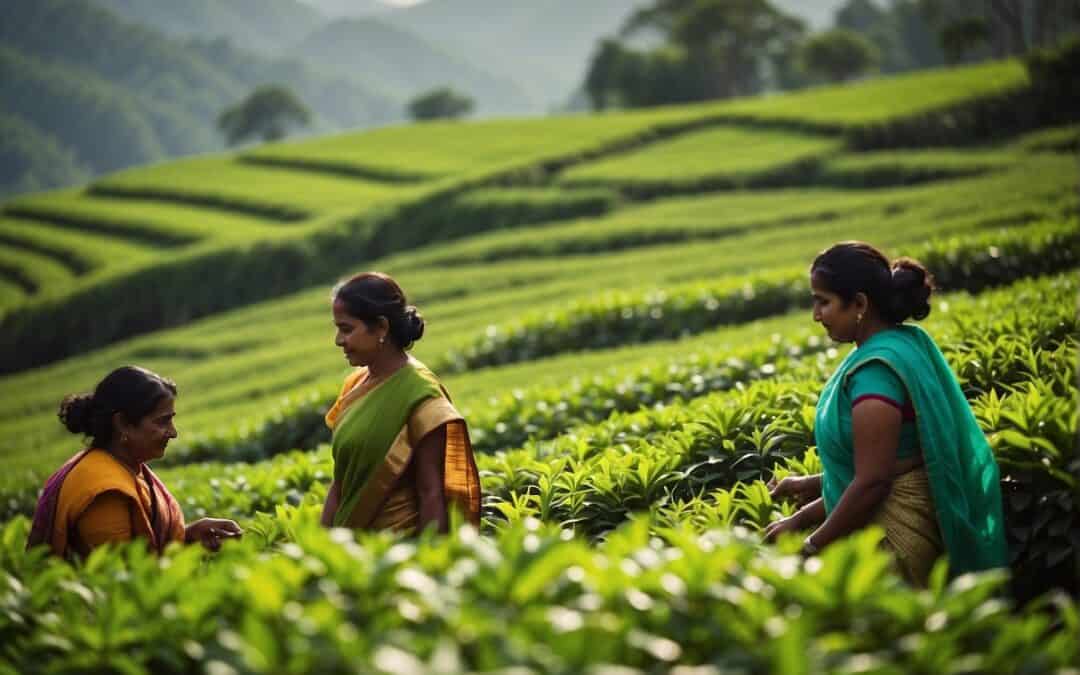
Cultural interactions are also part of the journey, as travellers often encounter the warm hospitality of tea-workers and learn about local customs. The landscape offers a scenic backdrop for photographers and nature enthusiasts, with mist-wrapped mountains and rows of green tea bushes stretching into the horizon.
Cultural Significance of Sri Lanka Tea
Tea is pivotal in Sri Lanka’s heritage and contributes significantly to its economy.
Sri Lankan Tea Tradition
Tea extends beyond mere consumption; it is deeply woven into the fabric of society. Sri Lankans traditionally serve tea to guests as a sign of hospitality, symbolizing warmth and welcome. Rituals and social gatherings are often incomplete without tea, making it a ubiquitous aspect of daily life. Sri Lanka Tea ceremonies, although not as elaborate as those in some other cultures, still hold a place in the social etiquette of Sri Lankans.
Tea Tourism and Economy
Tea Tourism has emerged as a strong economic driver for Sri Lanka. Visitors are often drawn to the picturesque tea plantations, where they can witness the tea-making process from leaf to cup. The tea sector also employs a significant portion of the population, both in plantations and in associated industries such as tea processing and packaging.
Economic Impact: Tea exports are one of the country’s top sources of foreign exchange, making this sector crucial for Sri Lanka’s economy.
Employment: The tea industry sustains numerous families, with plantations heavily reliant on the skilled labour of tea pluckers.
GDP Contribution: Tea production and exports account for a substantial share of the nation’s GDP, showcasing its economic relevance.
Sri Lanka Tea Production Process
The tea production process in Sri Lanka is a meticulous journey that transforms the fresh leaves plucked from the verdant plantations into the world-renowned Ceylon tea. It involves specific techniques and careful handling at each stage to maintain quality and flavour.
Tea Plucking: The Art and Technique
Tea plucking is the initial, crucial stage where only the top two leaves and a bud, known as the “flush,” are handpicked by experienced workers. This selective harvesting ensures only the best quality leaves are used for production, and it typically follows a cycle of 7 to 14 days, depending on the growth rate.
Withering and Oxidation: Crafting the Flavor
After plucking, leaves are spread out on troughs and subjected to controlled airflow to reduce moisture content. Withering is critical as it makes the leaves pliable for further processing. Subsequently, the withered leaves undergo oxidation, rolling, and are exposed to air, developing the tea’s distinct colour and complex flavours.
Degree of Oxidation:
Green Tea: Minimal oxidation
Oolong Tea: Partial oxidation
Black Tea: Full oxidation
Drying, Sorting, and Packaging: Final Steps
Finally, the oxidized leaves are dried using industrial heaters to halt oxidation and lock in flavour. The resultant tea is then sorted into different grades using sieves and sorted based on leaf size. The highest grades are often whole leaves, whereas lower grades include broken leaves and fannings. Packaging is the last step, where tea is sealed in airtight containers to preserve its freshness until it reaches consumers.
Sustainable Practices in Sri Lanka Tea Production
In Sri Lanka, tea producers increasingly adopt sustainable practices that mitigate environmental impact and support local communities.
Environmental Initiatives
Rainwater Harvesting: Many tea estates install systems to collect rainwater, reducing their reliance on natural water bodies and ensuring a sustainable water supply during dry seasons.
Bio-Fertilizers: Chemical fertilizers are being replaced by organic alternatives. Estates now frequently deploy compost and other bio-fertilizers, enhancing soil health without chemical runoff.
Community Welfare and Fair Trade
Supporting Education: Tea producers often allocate funds to build and sustain schools, ensuring access to education for their workers’ children.
Fair Trade Certification: A growing number of estates achieve fair trade certification, which mandates fair wages and working conditions. This exemplifies their commitment to the welfare of the workforce.
Enjoying Sri Lanka Tea
Sri Lanka offers a distinctive tea experience that elevates drinking tea into an art form, incorporating local traditions and flavours.
Brewing Techniques
In Sri Lanka, brewing tea is considered a ritual that honours the tea’s quality. The preferred method involves using fresh, cold water heated to a rolling boil. For black tea, the water temperature should be around 90-95°C (194-203°F). The steeping time is crucial; typically, Ceylon black tea should steep for about 3-5 minutes, depending on the desired strength. The correct technique ensures the tea’s robust flavour and aromatic qualities are fully expressed.
Water Temperature: 90-95°C (194-203°F)
Steeping Time: 3-5 minutes
Pairing Tea with Local Cuisine
Sri Lankan tea pairs exquisitely with the country’s rich and flavorful cuisine. Black teas, often bold and tannic, complement spicy dishes well. They counterbalance the heat and complexity of spices such as cinnamon, cardamom, and cloves, which are prominent in local dishes.
For a harmonious pairing, consider the following combinations:
Mild Ceylon Tea with milk rice (Kiribath) and jaggery for a soothing breakfast.
Strong Black Tea paired with spicy curry to cleanse the palate.
These pairings highlight the interplay between the tea’s boldness and the subtlety of Sri Lankan dishes, enhancing the overall gastronomic experience.
Conservation Efforts
Sri Lanka’s tea trails are integral to the nation’s heritage and ecology. Conservation efforts focus on protecting the unique biodiversity and ensuring sustainable, eco-friendly tourism practices.
Protecting Biodiversity
The vibrant ecosystem within Sri Lankan tea plantations is crucial for maintaining the ecological balance. Conservation projects aim to preserve these environments through various initiatives:
Habitat Conservation: Establishing protected areas within plantations to safeguard native species.
Agricultural Practices: Adopt organic farming and reduce the use of pesticides to minimize environmental impact.
Eco-friendly Tourism
Sustainable tourism development on the tea trails is pivotal in promoting conservation. The strategies implemented include:
Waste Management: Proper disposal and recycling processes are in place to maintain the cleanliness of the environment.
Energy Efficiency: Encouraging the use of renewable energy sources to power facilities, thereby reducing the carbon footprint.
Visiting Tea Estates
Exploring Sri Lanka’s tea estates offers an immersive experience into the world of Ceylon tea. Visitors can expect to find a variety of estates that cater to tourists with comprehensive services, including educational tours and exquisite tea-tasting sessions.
Estate Selection and Visitor Facilities
When selecting an estate to visit, travellers should consider the location and the amenities offered. Renowned estates like Pedro Estate in Nuwara Eliya and Labookellie Estate in the central highlands are recognized for their picturesque landscapes and visitor-friendly amenities. Facilities often include:
Visitor Centers: Providing historical context and educational displays.
Gift Shops: These are where guests can purchase estate-produced teas and souvenirs.
Accommodation: Some estates offer bungalows or guesthouses for overnight stays.
Guided Tours and Sri Lanka Tea Tasting Experiences
Guided tours play a pivotal role in the visitor experience, with knowledgeable guides explaining the tea production process from leaf plucking to final packaging. Such tours typically culminate in a tea-tasting session, where guests can savour different varieties of estate tea. Here are the key aspects:
Tour Duration: Ranges from 1 to 2 hours, varying by estate.
Demonstrations: Hands-on experience in tea picking and processing.
Tasting Sessions: Guided samplings of black, green, white, and oolong teas.
Expert Insight: Guides offer flavour notes, cultivation, and history details.
Travel Tips and Recommendations
When planning a visit to the Tea Trails of Sri Lanka, travellers should consider the following tips to enhance their experience:
Best Time to Visit: The ideal period for tea trail exploration is from January to April and mid-July to September. These months offer the most temperate climate, which is optimal for hiking and plantation tours.
What to Wear: Comfort is key, so lightweight, breathable clothing is recommended. Sturdy footwear is also recommended for walks in the plantations. A hat and sunglasses are also advisable for sun protection.
Health Precautions: Carry insect repellent to deter mosquitoes and ticks. It’s also prudent to have sunblock and to stay hydrated, especially while trekking.
Accommodations: For an authentic experience, stay at one of the colonial bungalows or guesthouses close to the plantations. Booking in advance is highly recommended.
Cultural Sensitivity: When visiting the plantations, greeting workers and asking permission before taking photographs is respectful.
Here’s a summary table for quick reference:
Aspect
Recommendation
Best Time to Visit
Jan-Apr, mid-Jul to Sep
Clothing
Lightweight, breathable, sturdy footwear, hat, sunglasses
Health Precautions
Insect repellent, sunblock, water
Accommodations
Book colonial bungalows/guesthouses in advance
Cultural Sensitivity
Greet workers, ask for photo permission
Partaking in a guided tour can provide a more comprehensive understanding of the tea-making process and local history. Engaging with a knowledgeable guide enriches the journey, ensuring visitors fully appreciate the art of Ceylon tea-making.
Photography and Documentation
Photography is a vital tool for documenting the tea trails of Sri Lanka. Visitors often come prepared with cameras, smartphones, and other devices to capture the mist-wrapped hills and vibrant greenery that define the region. Documentation takes various forms, from amateur snapshots to professional landscape photography.
Amateur Photographers:
Objective: To capture and share personal experiences.
Equipment: Smartphones, compact cameras.
Professional Photographers:
Objective: To obtain high-quality images for commercial use, travel blogs, or exhibits.
Equipment: DSLR cameras, tripods, and drones.
Ethical Considerations: Photographers must respect local workers’ and inhabitants’ privacy and traditions. They should always seek permission before taking photos of individuals, especially in rural communities where cultural sensitivities may be more pronounced.
Weather Implications: The area’s foggy conditions can challenge photographers. They should be prepared for sudden weather shifts that can offer dramatic lighting conditions and restrict visibility.
Best Practices:
Golden Hour: Capturing the landscape during early morning or late afternoon when the light is soft and golden.
Rule of Thirds: Composing photographs with subjects positioned along imaginary lines that divide the image into thirds, both horizontally and vertically.
Photography in the Tea Trails is not only about the aesthetic appeal but also about storytelling. Images can illustrate the intricate process of tea picking, the journey from leaf to cup, and the socioeconomic impact of tea production on the local communities.
Conclusion
Sri Lanka’s tea trails are an immersive experience for visitors. They offer a glimpse into the rich tapestry of tea production, from cultivation to cup. Tourists often find these trails educational and reflective of Sri Lanka’s cultural heritage.
The trails wind through various altitudes, showcasing diverse ecosystems and tea varieties. Travellers can witness the meticulous process of plucking tea leaves and the careful art of tea-making. Participating in these activities heightens appreciation for the revered beverage.
Here are key takeaways from exploring Sri Lanka’s tea trails:
Heritage: The trails are steeped in the history of Ceylon tea.
Scenery: The plantations provide breathtaking landscapes, with lush greenery and cool climes.
Cultural Exchange: Visitors can interact with local tea pickers and factory workers.
Visitors leave with a richer understanding of Sri Lankan tea and the complexities involved in its production. This journey through the heart of Sri Lanka’s tea country is an educational and enriching experience that leaves a lasting impression.
Frequently Asked Questions: Sri Lanka Tea
Understanding the intricacies of the Tea Trails and the luxurious stays within can enhance the overall experience of your Sri Lankan adventure.
What are the unique features of the Ceylon Tea Trails experience?
The Ceylon Tea Trails experience is distinguished by its immersive offerings, including guided tours of tea plantations and the opportunity to learn about tea picking and processing. Guests can indulge in gourmet dining with tea-infused dishes, set against rolling green hills and tranquil trails.
How do the accommodations differ among the various bungalows within the Ceylon Tea Trails?
Each bungalow within the Ceylon Tea Trails boasts unique characteristics, ranging from colonial-era decor to modern amenities. They vary in size, view, and historical backgrounds, but all maintain a high standard of luxury, offering private gardens, butler service, and a sense of exclusivity.
What are some of the best tea plantation hotels in Sri Lanka?
Top tea plantation hotels in Sri Lanka include Heritance Tea Factory, Madulkelle Tea and Eco Lodge, and the Ceylon Tea Trails. These establishments blend luxury and local culture, providing spectacular views and direct engagement with the tea-making process.
Can you provide a price range for staying at Ceylon Tea Trails?
Prices for staying at Ceylon Tea Trails can vary widely depending on the season, type of accommodation, and length of stay, generally ranging from approximately $500 to over $1,000 per night. Inclusions such as all-inclusive dining and activities also influence the cost.
What is the historical significance of Sri Lanka’s tea plantations?
Sri Lanka’s tea plantations are historically significant. Established during the British colonial era, they transformed the country into one of the world’s leading tea exporters. The plantations are a testament to Sri Lanka’s cultural and economic transformation in the 19th and 20th centuries.
Which tea plantation in Sri Lanka is considered the most renowned, and for what reasons?
The Pedro Tea Estate in Nuwara Eliya is one of the most renowned tea plantations in Sri Lanka due to its high-quality tea production and picturesque landscapes. Its high elevation, favourable climate, and rich history contribute to its prestige and the exceptional quality of tea it produces.