Mattala Rajapaksa International Airport (HRI) is Sri Lanka’s third international airport. It opened in 2013 to ease congestion at Bandaranaike International Airport and boost tourism in the country’s southern region.
Located in Hambantota District, HRI is also known as MRIA.
The airport has a single runway that can handle large aircraft like the Airbus A380. Its passenger terminal can process one million travelers per year.
HRI offers duty-free shopping, dining options, and other amenities for visitors.
Despite its modern facilities, HRI has faced low passenger numbers since opening. The Sri Lankan government has tried various plans to increase traffic at the airport. These include offering incentives to airlines and promoting nearby tourist sites.
History and Development
Mattala Rajapaksa International Airport (HRI) has a short but significant history. Its development was part of Sri Lanka’s plan to boost tourism and trade in the southern region. The airport’s story involves big dreams, financial challenges, and geopolitical interests.
Construction and Inauguration
HRI was built in southeast Sri Lanka near Hambantota. Construction began in 2009 and cost about $210 million. The project was funded mostly by Chinese loans.
The airport opened on March 18, 2013. It was named after then-president Mahinda Rajapaksa. The government hoped it would become Sri Lanka’s second international hub.
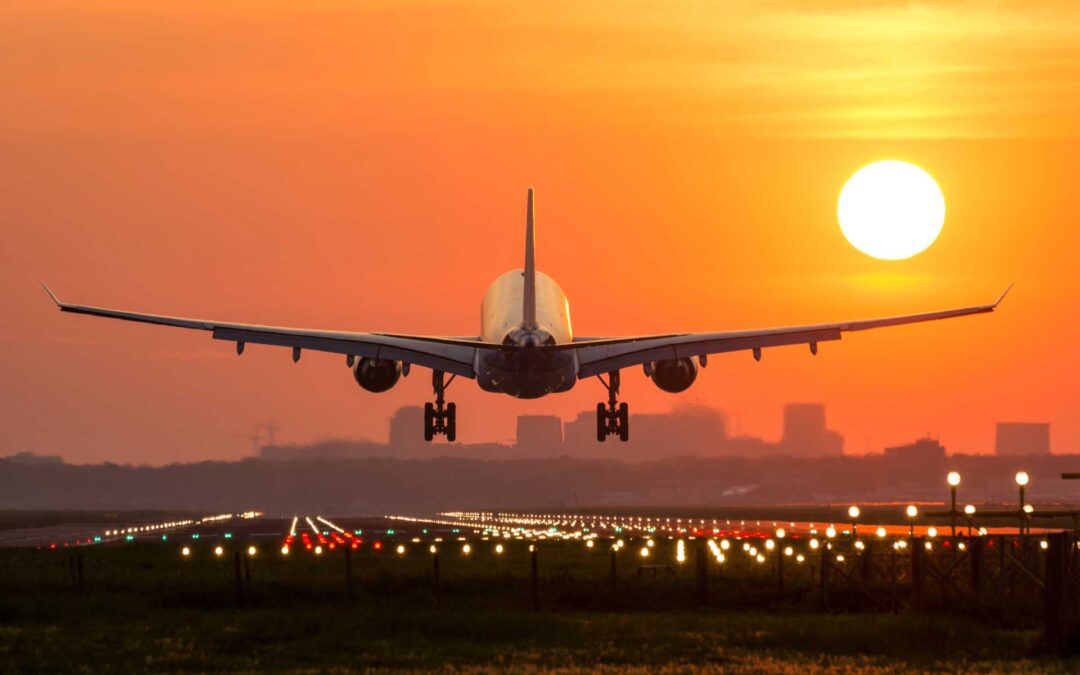
HRI has a 3,500-meter runway that can handle large aircraft. It also has modern passenger terminals and cargo facilities.
Partnerships and Expansion
Despite high hopes, HRI struggled to attract airlines and passengers. In 2016, it was called the world’s emptiest international airport.
To boost use, Sri Lanka looked for partners. In 2017, talks began with India about leasing the airport. This move was seen as a way to balance China’s influence in the region.
Plans were made to use HRI for aircraft parking, flying schools, and maintenance. These ideas aimed to make the airport more useful and profitable.
Strategic Importance
HRI’s location gives it strategic value. It’s close to major shipping lanes in the Indian Ocean. This makes it important for both commercial and military purposes.
China’s involvement in HRI and the nearby Hambantota port raised concerns. Some saw it as part of China’s “String of Pearls” strategy in the Indian Ocean.
India’s interest in leasing HRI was partly to limit China’s access to this strategic spot. This shows how the airport became a focus of regional geopolitics.
Location and Access
Mattala Rajapaksa International Airport sits in a strategic spot in southern Sri Lanka. It connects to major cities through various transport options.
Geographic Position
The airport is located in the town of Mattala, 18 km from Hambantota. This puts it in Sri Lanka’s Southern Province, a key area for tourism and development. The region is known for its beautiful beaches and wildlife reserves.
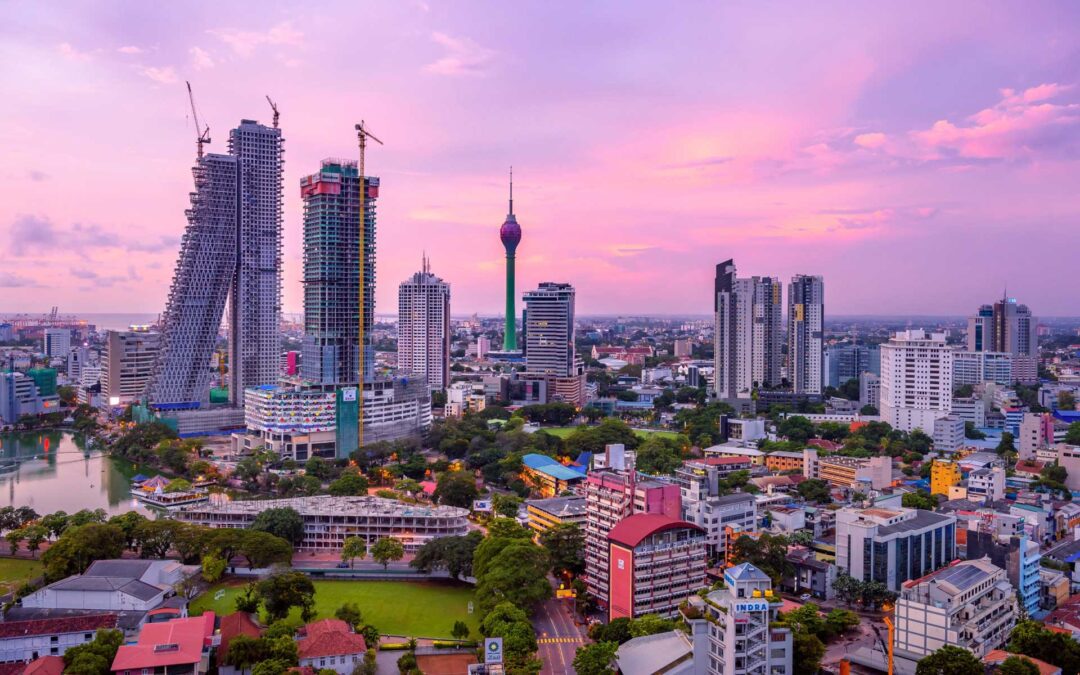
Mattala’s location offers easy access to popular coastal destinations. It’s about 250 km southeast of Colombo, Sri Lanka’s largest city and commercial hub.
Transport Links
Getting to and from the airport is possible through several means. Taxis and private car services are readily available for direct trips to Hambantota and other nearby towns.
For budget travelers, public buses connect the airport to Hambantota and other regional centers. These run regularly but may take longer than private transport.
Car rental services are available at the airport for those who prefer to drive. This option gives visitors more freedom to explore the Southern Province at their own pace.
The airport’s location also allows for future growth of transport links. This includes better roads and possible train connections to major cities like Colombo.
Terminal Facilities: Mattala Rajapaksa International Airport HRI
Mattala Rajapaksa International Airport offers modern amenities to enhance passenger comfort and convenience. The terminal provides essential services for travelers, including check-in areas, lounges, dining options, and retail shops.
Check-In and Waiting Areas
The airport’s check-in facility is spacious and well-organized. Passengers can find multiple check-in counters, reducing wait times during peak hours. Self-service kiosks are available for those who prefer a quicker process.
The waiting areas feature comfortable seating and large windows that provide natural light and views of the airfield.
Free Wi-Fi is accessible throughout the terminal, allowing travelers to stay connected. Charging stations are conveniently placed in various locations. The airport also has ATMs for easy cash withdrawals.
Lounges and VIP Services
HRI Airport offers exclusive lounges for premium passengers and frequent flyers. These lounges provide a peaceful environment away from the main terminal bustle.
Amenities typically include comfortable seating, complimentary refreshments, and business facilities like workstations and meeting rooms.
VIP services are available for passengers seeking extra comfort and privacy. These may include personalized assistance, fast-track security clearance, and private transfer to aircraft.
Dining and Shopping
The airport houses several dining options to cater to different tastes and preferences. Travelers can find cafes serving quick bites and beverages, as well as restaurants offering more substantial meals. Local Sri Lankan cuisine is featured alongside international options.
For shopping enthusiasts, HRI Airport provides duty-free stores and retail outlets. Passengers can browse through a selection of local souvenirs, electronics, fashion items, and travel essentials.
The shopping area is designed for easy navigation, allowing travelers to make last-minute purchases before their flights.
Airport Operations: Mattala Rajapaksa International Airport HRI
Mattala Rajapaksa International Airport faces challenges with low passenger traffic and limited flight options. The airport aims to improve its operations and attract more airlines.
Airlines and Destinations
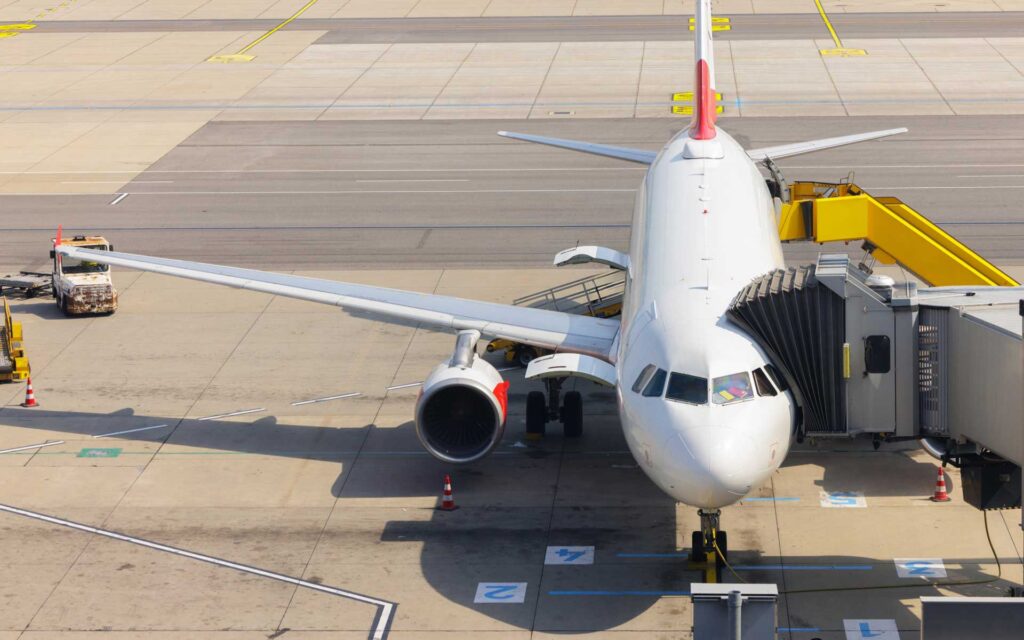
SriLankan Airlines previously operated hub services at Mattala, using Airbus A330 aircraft. Currently, the airport sees very few commercial flights.
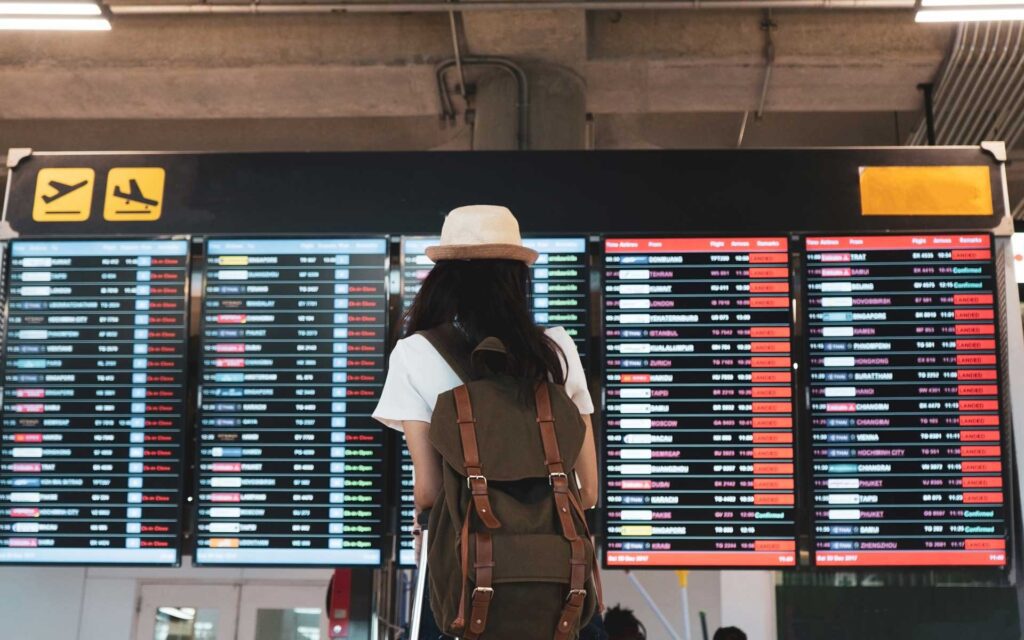
The airport struggles to attract major carriers due to low demand. Most travelers prefer using Colombo’s main airport instead.
HRI has the capacity to handle large aircraft like the Airbus A380. This allows for potential long-haul routes in the future if demand increases.
Cargo and Logistics
Cargo operations at Mattala Rajapaksa International Airport remain limited. The airport has modern facilities for handling freight, but usage is low.
There is potential for growth in air cargo, especially for perishable goods from the region. The airport’s location could serve export industries in southern Sri Lanka.
Efforts are being made to attract logistics companies and develop the airport as a cargo hub. This could boost economic activity in the surrounding area.
Safety and Security
HRI maintains high safety standards despite low traffic. The airport has modern security equipment and follows international protocols.
Air traffic control services are provided to ensure safe takeoffs, landings, and ground movements. The airport’s single runway is equipped for both visual and instrument approaches.
Fire and rescue services are available 24/7 to respond to any emergencies. The airport also has medical facilities on-site for passenger and staff safety.
Fuel storage and handling follow strict safety rules. These rules help prevent accidents and ensure aircraft get quality fuel for their flights.
Amenities and Services: Mattala Rajapaksa International Airport HRI
Mattala Rajapaksa International Airport offers key amenities to meet travelers’ needs. These include medical support and financial services for passengers.
Medical Facilities
The airport has a Medical Centre to handle health issues. It’s staffed by trained professionals ready to help with minor injuries or illnesses. The center is open during airport hours.
Emergency equipment is on hand for more serious cases. Ambulances can take patients to nearby hospitals if needed.
Travelers with special medical needs can contact the center before their flight. This helps staff prepare any required assistance.
Banking and Currency Exchange
ATMs are available in the terminal for cash withdrawals. They support major international cards.
Currency exchange counters help travelers get Sri Lankan rupees. These desks offer competitive rates for many foreign currencies.
Banking hours may vary, but some services are open for most flights. It’s best to check current hours before travel.
Credit cards are widely accepted at airport shops and restaurants. This gives travelers flexible payment options.
Traveler Information: Mattala Rajapaksa International Airport HRI
Mattala Rajapaksa International Airport offers key services for travelers. The airport helps with visas, provides local time details, and connects visitors to nearby attractions.
Visa and Immigration
Sri Lanka requires most foreign visitors to obtain a visa before entry. Travelers can apply for an Electronic Travel Authorization (ETA) online. This process is quick and easy. The ETA is valid for 30 days from the date of arrival.
Some nationalities may get a visa on arrival. It’s best to check current rules before travel.
The airport has immigration counters to process visas and entry stamps. Staff can help with any visa questions.
Passport control at HRI is usually quick. Lines are often shorter than at busier airports.
Time Zone and Elevation
Mattala Rajapaksa International Airport operates in Sri Lanka Standard Time (UTC+5:30). This time zone doesn’t change for daylight saving.
The airport sits at an elevation of about 48 meters (157 feet) above sea level. The low elevation means minimal impact on air pressure for most travelers.
Here’s a quick reference:
Time Zone: UTC+5:30
Elevation: 48 meters (157 feet)
Local Tourism
HRI serves as a gateway to southern Sri Lanka’s attractions. Yala National Park, famous for leopards and elephants, is nearby. The historic city of Galle, with its Dutch fort, is a 2-hour drive.
Beaches like Tangalle offer pristine coastlines. Whale watching trips leave from Mirissa, about 90 minutes away.
The area also boasts the Mahinda Rajapaksa International Cricket Stadium. This modern venue hosts international matches and is a draw for cricket fans.
Local tour operators have desks at the airport. They can arrange trips and transport to these sites.
Parking and Car Rentals
Mattala Rajapaksa International Airport (HRI) offers convenient parking options for travelers. The airport has 400 parking spaces located next to the terminal building.
These spaces accommodate both short-term and long-term parking needs. The parking area’s proximity to the terminal makes it easy for passengers to access their vehicles quickly after arrival.
For those who want to rent a car, HRI has many options. Car rental services are available at the airport. They offer a variety of vehicles for different needs and budgets.
However, tourists should know that car rentals are available. Still, self-drive options are not recommended for tourists in Sri Lanka. This is due to challenging road conditions and local driving customs that may be unfamiliar to visitors.
Travelers planning to rent a car should ensure they have a valid driver’s license. In some cases, you may need an International Driving Permit if your license is not in the local language.
Comparative Analysis
Mattala Rajapaksa International Airport (HRI) differs from other Sri Lankan airports in key ways. Its size, location, and passenger traffic set it apart from more established facilities.
Bandaranaike serves as Sri Lanka’s main international gateway, handling over 10 million passengers yearly. In contrast, MRIA’s passenger numbers are far lower. It sees an average of just 7 passengers per day. This stark difference highlights MRIA’s struggle to attract flights and travelers.
Location also sets them apart. Bandaranaike is near Colombo, Sri Lanka’s largest city. On the other hand, MRIA sits in the less populated southern region. This affects their accessibility and appeal to airlines.
MRIA vs Ratmalana Airport
Ratmalana Airport, near Colombo, mainly serves domestic flights. Meanwhile, MRIA was built as an international facility, despite low demand.
Ratmalana’s domestic focus gives it a clearer purpose than MRIA. Additionally, MRIA cost $209 million to build. Its large size and modern facilities outstrip Ratmalana’s. Yet MRIA’s low usage means these advanced features see little action.
Ratmalana benefits from its proximity to Colombo. On the other hand, MRIA’s remote location makes it less convenient for most travelers. This impacts their roles in Sri Lanka’s air transport network.
Frequently Asked Questions
Mattala Rajapaksa International Airport (HRI) serves travelers in southern Sri Lanka. Here are key details about flight schedules, location, procedures, and operations at this airport.
How can I find the latest flight schedule for Mattala Rajapaksa International Airport?
The airport’s official website provides up-to-date flight schedules. Airlines operating at HRI also list their flight times on their websites and mobile apps.
Where exactly is Mattala Rajapaksa International Airport located?
What are the current departure procedures at Mattala Rajapaksa International Airport?
Passengers should arrive at least 2 hours before domestic flights and 3 hours before international flights. Check-in and security screening procedures are standard for a Sri Lankan international airport.
Is there a real-time arrivals board available for Mattala Rajapaksa International Airport?
Yes, real-time flight information is available on the airport’s website and on screens throughout the terminal building. This includes updated arrival times and gate numbers.
Which airlines operate flights to and from Mattala Rajapaksa International Airport?
Where can I find the latest news and updates about Mattala Rajapaksa International Airport?
The official airport website and social media channels provide the most current information. Local Sri Lankan news outlets also cover major developments at the airport.
Bandaranaike Airport (Bandaranaike International Airport) serves as the main gateway to Sri Lanka. Located about 20 miles north of Colombo, it welcomes millions of visitors each year. The airport is named after former Prime Minister S.W.R.D. Bandaranaike.
Bandaranaike International Airport handles over 10 million passengers annually, making it Sri Lanka’s busiest airport. It offers flights to many cities across Asia, the Middle East, and Europe. The airport has one main passenger terminal with duty-free shops, restaurants, and lounges.
Travelers can reach Colombo from the airport by taxi, bus, or train. The airport provides a good first impression of Sri Lanka with displays showcasing the country’s culture and biodiversity. It serves as an important hub for the nation’s tourism and trade.
History and Background
Bandaranaike International Airport has a rich history tied to Sri Lanka’s development. It grew from military origins to become the country’s main international gateway, reflecting changes in aviation and politics.
Evolution of Bandaranaike International Airport
The airport started as RAF Negombo, a Royal Air Force base, in 1944 during World War II. Several RAF squadrons used the airfield in the 1940s and early 1950s.
In 1957, Prime Minister S.W.R.D. Bandaranaike removed British military airfields from Ceylon. The base was then handed over to the government.
Civilian operations began, marking a new chapter for the airport. It was renamed Katunayake Airport and later Bandaranaike International Airport.
Significance of the Airport Code ‘CMB’
The airport’s IATA code is CMB. This code stands for Colombo, the nearby capital city of Sri Lanka.
CMB helps travelers and airlines identify the airport easily. It appears on luggage tags, flight information displays, and booking systems worldwide.
The code reflects the airport’s role as the main gateway to Colombo and Sri Lanka. It connects the island nation to global air travel networks.
Independence in 1948 and Aviation Growth
Sri Lanka gained independence in 1948, sparking growth in many sectors, including aviation. The new nation needed better air links to the world.
The government invested in expanding and upgrading the former military airfield. This move supported the growing tourism industry and international trade.
As Sri Lanka’s economy opened up, the airport became crucial for connecting the island to global markets. It helped bring in foreign visitors and send local products abroad.
Airport Infrastructure
Bandaranaike International Airport boasts modern facilities to handle growing passenger and cargo traffic. Its terminals, runways, and cargo areas work together to keep operations running smoothly.
Terminals Overview
Bandaranaike International Airport has three passenger terminals. Terminal 1 is the main international terminal, built in 1967. It handles most international flights and passengers.
Terminal 2 is a new addition currently under construction. Once complete, it will increase the airport’s capacity significantly. The new terminal building will cover about 180,000 square meters.
Terminal 3 serves domestic flights. It’s smaller than the international terminals but meets the needs of local air travel.
Runway and Air Traffic Control
The airport has a single runway, capable of handling large aircraft like the Airbus A380. The runway is 3,350 meters long and 45 meters wide.
Air traffic control uses modern technology to manage takeoffs and landings safely. The control tower oversees all aircraft movements on the ground and in the air near the airport.
Weather monitoring equipment helps controllers and pilots make safe decisions in changing conditions.
Cargo Terminal Facilities
Bandaranaike International Airport has a dedicated cargo terminal. This area handles freight separately from passenger operations.
The cargo facilities include storage areas for different types of goods. There are cold storage units for perishables and secure areas for valuable items.
Loading and unloading equipment helps move cargo efficiently between planes and trucks. The cargo terminal connects directly to the airport’s runway for quick transport.
Transport and Accessibility
Bandaranaike International Airport offers various transportation options for travelers. The airport is well-connected to nearby cities and provides convenient services for arrivals and departures.
Parking and Vehicle Services
The airport has ample parking facilities for both short-term and long-term stays. Short-term parking is available near the terminal building for quick pick-ups and drop-offs. Long-term parking lots are located a short distance away, with shuttle services to the terminal.
For those needing vehicle assistance, the airport offers car wash services and basic maintenance. Valet parking is also available for added convenience.
Public Transit Options
Public transportation to and from the airport is readily available. Bus services connect the airport to Colombo and other nearby cities. The Colombo Express Bus runs every 30 minutes. It operates from 5:30 AM to 8:30 PM. The bus stops at important places like Central Bus Station and Colombo Fort Station.
A new luxury shuttle service has been introduced to enhance passenger comfort. This premium option provides a more upscale travel experience for those willing to pay extra.
Car Rentals and Ride-Sharing Services
Car rental services are available at the airport, offering a range of vehicles to suit different needs and budgets. Major international car rental companies have desks in the arrival area.
Ride-sharing services like Uber operate at Bandaranaike International Airport. Passengers can easily request rides using smartphone apps. Designated pick-up areas are clearly marked outside the terminal building.
Taxis are also readily available, with both metered and fixed-rate options. It’s a good idea to agree on the fare before starting your trip. This is especially important for longer trips to Colombo or other places.
Arrivals and Departures
Bandaranaike International Airport handles flights from Asia, Europe, and the Middle East. Passengers can access real-time flight information and follow specific procedures when arriving or departing.
Flight Tracker and Timetable Information
Travelers can check flight arrivals and departures in real-time. The airport’s website displays up-to-date schedules for incoming and outgoing flights. This information includes flight numbers, airlines, and estimated arrival or departure times.
For a broader view, passengers can use online flight trackers. These tools show the current position of aircraft en route to or from Bandaranaike International Airport.
Many airlines also offer mobile apps. These apps send notifications about flight status changes directly to passengers’ phones.
Customs and Immigration Procedures
When arriving at Bandaranaike International Airport, passengers must go through customs and immigration. Travelers need to fill out arrival cards before reaching the immigration counter. Officers will check passports and visas.
After immigration, passengers collect their luggage and proceed to customs. Some items may need to be declared. Random bag checks can occur.
For departures, passengers should arrive at least three hours before their flight. They must check in, get boarding passes, and clear security. International travelers then pass through immigration before entering the departure lounge.
The airport provides step-by-step guidance for departure procedures on its official website. This helps passengers navigate the process smoothly.
Airlines and Destinations
Bandaranaike International Airport serves as Sri Lanka’s main aviation hub. It offers a wide range of flights to destinations across Asia, Europe, and the Middle East.
International Carriers and Routes
SriLankan Airlines is the national carrier and largest airline operating at Bandaranaike International Airport. It flies to many cities in Asia, Europe, and the Middle East. Other major airlines include Emirates, Qatar Airways, and Singapore Airlines.
Airlines like Aeroflot, Air Arabia, and Oman Air also offer regular services. In total, 31 airlines operate scheduled flights from Bandaranaike International Airport.
Domestic Flights and Regional Connections
Domestic air travel in Sri Lanka is limited but growing. Cinnamon Air, a domestic airline, operates flights from Bandaranaike International Airport to several destinations within Sri Lanka.
Key domestic routes include:
Sigiriya
Batticaloa
Trincomalee
Jaffna
Regional connections are strong, with frequent flights to nearby countries. India is a major destination, with multiple daily flights to cities like Chennai, Mumbai, and Delhi.
The airport serves as an important link between South Asia and other regions. It offers convenient connections for travelers heading to the Maldives and other Indian Ocean destinations.
Airport Services and Amenities
Bandaranaike International Airport offers a range of services and facilities to meet traveler needs. These include shopping, dining, lounges, and various convenience amenities to enhance the airport experience.
Duty-Free Shopping and Dining Options
The airport features extensive duty-free shopping with a variety of stores. Passengers can buy local souvenirs, international brands, electronics, and more. Popular items include Sri Lankan tea, spices, and gemstones.
For dining, the airport has several food and beverage outlets. These range from quick snack kiosks to sit-down restaurants. Travelers can sample local Sri Lankan cuisine or opt for familiar international fast-food chains.
Lounges and Business Services
Bandaranaike Airport has multiple lounges for passenger comfort. The Araliya Lounge and Executive Lounge provide relaxation areas, refreshments, and business facilities.
Lounges typically offer:
Comfortable seating
Complimentary food and drinks
Wi-Fi access
Television and reading materials
Shower facilities
Business travelers can find workspaces and meeting rooms in some lounges.
Passenger Convenience Facilities
The airport provides various amenities for traveler convenience:
Free Wi-Fi throughout the terminal
Currency exchange counters
ATMs for cash withdrawals
A pharmacy for medical needs
A post office for mailing services
Shower facilities are available for freshening up between flights. The airport also has prayer rooms for religious observance.
For families, there are child care rooms to assist with infant needs. Information desks help passengers with queries and directions.
Passenger Information
Bandaranaike International Airport offers essential services for travelers. Passengers can find guidance on check-in procedures, security protocols, and accessibility options to ensure a smooth journey.
Flight Preparation and Check-In Guidelines
Travelers should arrive at Bandaranaike International Airport at least 3 hours before their flight. Check-in counters open 4 hours prior to departure.
Passengers need to bring a valid passport and visa if required.
Online check-in is available for many airlines. This option saves time at the airport.
Baggage allowances vary by airline and ticket class. Travelers should check their airline’s website for specific rules.
Security staff are trained to handle various situations. Travelers should follow all instructions given by airport personnel.
Special Assistance and Accessibility
Bandaranaike International Airport provides services for passengers with special needs. Wheelchair assistance is available free of charge.
Travelers should request this service in advance through their airline.
The airport has accessible restrooms and elevators. Special lanes at security checkpoints help passengers with reduced mobility.
Guide dogs for visually impaired travelers are allowed in the terminal.
For elderly passengers or those traveling with young children, priority lanes are often available.
The airport staff can offer additional help if needed. Passengers requiring special assistance should inform their airline at least 48 hours before their flight.
Economic and Statistical Data
Bandaranaike International Airport plays a crucial role in Sri Lanka’s economy and transportation network. The airport’s passenger and cargo traffic, as well as its broader economic impact, reveal its importance to the region.
Annual Passenger and Cargo Traffic
Bandaranaike International Airport handles millions of passengers each year. In recent years, passenger volumes have fluctuated due to various factors.
The airport saw significant growth before 2020. However, global events caused a sharp decline in traffic.
Cargo traffic has remained more stable. The airport processes thousands of tons of goods annually, supporting Sri Lanka’s import and export industries.
Annual cargo statistics show the airport’s vital role in international trade. These figures help measure the country’s economic activity and global connections.
Airport’s Economic Impact on the Region
Bandaranaike International Airport is a major driver of Sri Lanka’s economy. It creates jobs directly through airport operations and indirectly in related industries.
The airport supports tourism, a key sector of Sri Lanka’s economy. It serves as the main entry point for international visitors.
Business travel through the airport facilitates trade and investment. This brings economic benefits to the entire country.
The airport’s economic impact extends beyond its immediate area. It influences economic activity throughout Sri Lanka.
Infrastructure developments at the airport can boost regional growth. They improve connectivity and attract more businesses to the area.
Cultural and Tourist Information
Sri Lanka offers rich cultural experiences and tourist attractions near Bandaranaike International Airport. Visitors can explore nearby beaches, temples, and historical sites within a short distance of the airport.
Attractions Near Bandaranaike International Airport
Negombo Beach is a popular spot close to the airport. Its golden sands and calm waters make it ideal for relaxation. The beach is lined with restaurants and hotels.
Colombo, the capital city, is about 32 kilometers from the airport. Here, tourists can visit Galle Face Green, a seaside promenade perfect for evening walks and street food.
Nearby, the Gangaramaya Temple showcases Buddhist architecture and artifacts.
Viharamahadevi Park, Colombo’s largest public park, offers green spaces and a giant Buddha statue. The National Museum houses ancient artifacts and art from Sri Lanka’s long history.
Tourist Advice and Travel Tips
Visitors should check visa requirements before their trip to Sri Lanka. Many nationalities can obtain a visa on arrival or apply online.
The journey from the airport to Colombo takes 40 minutes to 1 hour, depending on traffic.
Taxis and pre-booked transfers are readily available at the airport.
Sri Lanka’s weather is tropical. Tourists should pack light, breathable clothing and sun protection.
It’s advisable to carry mosquito repellent and drink bottled water.
Respect local customs when visiting religious sites. Remove shoes and cover shoulders and knees when entering temples.
Ask permission before photographing people or religious objects.
FAQs – Bandaranaike Airport
Bandaranaike International Airport serves as Sri Lanka’s main international gateway. Travelers often have questions about transportation, location, procedures, and facilities at the airport.
How do I get from Bandaranaike International Airport to Colombo city center?
Travelers can take a taxi, bus, or train from the airport to Colombo. Taxis are readily available outside the terminal and offer a direct route.
The Airport Express bus provides a more budget-friendly option. Trains run from the nearby Katunayake Airport station to Colombo Fort station.
What is the address of Bandaranaike International Airport?
What are the current arrival procedures at Bandaranaike International Airport?
Arrival procedures may change due to health and safety measures. Passengers should check with their airline or the airport website for the latest information. This includes required documents, health screenings, and quarantine rules.
How can I check the flight schedule for departures from Bandaranaike International Airport?
Passengers can check flight schedules on the official airport website. Many airlines also provide real-time flight information through their own websites and mobile apps.
How many terminals does Bandaranaike International Airport have?
Bandaranaike International Airport has two main passenger terminals. Terminal 1 handles international flights, while Terminal 2 is used for domestic operations.
What are the transportation options available at Bandaranaike International Airport?
The airport offers various transportation options. These include taxis, rental cars, airport buses, and shuttle services. Ride-sharing services may also be available.
Travelers can find transportation information desks in the arrival area for assistance.
Sri Lanka’s stunning coastline offers a beach for every taste. From golden sands to hidden coves, this tropical island boasts some of the most beautiful shores in Asia.
The best beaches in Sri Lanka are: Mirissa: Great for whale watching. Unawatuna: Perfect for family swimming. Arugam Bay: Ideal for surfing.
Sri Lanka’s beaches cater to all types of travelers.
Adventure enthusiasts can try water sports at Bentota.
Nature lovers can spot sea turtles nesting at Rekawa Beach.
The island’s diverse coastal landscapes provide endless options for beach getaways.
A Sri Lanka beach itinerary allows visitors to experience the country’s rich culture alongside its natural beauty.
Many beach towns offer nearby attractions like ancient temples, wildlife reserves, and tea plantations.
This mix of relaxation and adventure makes Sri Lanka a great tropical spot. It is perfect for those wanting more than just sun and sand.
Sri Lanka’s Coastal Charm: Best Beaches in Sri Lanka
Sri Lanka’s coastline offers diverse beaches and rich maritime heritage. The island’s special geography and climate create its coastal charm. The beaches are very important to both locals and visitors.
Geography and Climate
Sri Lanka boasts over 1,300 kilometers of coastline. The East Coast and West Coast experience different weather patterns due to monsoon seasons.
The East Coast shines from May to September. Popular spots include Arugam Bay, known for surfing. Trincomalee offers calm waters and coral reefs.
The West Coast thrives from November to April. Beaches like Unawatuna and Mirissa attract sun-seekers and whale watchers. Wijaya Beach in Unawatuna features white sand and clear waters.
Monsoons bring heavy rains to one coast while the other remains dry. This creates year-round beach options for travelers.
Cultural Significance
Sri Lanka’s beaches play a vital role in local life and tourism. Coastal communities rely on fishing and beach-related activities for their livelihoods.
Many beaches host religious festivals and ceremonies. Temples and shrines dot the coastline, blending spiritual practices with seaside beauty.
Tourism significantly impacts coastal areas.
Beach towns like Unawatuna and Mirissa have developed to cater to visitors, offering water sports, dining, and accommodation.
Conservation efforts aim to protect marine life and coral reefs. Some beaches serve as nesting grounds for sea turtles, adding to their ecological importance.
Top Beaches for Sunbathing and Relaxation
Sri Lanka boasts stunning beaches perfect for soaking up the sun and unwinding. Palm-fringed shores, soft white sand, and beautiful sunsets create ideal settings for relaxation.
Unawatuna Beach
Unawatuna Beach is a popular spot for sunbathers and beach lovers. Its crescent-shaped shoreline offers a picturesque setting with golden sands and clear waters.
Palm trees line the beach, providing natural shade. The calm waters make it great for swimming and floating. Beachfront hotels offer easy access to the shore.
Visitors can enjoy stunning sunsets from the beach or nearby restaurants.
Water sports are available for those seeking light activity. The area has a laid-back vibe, perfect for unwinding.
Mirissa Beach
Mirissa Beach is known for its pristine waters and vibrant marine life. The beach’s wide stretch of sand provides ample space for sunbathing and relaxation.
Coconut palm trees dot the shoreline, offering shady spots. The beach is less crowded than some others, allowing for a more peaceful experience. Luxury hotels nearby cater to those seeking high-end amenities.
Whale watching tours are popular here, but the beach itself is ideal for lazy days.
Visitors can watch fishermen on stilts or simply enjoy the sound of waves. The golden sand is perfect for long walks at sunrise or sunset.
Bentota Beach
Bentota Beach is a long stretch of golden sand, ideal for sunbathing and leisurely strolls. The beach is known for its cleanliness and well-maintained shoreline.
Luxury resorts line the beach, offering top-notch facilities for relaxation. Many hotels have beachfront access, allowing guests to step right onto the sand. Palm trees provide natural shade along the shore.
Water sports are available but don’t disturb the peaceful atmosphere. The beach is wide enough to find quiet spots away from others. Bentota’s calm waters are perfect for swimming and floating.
Tangalle Beach
Tangalle Beach offers a more secluded experience for those seeking true relaxation. Its long stretches of white sand beaches are less developed and quieter than other popular spots.
The area has several small, hidden coves perfect for private sunbathing. Luxury eco-resorts in the area provide high-end relaxation experiences. Palm trees and natural vegetation line much of the shore.
Tangalle is known for its beautiful sunsets over the Indian Ocean. The beach’s remoteness means fewer crowds and a more peaceful atmosphere. It’s an ideal spot for those wanting to escape and truly unwind.
Surfing and Water Sports: Best Beaches in Sri Lanka
Sri Lanka offers amazing beaches for surfing and water sports. The island’s coastline has spots for beginners and pros alike.
Arugam Bay
Arugam Bay is a top surf spot in Sri Lanka. It’s on the east coast and draws surfers from around the world. The main point break is best for skilled surfers. It works well from April to October.
There are also gentler waves for beginners. Many surf schools offer lessons here. The vibe is laid-back and fun.
Arugam Bay hosts international surf contests. After surfing, visitors can enjoy beach bars and seafood restaurants.
Hiriketiya
Hiriketiya is a small bay in southern Sri Lanka. It’s become popular with surfers in recent years. The horseshoe-shaped beach has waves for all levels.
Beginners can practice in the bay’s center. More skilled surfers head to the left-hand point break. Surf schools and camps are available for those wanting to learn.
The beach isn’t just for surfing. Visitors can try yoga, paddleboarding, and snorkeling too. Hiriketiya has a chilled-out feel with cute cafes and guesthouses.
Weligama
Weligama is great for learning to surf. Its long, sandy beach has small waves perfect for beginners. Many surf schools line the shore. They offer board rentals and lessons.
More skilled surfers can find bigger waves at nearby reefs. The best time to surf here is from November to April.
Weligama isn’t just about surfing. Visitors can try other water sports like kayaking and snorkeling. The town has a mix of local life and tourist amenities.
Kalpitiya Beach
Kalpitiya Beach is Sri Lanka’s top spot for kitesurfing and windsurfing. Strong winds blow across the lagoon, creating ideal conditions. The best time for these sports is from May to October.
Many kite schools offer lessons for all levels. Beginners can learn in the calm lagoon waters. Advanced riders can test their skills in the open sea.
Kalpitiya also has good waves for surfing. Dolphins often swim in the area, adding to the beach’s appeal. The area is less developed than other beach towns, giving it a peaceful vibe.
Wildlife and Marine Life Encounters
Sri Lanka offers amazing chances to see animals and sea creatures up close. Visitors can swim with turtles, spot leopards, and watch whales breach the ocean surface.
Pigeon Island National Park
Pigeon Island is a small island off Sri Lanka’s east coast. It’s known for its coral reefs and marine life. Snorkelers can see colorful fish and sea turtles swimming in the clear waters.
The park has two main coral reefs. These reefs are home to over 100 types of coral. Visitors might spot blacktip reef sharks, sea turtles, and many tropical fish species.
The best time to visit is from May to September. During these months, the water is calm and clear. This makes it perfect for snorkeling and diving.
Yala National Park
Yala National Park is famous for its leopards. It has one of the highest leopard densities in the world. Visitors can take jeep safaris to spot these elusive cats.
The park is also home to elephants, sloth bears, and crocodiles. Bird watchers can see over 200 bird species here.
The best time for wildlife viewing is during the dry season. This runs from February to July. Animals gather around water holes during this time, making them easier to spot.
Whale Watching in Mirissa
Mirissa is a top spot for whale watching in Sri Lanka. Visitors can see blue whales, the largest animals on Earth. Sperm whales and fin whales also frequent these waters.
The best time for whale watching is from November to April. During this period, the seas are calmer. This makes it easier to spot whales breaching and spouting.
Boat trips usually last about 3-4 hours. Dolphins often swim alongside the boats, adding to the excitement.
Turtle Watching in Hikkaduwa
Hikkaduwa is known for its sea turtles. Visitors can often see turtles swimming close to shore. Some even come onto the beach to lay eggs.
Five types of sea turtles visit Hikkaduwa’s shores. These include green turtles, hawksbill turtles, and leatherback turtles.
The best time to see turtles is early morning or late afternoon. Visitors can also visit the Sea Turtle Hatchery. Here, they can learn about turtle conservation efforts.
Dining and Cuisine
Sri Lanka’s beaches offer a feast for the senses with fresh seafood, laid-back cafes, and flavorful local dishes. Visitors can enjoy ocean views while savoring delicious meals that showcase the island’s culinary heritage.
Seafood Specialties
Sri Lanka’s coastal areas are known for their fresh seafood. Grilled fish, prawns, and lobster are popular choices at beachside restaurants. Many places let diners pick their seafood from daily catches.
Crab curry is a must-try dish. It’s often made with local spices and coconut milk. Seafood platters are great for sharing and sampling different ocean delicacies.
Some beaches have fish markets where you can buy fresh catches. Local cooks may prepare your purchase for a small fee.
Beachside Cafes
Relaxed cafes line many Sri Lankan beaches. They offer casual dining with ocean views. Most serve a mix of local and Western food.
Beach bars are perfect spots for sunset drinks. Many offer happy hour specials on cocktails and beers. Fresh fruit juices and coconut water are refreshing non-alcoholic options.
Some cafes host events like live music or movie nights. These add to the laid-back beach vibe.
Hoppers are bowl-shaped pancakes often eaten for breakfast or dinner. String hoppers are noodle-like and served with curry.
Kottu is a popular street food made with chopped roti, vegetables, and meat or eggs. It’s tasty and filling after a day at the beach.
Fresh tropical fruits like mangoes and pineapples are widely available. They’re perfect for a light beach snack.
Accommodation Choices
Sri Lanka offers diverse lodging options for beach-goers. Visitors can find places to stay that fit their budget and travel style, from luxurious resorts to simple hostels.
Eco-Lodges
Eco-lodges in Sri Lanka blend comfort with environmental care. These places use local materials and sustainable practices. Many sit near beaches, giving guests easy access to the sand and waves.
Luxury eco-lodges often have private beaches. They offer activities like nature walks and bird watching. Guests can enjoy fresh, local food and learn about Sri Lankan culture.
Some eco-lodges support nearby communities. They hire local staff and buy from area farmers. This helps the local economy and gives visitors a real taste of Sri Lanka.
Beach Resorts
Beach resorts in Sri Lanka cater to tourists seeking comfort and convenience. These properties often sit right on the shore, giving guests direct beach access.
Many resorts offer a range of amenities. These can include pools, spas, and multiple restaurants. Some have water sports equipment for guests to use.
Luxury beach resorts provide high-end services. Visitors can expect things like private butlers and gourmet dining. Some resorts organize local tours and cultural experiences for guests.
Family-friendly resorts often have kids’ clubs and child-safe swimming areas. This allows parents to relax while children stay entertained.
Backpacker Hostels
Backpacker hostels offer budget-friendly options for travelers. These places are common in popular beach towns like Unawatuna and Mirissa.
Hostels usually have shared dorms and some private rooms. Many provide common areas where guests can meet other travelers. Some hostels organize group activities like beach bonfires or surfing lessons.
Beach hostels often have basic amenities. These might include shared kitchens and free Wi-Fi. Some offer bike or scooter rentals to help guests explore the area.
Many hostels have helpful staff who can give local tips. They might suggest lesser-known beaches or good spots to eat local food.
Beach Safety and Conservation
Sri Lanka’s beaches are beautiful but need protection. Visitors can help keep them safe and clean. Knowing how to act in the water is also important.
Environmental Awareness
Sri Lanka’s beaches are home to many animals. Turtles nest on the sand. Coral reefs grow in the sea. These need our care.
Don’t pick up shells or coral. Leave them where they are. They’re part of the beach ecosystem.
Some beaches have coral reefs nearby. Don’t step on or touch the coral. It’s fragile and grows slowly. Use reef-safe sunscreen to protect the water.
Water Safety
Sri Lankan beaches can have strong currents. Pay attention to warning flags and signs. Red flags mean it’s not safe to swim.
Learn about rip currents before you go. If caught in one, don’t panic. Swim parallel to the shore to escape.
Some beaches have lifeguards. Swim near them when possible. They can help if there’s trouble.
Watch out for jellyfish and sea urchins. Wear water shoes to protect your feet.
Don’t swim alone or at night. It’s safer to go with others and in daylight.
Travel Planning
Planning a trip to Sri Lanka’s beaches takes some preparation. Knowing when to visit and what to include in your itinerary can make a big difference in your experience.
Best Time to Visit
The best time to visit Sri Lanka’s beaches depends on which coast you plan to explore.
From November to April, the southwest coast offers sunny weather and calm seas. This is perfect for beaches like Unawatuna and Hikkaduwa.
For the east coast, including Nilaveli Beach, May to September is ideal. During these months, the water is calm and clear, great for swimming and diving.
Avoid the monsoon seasons if possible. The southwest experiences heavy rains from May to July, while the northeast sees monsoons from October to January.
Itinerary Suggestions
A 10-day beach tour of Sri Lanka can cover both coasts.
Start in Colombo and head south to Unawatuna for 3 days of relaxation and water sports.
Next, travel east to Arugam Bay for 2 days of surfing. Then move north to Trincomalee for 3 days, exploring Nilaveli Beach and Pigeon Island.
End the trip with 2 days in Negombo, close to the airport. This itinerary balances relaxation with activities and covers diverse coastal landscapes.
For a shorter trip, focus on one coast. A 5-day southwest coast tour could include Bentota, Hikkaduwa, and Mirissa for whale watching.
Exploring Beyond the Beaches
Sri Lanka offers more than just beautiful beaches. Visitors can explore historic cities and embark on thrilling adventures in its natural wonders.
Cultural Trips to Galle and Kandy
Galle, a UNESCO World Heritage site, boasts a well-preserved Dutch fort. Visitors can walk along its ramparts and enjoy views of the Indian Ocean. Inside the fort, narrow streets are lined with colonial buildings, boutique shops, and cafes.
Kandy, the cultural capital of Sri Lanka, is home to the Temple of the Sacred Tooth Relic. This important Buddhist site attracts pilgrims from around the world. The city also offers the beautiful Peradeniya Botanical Gardens and traditional Kandyan dance performances.
Both cities provide a glimpse into Sri Lanka’s rich history and cultural heritage.
Adventure in Ella and Yala
Ella, a small town in the hill country, is a paradise for hikers and nature lovers. Visitors can climb Little Adam’s Peak for panoramic views or walk along the famous Nine Arch Bridge.
Yala National Park is Sri Lanka’s most popular wildlife reserve. It’s known for having the highest leopard density in the world. Visitors can take jeep safaris to spot elephants, crocodiles, and various bird species.
These destinations offer exciting outdoor activities and the chance to see Sri Lanka’s diverse landscapes and wildlife up close.
Frequently Asked Questions
Sri Lanka offers many beautiful beaches for different preferences. Some popular spots cater to couples, while others are great for swimming or sightseeing. The island’s coastline has diverse options from north to south.
What are the top-rated beaches in Sri Lanka for couples?
Unawatuna Beach is a romantic spot for couples. It has soft sand and clear turquoise waters. The beach offers a lively atmosphere with restaurants and bars nearby.
Mirissa Beach is another favorite for couples. It provides a mix of relaxation and activities. Visitors can enjoy sunbathing, whale watching, and beautiful sunsets.
Which beaches in Sri Lanka are recommended for excellent swimming conditions?
Nilaveli Beach near Trincomalee is excellent for swimming. It has calm, clear waters and a wide stretch of white sand.
Hikkaduwa Beach on the west coast also offers good swimming conditions. The beach is protected by a coral reef, creating calm waters close to shore.
Where are the best beaches located near Colombo, Sri Lanka?
Mount Lavinia Beach is one of the closest beaches to Colombo. It’s about 12 kilometers south of the city center. The beach offers golden sand and is popular for swimming and sunbathing.
Negombo Beach is another option near Colombo. It’s located about 35 kilometers north of the city. The beach is known for its long stretch of sand and water sports activities.
Can you identify the beach in Sri Lanka renowned for having the clearest water?
Pigeon Island Beach near Nilaveli is known for its crystal-clear waters. The beach is part of a national park and offers excellent snorkeling opportunities.
Kalkudah Beach on the east coast also has very clear water. It’s a long, wide beach with shallow waters that stay calm due to a protective reef.
What are the premier beaches to visit on the south coast of Sri Lanka (South Sri Lanka beaches)?
Mirissa Beach is a top choice on the south coast. It offers a beautiful crescent-shaped bay with palm trees and golden sand.
Weligama Beach is another popular southern beach. It’s known for its long stretch of sand and good surfing conditions.
Which Sri Lankan city is most famous for its beautiful beaches?
Galle is famous for its beautiful beaches. The city is surrounded by several stunning beaches.
These include Unawatuna, Jungle Beach, and Dalawella Beach.
Trincomalee in the northeast is also known for its beaches. The city boasts Nilaveli Beach, Uppuveli Beach, and nearby Pigeon Island, all known for their beauty and clear waters.
Colombo Sri Lanka Airport, also known as Bandaranaike International Airport, serves as the main gateway to the island nation. Located in Katunayake, about 32.5 km north of Colombo city, this bustling hub handles millions of passengers each year.
The airport is identified by its IATA code CMB and ICAO code VCBI. It is the primary base for SriLankan Airlines and Fitsair.
Travelers can find a range of services at CMB, including car rentals, parking, and hotels. The airport’s modern facilities and efficient operations make it a crucial link for both domestic and international flights.
As Sri Lanka’s aviation center, Bandaranaike International Airport plays a vital role in connecting the country to the world. Its important location and ongoing improvements have made it a key player in the region’s air transport network.
History and Overview
Bandaranaike International Airport has a rich history tied to Sri Lanka’s development. It grew from modest beginnings to become a major regional hub.
Development of Colombo Airport
The airport’s origins trace back to 1944 when the Royal Air Force built an airfield at Katunayake. After World War II, it became a civil airport. In 1957, the government decided to develop it into Sri Lanka’s main international airport.
Construction began in 1964. The new airport opened on March 7, 1967 as Katunayake International Airport. It had a 3,350-meter runway and could handle large jets.
Sri Lanka gained independence in 1948. This sparked growth in the country’s aviation sector. The new government invested in airport infrastructure to boost tourism and trade.
More international airlines began flying to Colombo. Air Ceylon, the national carrier, expanded its routes. Passenger numbers grew steadily through the 1950s and 1960s.
The airport became a symbol of Sri Lanka’s progress and connection to the world. It played a key role in the country’s economic development after independence.
Recent Expansions and Renovations
The airport has undergone several expansions since the 1990s. A new terminal opened in 1986, doubling capacity. Another expansion in 2005 added more gates and improved facilities.
A second runway opened in 2017, allowing more flights. Plans for a new terminal are underway to further increase capacity and modernize the airport.
Terminals and Infrastructure
Colombo’s Bandaranaike International Airport (CMB) has three main terminals to handle different types of traffic. Each terminal serves a specific purpose and is equipped with modern facilities to ensure smooth operations.
International Terminal
The international terminal at CMB is the largest and busiest. It features 14 gates for boarding and deplaning. Passengers can find duty-free shops, restaurants, and lounges inside.
The terminal has two levels. The ground floor is for arrivals, while the upper floor handles departures. Immigration and customs areas are equipped with electronic systems to speed up processing.
Wi-Fi is available throughout the terminal. Currency exchange counters and ATMs are located in convenient spots. For comfort, air conditioning keeps the space cool in Sri Lanka’s tropical climate.
Domestic Terminal
The domestic terminal is smaller but efficient. It mainly serves flights to other parts of Sri Lanka. Check-in counters are on the ground floor.
Security screening is quick due to lower passenger volumes. A small waiting area has seats and basic amenities. Snack bars offer light refreshments.
Boarding is often done by walking to the aircraft on the tarmac. This terminal connects easily to the international terminal for passengers with connecting flights.
Cargo Terminal
CMB’s cargo terminal handles a significant amount of freight. It has separate areas for import and export goods. Cold storage facilities keep perishables fresh.
The terminal can process various types of cargo, from general goods to dangerous materials. Advanced scanning equipment ensures security compliance.
Warehouses near the terminal provide temporary storage. Forklifts and other machinery help move cargo efficiently. The cargo area has its own access roads to avoid passenger traffic.
Airlines and Destinations: Colombo Sri Lanka Airport CMB
Colombo’s Bandaranaike International Airport (CMB) serves as a major hub in South Asia. It offers flights to 48 destinations across 26 countries, connecting Sri Lanka to key cities worldwide.
Major Airlines
SriLankan Airlines is the flag carrier and largest airline operating at CMB. It provides extensive coverage of domestic and international routes. Other major carriers include Emirates, Qatar Airways, and Cathay Pacific.
Qatar Airways offers regular flights from Colombo to Doha and beyond. Emirates connects CMB to Dubai, a major global hub. Cathay Pacific links Colombo with Hong Kong.
IndiGo, a low-cost carrier, serves routes to Indian cities. Many other international airlines fly to CMB, giving travelers a wide range of options.
Domestic flights connect Colombo to other parts of Sri Lanka. The airport serves as a key gateway for tourism and business travel in the region.
Flight times vary. Short-haul flights to nearby countries take 1-3 hours. Long-haul flights to Europe or East Asia can take 8-12 hours.
Passenger Services: Colombo Sri Lanka Airport CMB
Colombo International Airport offers a range of amenities to enhance travelers’ experiences. These include comfortable lounges, extensive duty-free shopping, and accessibility services for those with special needs.
Lounges
Colombo Airport provides several lounges for passengers to relax before their flights. The Executive Lounge is located near Gates 6 to 14 and operates 24 hours a day. It offers comfortable seating, refreshments, and a quiet space to work or unwind.
Other lounges cater to specific airlines or membership programs. These typically feature amenities like Wi-Fi, charging stations, and complimentary food and beverages.
Travelers can access lounges through airline status, credit card benefits, or by purchasing day passes.
Duty-Free Shops
The airport boasts an array of duty-free stores offering tax-free shopping. Passengers can find a wide selection of products, including:
Fragrances and cosmetics
Electronics and gadgets
Local souvenirs and handicrafts
Liquor and tobacco
Fashion accessories
Popular international brands are available alongside unique Sri Lankan products. Shops are conveniently located in both departure and arrival areas.
Accessibility Services
Colombo International Airport strives to accommodate passengers with special needs. Services include:
Wheelchair assistance
Special seating areas
Accessible restrooms
Priority boarding
Travelers requiring assistance should notify their airline in advance. The airport staff is trained to provide support throughout the journey, from check-in to boarding.
Child care rooms are also available for families traveling with infants. These offer a private space for feeding and changing.
Transportation and Access: Colombo Sri Lanka Airport CMB
Getting to and from Colombo Airport (CMB) is easy with several options available. Travelers can choose between taxis, public buses, and ride-hailing services. Each mode of transport offers different benefits in terms of cost, convenience, and travel time.
Taxi Services
Taxis are a popular choice for travelers arriving at Colombo Airport. They offer door-to-door service and are available 24/7. Airport taxis are metered and charge fixed rates to common destinations. A trip to Colombo city center takes about 45 minutes to 2 hours, depending on traffic.
For those heading to Negombo, taxis are a quick option. The journey is shorter, usually taking around 20-30 minutes. Passengers can book taxis at the airport’s arrival hall or pre-book online for added convenience.
Public Transport Options
Public buses provide an affordable way to reach Colombo and other nearby areas. The National Transport Commission runs buses from the airport to Colombo Bastian Mawatha Bus Terminal every 30 minutes. The trip takes about 45 minutes and costs only $1.
For those on a budget, this is the cheapest option. However, buses can get crowded and may not be ideal for travelers with large luggage. The bus stop is located outside the airport terminal building.
Ride-Hailing Services
Ride-hailing apps like Uber operate in Colombo and at the airport. These services offer a convenient alternative to traditional taxis.
Passengers can book a ride using their smartphone and pay through the app. Prices are often competitive with regular taxis. Uber and similar services provide estimated fares before booking, helping travelers budget their trip more effectively.
Pick-up points for ride-hailing services are typically near the airport exit.
Flight Operations: Colombo Sri Lanka Airport CMB
Colombo Bandaranaike Airport (CMB) handles numerous daily flights. The airport provides real-time information on arrivals, departures, and flight tracking to help travelers plan their journeys.
Arrivals
CMB welcomes flights from many international destinations. Arrival times and status updates are available in real-time. Passengers can check estimated arrival times and gate numbers for incoming flights.
The airport’s website offers a user-friendly interface to search for specific flights. Travelers can filter results by airline or time period.
CMB provides clear signage to guide arriving passengers. Information screens throughout the terminal display up-to-date flight details.
Departures
Departure information at CMB is easily accessible. Passengers can view scheduled departure times, gate assignments, and any changes to flight status.
The airport recommends travelers arrive early to allow time for check-in and security procedures. Check-in counters typically open 3 hours before international flights.
CMB offers online check-in options for many airlines. This service can save time at the airport.
Colombo Sri Lanka Airport CMB Flight Tracking
Real-time flight tracking is available for both arrivals and departures at CMB. This tool allows travelers and their families to monitor flight progress.
The tracking system provides updates on estimated arrival and departure times. It also shows any delays or cancellations.
Passengers can access flight tracking information through the airport’s website or mobile app. These platforms offer a convenient way to stay informed about flight status changes.
CMB’s flight tracking system integrates with global air traffic networks. This ensures accurate and timely updates for all flights.
Airport Management and Technology: Colombo Sri Lanka Airport CMB
Bandaranaike International Airport uses modern systems to handle flights and keep travelers safe. The airport has made efforts to update its technology in recent years.
Security Measures
The airport uses advanced screening equipment to check passengers and luggage. This includes x-ray machines and metal detectors.
Security staff receive regular training on the latest threats and procedures.
Closed-circuit cameras monitor all areas of the terminal. Restricted zones have biometric access control. The airport works with local and national law enforcement to share intelligence and respond to incidents.
Colombo Sri Lanka Airport CMB Flight Handling Systems
Air traffic controllers use radar and computer systems to guide planes safely. The airport has a modern control tower with a clear view of the runways.
Airlines use check-in kiosks and baggage handling systems to process passengers quickly. Flight information displays keep travelers updated on departures and arrivals.
Ground crews have equipment to service planes between flights. This includes refueling trucks, luggage carts, and passenger boarding bridges.
Colombo Sri Lanka Airport CMB Modernization Efforts
The airport has plans to expand and upgrade its facilities. This includes building new terminals and extending runways.
Recent improvements include faster Wi-Fi and more charging stations for devices. The airport also added self-service kiosks for quicker check-in.
Future projects aim to increase capacity and improve the passenger experience. This may involve new technologies like facial recognition and automated baggage handling.
Local Attractions
Colombo and its surroundings offer a mix of urban experiences, historical sites, and relaxing spots. Visitors can explore bustling city centers, ancient temples, and serene parks within easy reach of the airport.
Colombo City Highlights
Galle Face Green is a seaside promenade in Colombo. It’s perfect for evening walks and watching sunsets. Street food vendors sell local snacks along the strip.
Gangaramaya Temple is a Buddhist complex. It features a mix of Sri Lankan, Thai, Indian, and Chinese architecture. The temple houses a museum with artifacts and a library.
Viharamahadevi Park is the oldest and largest park in Colombo. It has wide lawns, flowering trees, and a large Buddha statue. Visitors can enjoy picnics, jogging trails, and a children’s play area.
Nearby Historical Sites
Kelaniya Raja Maha Vihara is a famous Buddhist temple. It’s believed Buddha visited this site on his third trip to Sri Lanka. The temple has beautiful frescoes and sculptures.
Colombo Fort area showcases colonial architecture. Key sites include the Old Colombo Lighthouse and the Clock Tower. Visitors can take walking tours to learn about the city’s history.
Wolvendaal Church, built in 1757, is one of the oldest Protestant churches in Sri Lanka. Its Dutch-period architecture and historic tombstones attract history buffs.
Leisure and Recreation Spots
Mount Lavinia Beach is a popular spot for swimming and sunbathing. It’s lined with seafood restaurants and bars. Visitors can enjoy water sports or relax on the golden sand.
Beira Lake, in central Colombo, offers boat rides and lakeside walks. The Seema Malaka Temple, designed by Geoffrey Bawa, sits on an island in the lake.
Dehiwala Zoological Garden houses over 3,000 animals. It features a butterfly garden and an aquarium. The zoo is good for families with kids who want to learn about wildlife.
Regulatory and Environmental Considerations
Colombo’s Bandaranaike International Airport (CMB) operates under strict regulations and environmental guidelines. These measures ensure safe operations and minimize the airport’s impact on the surrounding ecosystem.
Airport Regulations
The Sri Lanka Civil Aviation Authority oversees CMB’s operations. They enforce safety standards, air traffic control procedures, and security protocols. The authority also manages aircraft noise regulations to protect nearby communities.
CMB follows international aviation rules set by organizations like ICAO. These cover areas such as:
Runway safety
Emergency response
Wildlife management
Airspace control
The airport regularly updates its procedures to meet evolving global standards. This helps maintain CMB’s status as Sri Lanka’s primary international gateway.
Colombo Sri Lanka Airport CMB Sustainable Practices
CMB has implemented several eco-friendly initiatives. These aim to reduce the airport’s carbon footprint and preserve local biodiversity.
Key sustainable practices include:
Energy-efficient lighting in terminals
Water conservation systems
Waste recycling programs
Use of electric ground vehicles
The airport has also invested in noise reduction technologies. These help minimize disturbances to nearby residential areas and wildlife habitats.
CMB’s environmental efforts align with global aviation sustainability goals. They reflect a commitment to balancing economic growth with ecological responsibility.
Frequently Asked Questions
Colombo International Airport offers various services and facilities for travelers. Here are answers to common questions about airport hours, schedules, amenities, and transportation options.
What are the operating hours for the Colombo International Airport?
Colombo International Airport operates 24 hours a day, 7 days a week. The terminal building is open at all times for passengers and visitors.
How can I find the current flight schedule for departures from Colombo International Airport?
Travelers can check real-time flight schedules on the official airport website. Many airlines also provide updated departure information on their own websites and mobile apps.
What facilities are available at Colombo International Airport for travelers?
The airport offers a range of amenities including restaurants, duty-free shops, and currency exchange services. There are also airport lounges available for eligible passengers.
Can I get information on the latest arrival times at Colombo International Airport?
Up-to-date arrival information is available on flight information displays throughout the airport. Passengers can also check arrival times online through the airport’s official website.
What transport options are available from Colombo International Airport to the city center?
Travelers can choose from taxis, buses, and car rentals to reach Colombo city center. An air-conditioned bus runs directly from the airport to Colombo Central Bus Stand every 30 minutes.
How do I contact the customer service desk at Colombo International Airport?
The airport’s customer service desk can be reached by phone or email. Contact information is available on the official airport website. You can also find it at information counters within the terminal building.
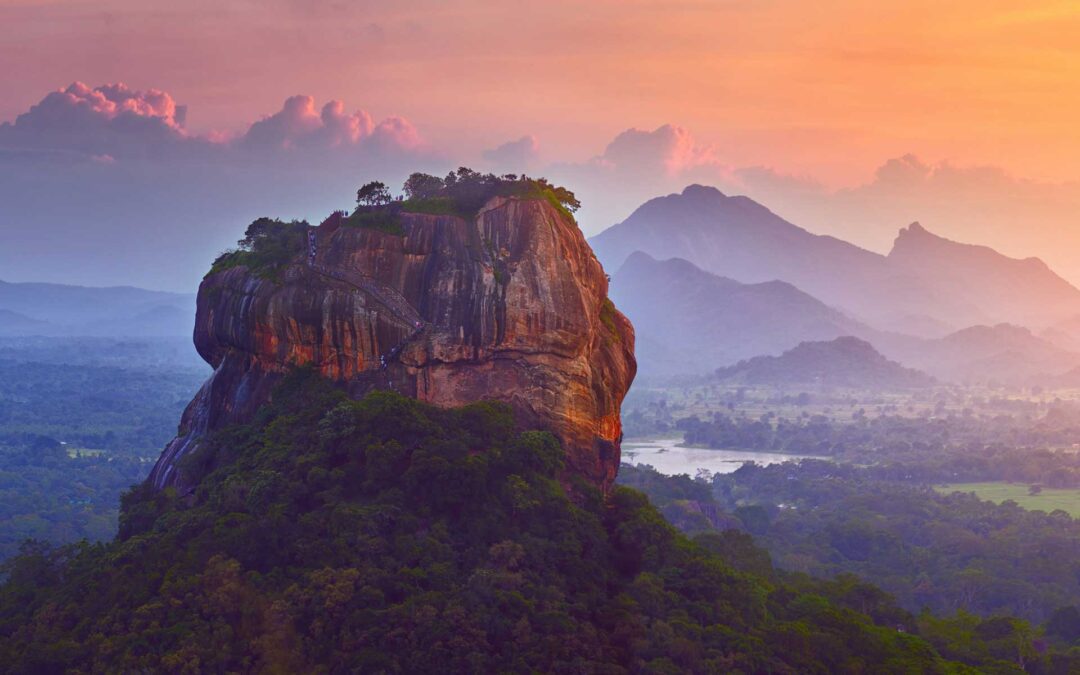
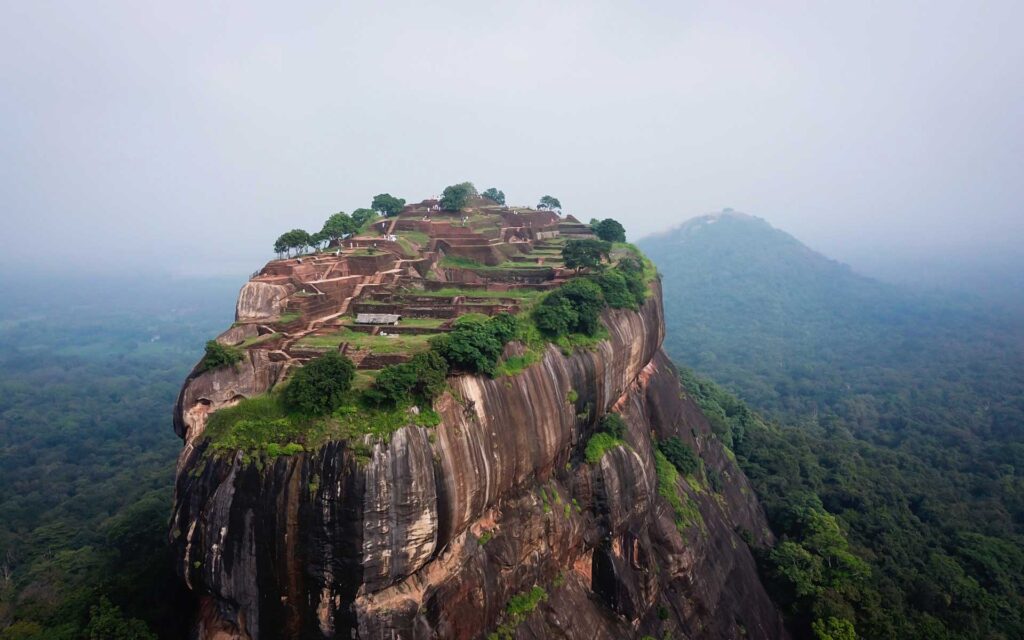
Sigiriya Lion Rock stands as a breathtaking marvel in central Sri Lanka. This ancient fortress sits atop a massive rock pillar, rising 1,144 feet above sea level. Sigiriya is a UNESCO World Heritage Site. It shows the rich history and amazing architecture of ancient Sri Lankan civilization.
The site gets its name from the huge lion paws carved into the rock face. These paws once formed part of a giant lion statue that guarded the entrance to the fortress.
Visitors today can climb steep stairs between these paws to reach the summit, where they’re rewarded with stunning views and ancient ruins.
Built in the 5th century CE, Sigiriya served as both a palace and a fortress. Its water gardens, frescoes, and mirror wall are impressive examples of ancient Sri Lankan art and engineering. The rock fortress continues to amaze tourists and archaeologists alike with its blend of natural beauty and human ingenuity.
History of Sigiriya
Sigiriya’s past spans centuries, from ancient Buddhist roots to a brief period as a royal capital. Its story involves rebellion, art, and eventual abandonment.
Ancient Origins
Sigiriya’s history goes back to prehistoric times. People lived in the area’s caves as early as 5000 years ago.
By the 3rd century BCE, Buddhist monks used the site. They built small shelters and meditation spots in the rock’s caves and ledges.
The Sigiriya Rock Fortress served as a Buddhist monastery for many years. Monks lived and prayed there in peace. This lasted until the 5th century CE, when big changes came to Sigiriya.
Reign of King Kashyapa I
In 477 CE, King Kashyapa took over Sigiriya. He had killed his father and feared revenge from his brother. Kashyapa turned Sigiriya into a grand fortress-palace.
He built huge walls, gardens, and pools around the rock. On top, he made a palace with amazing views. Kashyapa also added beautiful frescoes to the rock face. These paintings showed colorful women and are still famous today.
Kashyapa ruled from Sigiriya for 18 years. He made it a splendid royal capital, rivaling Anuradhapura. But his reign ended when his brother defeated him in battle in 495 CE.
Post-Kashyapa Era
After Kashyapa’s death, Sigiriya went back to being a Buddhist monastery. Monks lived there for many more years. They added new buildings and changed some of Kashyapa’s work.
Over time, people left Sigiriya. The jungle grew over the old city. For centuries, only local villagers knew about it. In 1831, a British army officer found the site again.
Today, Sigiriya is a popular tourist spot. It’s a UNESCO World Heritage site. People from all over come to see its ancient art and ruins.
Geographical Setting: Sigiriya Lion Rock Sigiriya Sri Lanka
Sigiriya’s location offers a stunning natural landscape with unique geological features. The area around the ancient fortress includes notable landmarks and historical sites that add to its cultural significance.
Sigiriya Rock Landscape
Sigiriya Rock stands tall in central Sri Lanka, rising 200 meters above the surrounding plains. This massive rock formation is a remnant of an ancient volcano. Its steep sides and flat top create a natural fortress.
The rock’s distinctive shape made it an ideal site for King Kashyapa’s palace in the 5th century. At the base of the rock, beautiful water gardens stretch out, showcasing ancient Sri Lankan hydraulic engineering.
Nearby, Pidurangala Rock offers a different perspective. It’s a popular spot for watching sunsets and getting a panoramic view of Sigiriya Rock.
Surrounding Areas of Interest
The area around Sigiriya is rich in cultural and natural attractions. Dambulla, known for its cave temples, lies about 25 kilometers west of Sigiriya. These temples house impressive Buddha statues and ancient murals.
To the east, the ancient city of Polonnaruwa showcases well-preserved ruins from the 12th century. It includes grand stupas, intricate stone carvings, and a massive Buddha statue.
The region’s landscape features lush forests, home to diverse wildlife. Nearby lakes and reservoirs enhance the area’s beauty. This makes it a great place for nature lovers and history fans.
Architectural Highlights
Sigiriya’s design combines natural and man-made elements in stunning ways. The rock fortress features intricate water systems, beautiful art, and clever defensive structures.
The Water Gardens
The water gardens at Sigiriya show off smart engineering from long ago. They sit at the base of the rock and use gravity to move water through fountains and pools.
The gardens have three main parts. The first has four L-shaped pools. The second has a big octagonal pool. The third has winding streams and little islands.
These gardens were not just pretty. They also helped keep the area cool in hot weather. The water system still works today, which shows how well it was built.
Frescoes and Graffiti
Sigiriya is famous for its beautiful frescoes. These old paintings cover a big part of the western rock face. They show women holding flowers, thought to be cloud maidens or celestial nymphs.
Only about 20 frescoes remain today. But experts think there used to be hundreds more. The colors are still bright after 1,500 years.
Near the frescoes, visitors can see old graffiti on the rock. This writing dates back to the 6th century. It gives us clues about what people thought of the paintings long ago.
Mirror Wall
The Mirror Wall is a special part of Sigiriya. It’s a smooth, polished white wall next to the frescoes. In the past, it was so shiny that people could see their reflections in it.
The wall is made of a special plaster. This plaster was made from lime, egg whites, and honey. It has stayed intact for over 1,500 years.
Many visitors wrote poems and comments on this wall. These writings give us a peek into what people thought about Sigiriya in the past.
The Lion Gate and Staircase: Sigiriya Lion Rock Sigiriya Sri Lanka
The Lion Gate marks the entrance to the final climb up Sigiriya rock. It’s halfway up the rock face. In the past, a huge lion statue guarded this spot.
Today, only the lion’s giant paws remain. They flank the start of the stairs. The name Sigiriya means “Lion Rock” because of this statue.
A steep staircase leads from the Lion Gate to the top. In the past, visitors would climb through the lion’s mouth to reach the summit. This design was meant to impress and maybe scare visitors.
The Summit and Palace Remains
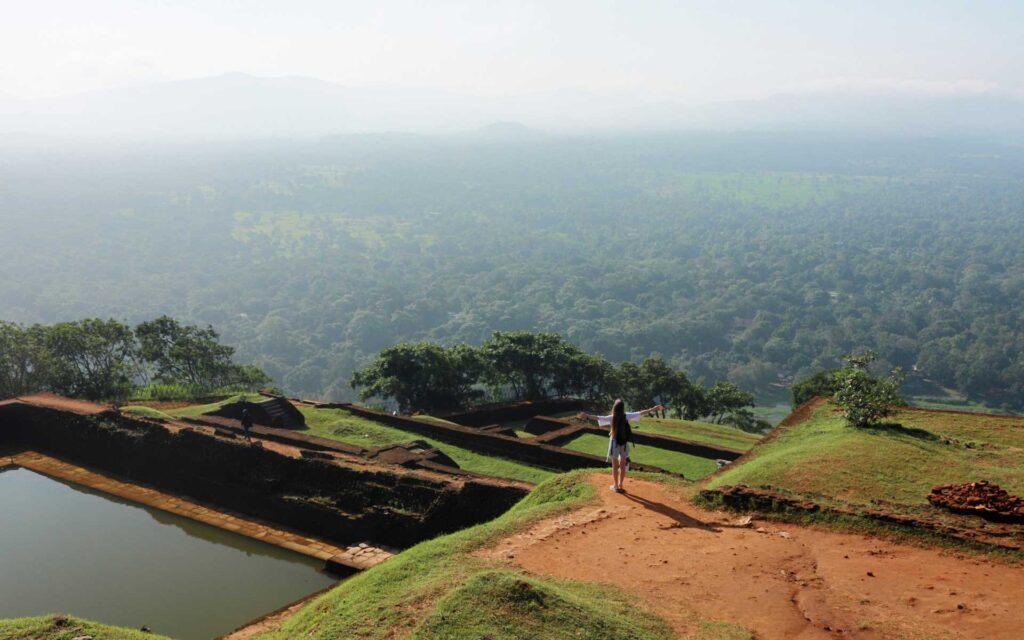
At the top of Sigiriya rock, visitors find the remains of the ancient palace. The summit is about 1.6 hectares (4 acres) in size.
The palace had many rooms and terraces. Foundations and holes cut into the rock show where buildings once stood. There’s also a large tank cut into the rock to hold water.
From the top, people can see for miles in all directions. This view helped the rulers spot enemies coming from far away. It also shows why this spot was picked for a royal palace.
Cultural Significance: Sigiriya Lion Rock Sigiriya Sri Lanka
Sigiriya holds great cultural value in Sri Lanka and worldwide. Its unique architecture, art, and historical importance have made it a subject of fascination for centuries.
Sigiriya in Literature
Sigiriya has inspired many literary works. The ancient graffiti found on the Mirror Wall offer insights into early Sinhala poetry. These writings, dating from the 6th to 14th centuries, include verses about the frescoes of beautiful women called Apsaras.
Modern authors have also featured Sigiriya in their works. Sri Lankan writer Martin Wickramasinghe’s novel “Lay Bare the Roots” uses Sigiriya as a backdrop. The fortress serves as a symbol of Sri Lanka’s rich cultural heritage in many contemporary poems and stories.
Sigiriya as a World Heritage Site
UNESCO named Sigiriya a World Heritage Site in 1982. This status recognizes its outstanding universal value. The site includes the ancient city, palace ruins, and stunning frescoes.
Sigiriya’s unique blend of urban planning, architecture, and art make it special. The water gardens show advanced hydraulic engineering. The frescoes reveal ancient painting techniques. These features highlight the cultural achievements of ancient Sri Lanka.
As a World Heritage Site, Sigiriya gets global attention and protection. It draws tourists from around the world. This helps boost Sri Lanka’s economy and cultural exchange.
Tourism and Travel Information: Sigiriya Lion Rock Sigiriya Sri Lanka
Sigiriya Lion Rock is a popular tourist destination in Sri Lanka. Visitors can climb the rock, explore ancient ruins, and enjoy stunning views. The site has specific entrance fees and opening hours.
Planning Your Visit
Sigiriya is open daily from 7:00 AM to 5:30 PM. The entrance fee is $36 per person as of 2024. It’s best to arrive early to avoid crowds and hot weather.
Visitors can buy tickets at the main entrance. The site gets busy, so plan to spend 2-3 hours exploring.
Public transport options are available. Buses run from nearby cities like Dambulla. Tuk-tuks and taxis are also common ways to reach Sigiriya.
Climbing Sigiriya
The climb to the top of Sigiriya Rock takes about 1-2 hours. It involves steep stairs and narrow pathways. Visitors should wear comfortable shoes and bring water.
The climb includes several points of interest:
Ancient frescoes
Mirror Wall
Lion’s Paw Terrace
Summit with palace ruins
Climbers can take breaks at viewing platforms. The final ascent uses metal stairs attached to the rock face.
Accommodations and Facilities: Sigiriya Lion Rock Sigiriya Sri Lanka
Many hotels and guesthouses are located near Sigiriya. Options range from budget hostels to luxury resorts. Booking in advance is recommended during peak season.
Facilities at the site include:
Visitor center
Restrooms
Small cafes
Souvenir shops
The nearby Sigiriya Museum offers more information about the site’s history. It’s worth visiting before or after climbing the rock.
Water and snacks are available for purchase, but bringing your own is advisable. Sun protection is important, as much of the climb is exposed.
Conservation and Preservation
Sigiriya’s status as a UNESCO World Heritage Site highlights its importance. Efforts focus on protecting the ancient ruins, frescoes, and surrounding landscape. Balancing preservation with tourism is a key challenge.
Efforts in Sustainability
The site management team uses eco-friendly practices. They limit daily visitor numbers to reduce wear and tear.
Walkways and viewing platforms protect fragile areas from foot traffic.
Water conservation is crucial. The ancient water gardens are maintained using modern irrigation techniques.
These methods help preserve the site’s original urban planning.
Waste management systems keep the area clean. Recycling bins are placed throughout the site.
Staff educates visitors on the importance of not littering.
Protecting Sigiriya’s Heritage
The famous frescoes require special care. Climate-controlled environments shield them from humidity and temperature changes.
Experts use non-invasive cleaning methods to maintain the vibrant colors.
Rock paintings outside the main complex also get attention. Conservators regularly check for signs of weathering or damage.
They use special coatings to protect against environmental factors.
The site’s Buddhist monastery areas are carefully preserved. Archaeologists work to uncover and protect newly found structures.
They use modern technology to map and study hidden ruins without disturbing them.
Local Climate and Best Times to Visit
Sigiriya has a tropical climate with warm temperatures year-round. The area experiences two main seasons: dry and wet.
The dry season from May to September is often considered the best time to visit. During these months, rainfall is minimal and sunny weather prevails.
Temperatures in Sigiriya typically range from 75-95°F (24-35°C). The hottest months are April and May, when temps can reach the mid-90s°F (mid-30s°C).
The landscaped gardens and moat surrounding Sigiriya are most vibrant during and after the rainy season. This occurs from October to April, with peak rainfall in November and December.
Keep in mind that rain can make climbing the rock slippery. It may also reduce visibility of the stunning views from the top.
Frequently Asked Questions
Sigiriya Lion Rock is a popular attraction in Sri Lanka with unique features and a rich history. Visitors often have questions about entrance fees, climbing details, and the site’s significance.
What is the entrance fee for visiting Lion Rock in Sigiriya?
The ticket office is open from 5:30 am to 5 pm daily.
How many steps are there to reach the top of Lion Rock in Sri Lanka?
Sigiriya Rock has approximately 1,200 steps leading to its summit. These steps are a mix of ancient stone stairs and modern metal staircases.
The climb is challenging but manageable for most visitors with average fitness levels.
What are some notable features that make Sigiriya Rock special?
Sigiriya Rock is known for its enormous Lion’s Paw carving at the entrance. This feature gave the rock its name.
The site also boasts ancient frescoes, mirror walls with ancient graffiti, and well-preserved water gardens. The panoramic views from the top are breathtaking.
Can you provide information about the history and age of Sigiriya Rock Fortress?
Sigiriya Rock Fortress dates back to the 5th century AD. It was built by King Kashyapa I as a royal citadel and pleasure palace.
The site has a complex history involving royal intrigue, religious significance, and architectural innovation. It showcases advanced urban planning and hydraulic technology for its time.
Approximately how long does it take to climb to the summit of Sigiriya Lion Rock?
The climb to the top of Sigiriya Rock typically takes about 1-2 hours, depending on fitness level and crowd conditions.
This time allows for a steady pace and occasional stops to rest or admire the views.
Visitors should allocate at least 3-4 hours for the entire experience, including exploring the base and gardens.
Where exactly is Sigiriya Lion Rock located in Sri Lanka?
Sigiriya Lion Rock is located in central Sri Lanka. It’s about 15 kilometers northeast of Dambulla. It sits within Sri Lanka’s Cultural Triangle, an area rich in ancient sites and historical significance.
The rock fortress rises dramatically from the surrounding plains. This makes it visible from a distance.