Special flight authorizations vs flight permits: are two important tools for aircraft operators. They allow planes to fly under certain conditions when they may not meet all normal requirements.
These authorizations help aircraft owners and operators move planes for maintenance, testing, or delivery. They provide flexibility while maintaining safety standards.
Understanding the differences between them is key for anyone involved in aviation operations or management.
Understanding Airworthiness
Airworthiness is key to aviation safety. It involves strict rules and checks to make sure planes are safe to fly.
Standard certificates are for most planes. Special ones are for unique cases like experimental aircraft.
To get a certificate, a plane must pass inspections. These check the plane’s condition and if it follows rules.
Airworthiness Requirements and Regulations
The FAA sets strict rules for airworthiness. These cover how planes are built, fixed, and flown.
Key parts of airworthiness include:
Type certificates: Prove a plane design is safe
Airworthiness directives: Orders to fix safety issues
Maintenance schedules: Regular checks to keep planes safe
Planes must meet these rules to be “airworthy”. This means they are safe for flight and follow all laws.
Special flight permits can let planes fly even if they don’t meet all rules. But this is only for specific reasons, like moving a plane for repairs.
Overview of Special Flight Authorizations
Special flight authorizations allow aircraft to fly under specific conditions when they don’t meet normal airworthiness requirements. These permits are crucial for moving aircraft safely in certain situations.
Special Flight Permit Explained
A special flight permit is a type of authorization issued by the Federal Aviation Administration (FAA). It allows an aircraft to fly even if it doesn’t meet airworthiness standards. This permit is often called a “ferry permit.”
Common reasons for getting a special flight permit include:
Flying to a repair facility
Delivering or exporting the aircraft
Evacuating from dangerous areas
Conducting customer demonstration flights
To get a permit, the aircraft must be capable of safe flight. The FAA carefully reviews each application to ensure safety.
Distinguishing Between SFA and Special Airworthiness Certificate
Special Flight Authorizations (SFA) differ from Special Airworthiness Certificates. An SFA is typically for foreign aircraft, while a Special Airworthiness Certificate is for U.S. registered aircraft.
Special Flight Authorizations are needed for foreign civil aircraft that don’t have a U.S. airworthiness certificate. These allow the aircraft to enter and operate in U.S. airspace under specific conditions.
Special Airworthiness Certificates, on the other hand, are for U.S. aircraft in categories like experimental or light-sport. They allow flights for specific purposes like testing new aircraft designs or operating amateur-built planes.
FAA’s Role and Procedures
The Federal Aviation Administration (FAA) plays a crucial role in issuing special flight authorizations and permits. They have specific forms and procedures in place to ensure safety and compliance.
The form must be carried in the aircraft during the authorized flight. It’s typically valid for one flight or a series of flights within a specific timeframe.
The order ensures compliance with safety standards. It covers both U.S. registered aircraft and those from non-ICAO member countries.
For non-ICAO countries, additional approval from the Department of Transportation is needed. This process helps maintain international aviation safety standards.
Aircraft Operation and Limitations
Special flight authorizations and permits come with specific rules for aircraft operation. These cover testing procedures, customer demonstrations, and general operating restrictions for civil aircraft.
Production Flight Testing Procedures
Production flight testing is a key step in aircraft manufacturing. It ensures new planes meet safety and performance standards. Test pilots follow strict protocols during these flights.
They check all systems and controls. This includes engines, avionics, and landing gear.
Pilots must stay within set flight envelopes. These define speed, altitude, and maneuver limits.
Special flight permits may be needed for production testing. These allow flights even if the aircraft doesn’t meet all normal airworthiness requirements yet.
Tests often involve:
Takeoff and landing performance checks
Stall speed verification
Systems functionality assessments
Restrictions on Customer Demonstration Flights
Customer demo flights have unique rules. These protect potential buyers and maintain safety standards.
Only qualified pilots can conduct these flights. They must follow a pre-approved flight plan. This plan limits maneuvers and operating areas.
Passengers are usually restricted. Often, only essential personnel can be on board. This might include the customer’s representatives and technical experts.
Key restrictions typically include:
No aerobatic maneuvers
Limited weight and balance changes
Adherence to visual flight rules in most cases
Aircraft used for demos must be in airworthy condition. Any experimental features need special approval before customer flights.
Operating Limitations for Civil Aircraft
Civil aircraft face various operating limitations. These ensure safety and compliance with regulations.
Weight and balance limits are crucial. They affect takeoff performance, fuel efficiency, and handling. Pilots must calculate these before each flight.
Speed restrictions apply in different airspace classes. Near airports, aircraft must slow down to reduce collision risks.
Altitude limitations depend on the aircraft type and equipment. Pressurized cabins allow for higher altitudes. Unpressurized planes have stricter limits to prevent hypoxia.
Pilots must be familiar with their aircraft’s limitations. They’re outlined in the plane’s operating handbook and on placards in the cockpit.
Specific Considerations for Flight Permits
Flight permits have unique requirements based on the operation type. These permits ensure safe flights for aircraft that may not meet standard airworthiness conditions. Key factors include weight limitations, purpose of the flight, and aircraft category.
Criteria for Overweight Operations
Special flight permits may allow aircraft to exceed normal weight limits in certain situations. This often applies when ferrying aircraft for maintenance or storage.
The FAA evaluates several factors for overweight operations:
Aircraft structural integrity
Engine performance
Runway length requirements
Fuel capacity and consumption
Weather conditions along the route
Pilots must demonstrate the ability to handle the aircraft at higher weights. Extra precautions may be needed, such as reduced payloads or additional fuel stops.
Regulations for Ferry Flights
Ferry flights move aircraft to maintenance facilities or storage locations. These flights require special considerations due to the aircraft’s condition.
Key regulations for ferry flights include:
Limited passenger capacity
Restricted flight routes
Daylight-only operations in some cases
Specific equipment requirements
The FAA may impose additional restrictions based on the aircraft’s status. Pilots must be qualified for the specific aircraft type and familiar with any limitations.
Unmanned Aircraft Systems and Optionally Piloted Aircraft
UAS and OPA have unique permit requirements. These aircraft often operate under experimental certificates rather than standard airworthiness certificates.
For UAS operations, considerations include:
Designated operating areas
Communication systems reliability
Detect-and-avoid capabilities
OPA permits may require:
Backup pilot systems
Enhanced fail-safe mechanisms
Specific pilot qualifications for both manned and unmanned modes
The FAA evaluates each UAS and OPA application individually. Safety measures and operational limits are set based on the aircraft’s capabilities and intended use.
Maintenance and Inspection Requirements
Special flight authorizations and permits have specific maintenance and inspection rules. These ensure aircraft safety even when not fully meeting airworthiness standards.
For general aviation aircraft, owners must follow manufacturer guidelines. They need to keep detailed maintenance logs. This helps prove the plane can fly safely.
Larger aircraft often have more complex programs. These may include daily checks and frequent part replacements. The goal is to catch issues before they become dangerous.
Inspection and Registration Necessities
Special flight permits require specific inspections. These differ from standard annual inspections.
A qualified mechanic must check the plane. They look for problems that could affect safe flight. The inspection focuses on:
Engine condition
Flight controls
Structural integrity
Registration is also key. The FAA needs current info on file. This includes:
Owner details
Aircraft location
Permit purpose
Inspections and registration help ensure safety. They also help track aircraft operating under special conditions.
Navigational Equipment and Flight Rules
Special flight authorizations and permits have specific requirements for navigational equipment and flight rules. These requirements ensure safe operation under different conditions and airspace types.
Instrument Flight Rules (IFR) and Required Equipment
IFR flights demand more advanced equipment than visual flights. For IFR operations, aircraft need:
Two-way radio communication systems
Navigation equipment for the route
Transponder with altitude reporting capability
These requirements apply to both normal and special flight operations. Special flight permits may allow some exceptions, but safety remains paramount.
Pilots must ensure all required instruments are working properly before takeoff. This includes altimeters, airspeed indicators, and magnetic direction indicators.
Navigation Equipment Standards
Navigation equipment must meet strict standards for accuracy and reliability.
Modern aircraft often use GPS-based systems, which offer precise positioning and route guidance.
Key navigation equipment includes:
VOR receivers
DME systems
GPS units (TSO-C129 or later approved)
Aircraft operating under special authorizations may need to demonstrate their navigation equipment’s capability. This ensures they can safely navigate in various airspace classes and weather conditions.
Pilots should be familiar with their aircraft’s navigation systems and their limitations. Regular checks and updates are crucial to maintain equipment accuracy and compliance with regulations.
Legal Framework and Documentation
The legal framework for special flight authorizations and permits involves specific forms and directives. These documents ensure aircraft safety and compliance with regulations.
Filling FAA Form 8130-6
FAA Form 8130-6 is a key document for special flight permits. It’s used to apply for airworthiness certificates and special flight permits.
The form requires detailed information about the aircraft. This includes its make, model, and serial number. Applicants must also specify the purpose of the flight.
Accuracy is crucial when filling out this form. Errors can delay the approval process. The FAA reviews each application carefully to ensure safety standards are met.
Understanding Airworthiness Directives
Airworthiness Directives (ADs) are mandatory regulations issued by the FAA. They address unsafe conditions in aircraft, engines, or equipment.
Aircraft owners and operators must comply with ADs. This may involve inspections, repairs, or modifications. ADs can affect an aircraft’s eligibility for special flight permits.
The FAA regularly updates ADs. Staying informed about new directives is essential for maintaining compliance. Failure to follow ADs can result in penalties and safety risks.
ADs often include deadlines for compliance. These timelines are critical for planning maintenance and flight operations.
Categories and Designations of Aircraft
Aircraft are classified into different categories and designations based on their use and characteristics. These classifications impact how aircraft are regulated and operated.
Experimental Category and Related Aircraft
The experimental category includes aircraft used for research, development, and testing. This designation allows for more flexibility in design and operation.
Experimental aircraft often require special flight permits for certain operations. These permits allow flights that may not meet standard airworthiness requirements.
Builders of experimental aircraft can apply for airworthiness certificates. This process involves inspections and flight testing to ensure safety.
Light-Sport Aircraft Designation
Light-sport aircraft (LSA) are small, simple-to-operate planes. They have weight and speed limits set by regulators.
LSA pilots need fewer training hours compared to other aircraft categories. This makes flying more accessible to recreational pilots.
Manufacturers can produce LSA under simpler rules than standard aircraft. This helps reduce costs and encourages innovation in the industry.
LSA can be used for personal flying and some types of flight training. They offer a balance between capability and regulatory requirements.
FAQs: Special Flight Authorization vs Flight Permits
Special flight permits have specific requirements, limitations, and procedures. The FAA issues these permits for aircraft that don’t meet airworthiness standards but can fly safely under certain conditions.
What are the requirements to obtain a special flight permit?
To get a special flight permit, an aircraft must be capable of safe flight. The plane needs to have working instruments and equipment for the planned route. Pilots must meet qualification requirements for the aircraft type.
What limitations apply to aircraft operating under a special flight permit?
Aircraft with special flight permits can only fly for approved purposes. These include moving the plane for repairs or storage. The permit limits passenger numbers and cargo. It may restrict flight paths and altitudes.
How does one apply for and secure a special flight permit from the FAA?
Pilots can apply for a special flight permit through the FAA’s Airworthiness Certification tool. They must provide details about the aircraft, planned flight, and reasons for the permit. The local FAA office reviews and approves applications.
What is the validity period of a special flight permit?
Special flight permits usually last for one flight or a series of flights. The FAA sets an expiration date based on the planned trip. Permits for production flight testing can be valid for up to 12 months.
How do standard and special airworthiness certificates differ?
Standard certificates show an aircraft meets all safety rules. Special certificates allow flights for specific purposes when a plane doesn’t meet normal standards. Special permits have more limits on how the aircraft can be used.
Under what circumstances may a special flight permit be denied issuance?
The FAA may deny a permit if the aircraft isn’t safe to fly. Other reasons include incomplete applications or unqualified pilots.
Permits can also be refused if the proposed flight violates airspace rules or poses risks to people or property on the ground.
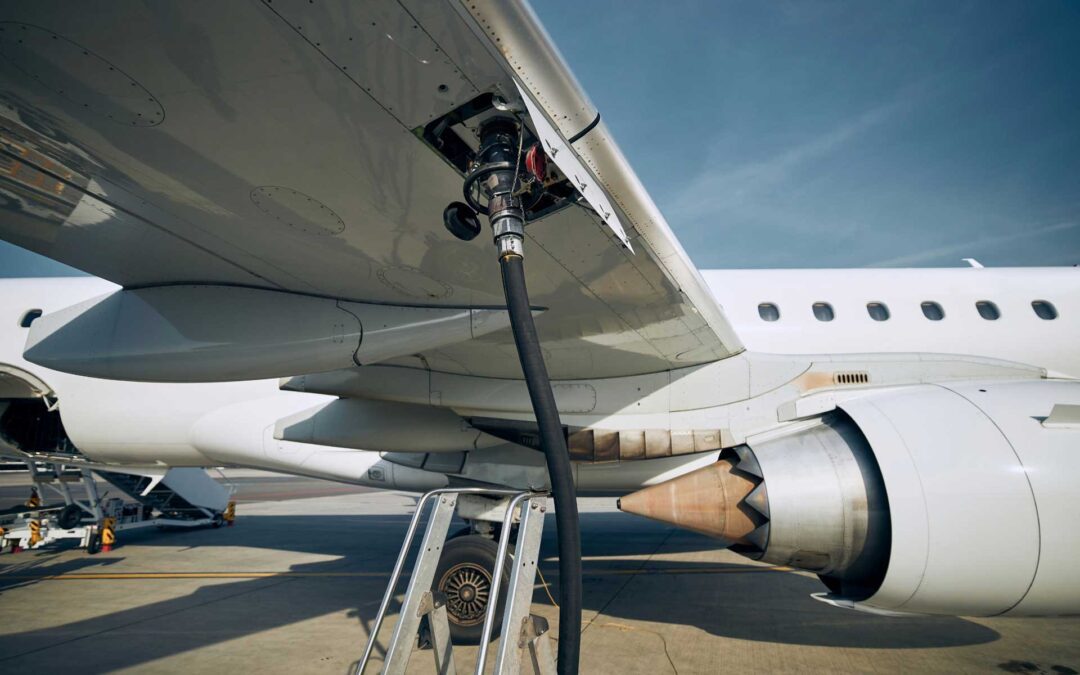
Aircraft fuel tanks are key parts of planes that store and supply fuel to the engines. They come in different types and sizes depending on the aircraft.
Fuel tanks can be built into the wings, placed in the fuselage, or attached externally to increase range.
Integral tanks are part of the aircraft structure, often in the wings. Rigid removable tanks can be taken out for maintenance. Bladder tanks are flexible and fit into spaces in the plane.
The design and placement of fuel tanks affect how far a plane can fly. Bigger tanks let planes go longer distances without stopping. Engineers must balance fuel capacity with the aircraft’s weight and performance.
Modern planes use complex fuel systems to move fuel between tanks and keep the plane balanced during flight.
Overview of Aircraft Fuel Tanks
Aircraft fuel tanks store and supply fuel to engines during flight. They come in different types and are made from various materials to meet safety and performance needs.
Types of Aircraft Fuel Tanks
Integral tanks are built into the aircraft structure, often in the wings. These tanks save space and weight.
Bladder tanks are flexible containers that fit inside the aircraft. They’re easy to replace and less likely to leak.
Rigid removable tanks can be taken out for maintenance. They’re common in smaller planes.
External tanks attach to the outside of the aircraft. They give extra fuel capacity for long flights.
Wing tanks are a type of integral tank. They use the wing’s hollow space to hold fuel.
Materials Used in Fuel Tank Construction
Metal fuel tanks are strong and durable. Aluminum alloys are popular because they’re lightweight and resist corrosion.
Steel is used for some fuel tanks. It’s heavier but very strong.
Composite materials are becoming more common. They’re light and can be molded into complex shapes.
Some tanks use special coatings inside. These help prevent leaks and reduce fire risks.
Aircraft Fuel System Components
Aircraft fuel systems have several key parts that work together to store and deliver fuel safely. These components ensure proper fuel flow and management during all phases of flight.
Fuel Pumps and Lines
Fuel pumps move fuel from tanks to engines. Engine-driven pumps are the main type used. Backup electric pumps provide redundancy. Boost pumps in fuel tanks help prevent vapor lock at high altitudes.
Fuel lines connect tanks to engines. They’re made of flexible, reinforced hoses or rigid metal tubing. Lines have quick-disconnect fittings for easy maintenance.
Fuel quantity sensors measure fuel levels. These send data to cockpit gauges and computers. Some aircraft use capacitance probes in tanks. Others use float sensors.
Fuel Valves and Filters
Fuel valves control fuel flow. Selector valves let pilots choose fuel tanks. Shutoff valves stop fuel flow in emergencies. Cross-feed valves allow fuel transfer between tanks.
Fuel filters remove contaminants. Main filters catch larger particles. Fine filters trap tiny debris. Bypass valves open if filters clog, ensuring fuel flow continues.
Drain valves let mechanics remove water and sediment from tanks. These are usually at the lowest points in fuel tanks.
Fuel Management Systems
Modern aircraft use computerized fuel management systems. These monitor fuel quantity, flow rates, and consumption. They calculate range and endurance based on current conditions.
Fuel computers optimize fuel use. They may suggest the most efficient power settings. Some can automatically transfer fuel between tanks to maintain balance.
Fuel temperature sensors monitor fuel heating and cooling. Heat exchangers warm fuel in cold conditions to prevent freezing. Coolers may be used in hot climates to prevent vapor lock.
Fuel vent systems equalize pressure in tanks as fuel is used. They prevent tank collapse or overpressure. Vents have flame arrestors for safety.
Fuel Storage and Capacity
Aircraft fuel storage systems play a crucial role in flight operations. These systems come in different types and sizes. Each has its own features and benefits for different aircraft and missions.
Integral Fuel Tanks and Capacity
Integral fuel tanks are built into the aircraft’s structure, often in the wings. These tanks maximize fuel capacity while minimizing weight.
Smaller aircraft may have integral tanks with capacities ranging from a few hundred to several thousand liters. The exact capacity depends on the aircraft’s size and design.
Integral tanks offer advantages:
Efficient use of space
Lower maintenance needs
Reduced risk of leaks
However, they can be harder to repair if damaged.
Bladder and Rigid Removable Tank Characteristics
Bladder tanks are flexible containers made of fuel-resistant materials. They fit inside aircraft cavities. Rigid removable tanks are hard-shell containers that can be installed or removed as needed.
Key features of bladder tanks:
Lightweight
Easily replaceable
Self-sealing in case of puncture
Rigid removable tanks offer:
Higher durability
Easier inspection and maintenance
Option to increase fuel capacity for long flights
Both types allow for fuel storage customization based on mission requirements. They’re common in military and specialized civilian aircraft.
These tanks typically hold less fuel than integral tanks but offer more flexibility. Capacities can range from a few hundred to several thousand liters, depending on the aircraft’s size and design.
Aircraft Fuel Maintenance and Inspection
Regular fuel tank checks and repairs are crucial for safe aircraft operation. Proper maintenance prevents fuel contamination and leaks, ensuring optimal performance and safety during flights.
Routine Fuel Tank Inspection
Visual inspections are key to maintaining aircraft fuel tanks. Pilots and technicians should check for signs of damage, corrosion, or leaks before each flight.
Look for discoloration or stains around fuel tank openings and seams. These may indicate fuel leaks.
Inspect fuel tank vents for blockages. Clear vents are essential for proper fuel flow and tank pressure.
Check fuel quantity gauges for accuracy. Compare readings with visual fuel levels.
Drain a small amount of fuel from each tank to check for water or debris contamination. Use a clear container for easy detection.
Repair and Maintenance of Fuel Tanks
When issues are found, prompt repair is vital. Only qualified technicians should perform fuel tank repairs.
Common repairs include sealing leaks, replacing worn seals, and treating corrosion. In severe cases, entire tank sections may need replacement.
Clean fuel tanks regularly to prevent buildup of sediment or microbial growth. This helps maintain fuel quality and prevent engine problems.
Replace fuel filters according to the manufacturer’s schedule. Clean filters ensure only pure fuel reaches the engine.
After repairs, pressure test tanks to verify their integrity. This helps detect any remaining leaks or weak points.
Aircraft fuel tank safety involves preventing fuel starvation and mitigating explosion risks. Proper management of these issues is crucial for safe flight operations.
Prevention of Fuel Starvation
Fuel starvation occurs when engines lose power due to lack of fuel. To prevent this, pilots must:
Check fuel levels before flight
Monitor fuel consumption during flight
Plan routes with adequate fuel reserves
Regular maintenance of fuel systems is essential. This includes:
Inspecting fuel tanks for leaks
Cleaning fuel filters
Testing fuel pumps
Proper fuel management in flight is critical. Pilots should:
Switch fuel tanks at regular intervals
Balance fuel between tanks
Be aware of fuel gauge accuracy limitations
Mitigation of Fuel Tank Explosions
Fuel tank explosions pose a serious safety risk. To mitigate this danger, aircraft use:
Inerting systems to reduce oxygen in fuel tanks
Flame arrestors to prevent ignition sources
Explosion-proof wiring and equipment
Regular inspections are vital. These include:
Checking for fuel vapor leaks
Testing inerting system effectiveness
Examining fuel tank integrity
Safety regulations require:
Strict maintenance schedules
Proper grounding during refueling
Use of explosion-proof tools near fuel tanks
Fuel tank safety rules continue to evolve. New technologies and procedures are constantly being developed to enhance aircraft fuel system safety.
Fuel Types and Handling
Aircraft fuel tanks store different types of aviation fuels. Proper handling and storage are crucial to prevent contamination and ensure safe flight operations.
Common Aviation Fuels
Avgas and jet fuel are the main types of aviation fuel.
Avgas, or aviation gasoline, is used in piston-engine aircraft. It comes in grades like 100LL (low lead). Jet fuel, often kerosene-based, powers turbine engines. Jet A is common in the U.S., while Jet A-1 is used internationally.
Some light aircraft can use MOGAS (automotive gasoline). However, E5 MOGAS may damage fuel systems if left unused for long periods.
Fuel choice depends on the aircraft engine type. Using the wrong fuel can cause engine failure.
Fuel trucks and equipment need regular inspection and maintenance.
Key practices include:
Checking the fuel filler cap for proper sealing
Using water-detecting paste before fueling
Draining fuel sumps to remove water and debris
Filtering fuel during transfer to aircraft tanks
Regular fuel quality checks help prevent contamination. Pilots should verify fuel type and quantity before each flight.
Ground crew must be trained in safe fueling procedures. This includes grounding aircraft to prevent static electricity buildup during refueling.
Case Studies
Aircraft fuel tank designs vary widely across different planes. Two notable examples show how manufacturers approach fuel storage challenges.
Cessna 172 Fuel System Analysis
The Cessna 172 uses a simple but effective fuel system. It has two main fuel tanks, one in each wing. Each tank holds 28 gallons of fuel. The tanks feed fuel to the engine by gravity.
The 172’s fuel system includes:
Vented fuel caps
Fuel quantity transmitters
A fuel selector valve
Fuel strainer
This design allows for easy fuel management. Pilots can switch between tanks in flight. The system also has safety features to prevent vapor lock and fuel starvation.
Boeing 737 Fuel Storage Solutions
The Boeing 737 has a more complex fuel system than small planes. It uses multiple tanks to store over 6,875 gallons of fuel. The main tanks are in the wings. Center tanks provide extra capacity.
This system allows for efficient fuel use on long flights. It also provides redundancy for safety. Pilots can transfer fuel between tanks as needed.
FAQs
Aircraft fuel tanks are complex systems that vary in capacity, design, and cost. These key components affect plane performance and require careful consideration during manufacturing and maintenance.
What are the common capacities of airplane fuel tanks in liters?
Airplane fuel tank capacities vary widely depending on aircraft size and type.
Small general aviation planes may have tanks holding 200-500 liters.
Commercial airliners can carry much more, with large aircraft like the Boeing 747 storing up to 240,000 liters of fuel.
How does aircraft fuel tank design affect performance?
Fuel tank design impacts aircraft weight, range, and efficiency.
Integral tanks built into the wings save space and reduce drag.
External tanks can extend range but may decrease speed and maneuverability.
What is the process for fuel tank replacement in airplanes?
Replacing aircraft fuel tanks involves careful planning and execution.
Technicians must drain and purge the old tank, remove it safely, and install the new tank according to strict regulations.
The process can take several days to weeks depending on the aircraft type.
Who are the leading manufacturers of aircraft fuel tanks?
Major aerospace companies like Boeing, Airbus, and Lockheed Martin produce fuel tanks for their aircraft.
Specialized manufacturers such as Meggitt and GKN Aerospace also supply fuel tanks to various aircraft makers.
How do different types of aircraft fuel tanks vary?
Integral tanks are built into the aircraft structure, while external tanks are removable. Conformal tanks fit closely to the aircraft’s shape, and auxiliary tanks provide extra capacity.
What factors influence the cost of an aircraft fuel tank?
Fuel tank costs depend on size, materials, and complexity. Larger tanks for commercial airliners are more expensive than those for small planes.
Advanced materials like composites increase costs but may offer weight savings. Custom designs for specific aircraft models also affect pricing.
Aircraft ground handling is a key part of air travel. It covers all the work done to get a plane ready for its next flight. This happens when the plane is parked at the gate.
Ground handling includes tasks like refueling, cleaning, and loading bags. It also means helping passengers check in and board. Skilled workers do these jobs to keep flights on time and safe.
Many people work together to handle a plane on the ground. Marshallers guide planes to their spots. Cleaners tidy up inside. Caterers bring food for the next flight. All these jobs are part of airport services. They make sure each plane is set to take off again.
Overview of Ground Handling
Aircraft ground handling covers the tasks needed to prepare planes for takeoff and care for them after landing. It keeps airports running smoothly and safely.
Ground Handling Services
Aircraft ground handling includes many key jobs at airports. Baggage handlers load and unload luggage. Fuel teams refill planes. Cleaning crews tidy up cabins.
Catering staff stock food and drinks. Maintenance workers check and fix issues. De-icing teams remove ice in cold weather.
Gate agents help passengers board. Ramp workers guide planes to gates. Cargo handlers move freight on and off planes.
The Role of Ground Support Equipment (GSE)
Special tools and vehicles help with ground handling tasks. Tugs move planes around the airport. Baggage carts transport luggage.
Jet bridges let people walk onto planes. Fuel trucks fill up gas tanks. De-icing trucks spray planes with fluid.
Belt loaders move bags into cargo holds. Lavatory trucks empty waste tanks. Air start units help start engines.
Importance of Safety and Regulatory Requirements
Safety is crucial in ground handling. Workers follow strict rules to avoid accidents. They wear bright vests and use hand signals.
Regulations set standards for all tasks. These cover how to handle fuel, move planes, and load cargo. Rules also say how to train workers and maintain equipment.
Regular inspections check if rules are followed. Safety meetings help spot and fix problems. Good training teaches workers to do their jobs safely.
Operational Procedures
Aircraft ground handling involves many tasks to ensure safe and smooth operations. Key procedures include guiding planes, managing cargo, and moving aircraft on the ground. These steps are vital for flight safety and on-time performance.
Marshalling and Ramp Operations
Marshalling guides planes to their parking spots. Trained staff use hand signals or light wands to direct pilots. This helps avoid collisions with other aircraft or objects on the ramp.
Ramp operations cover many tasks. Workers load and unload baggage, refuel planes, and clean cabins. They also check for any damage to the aircraft.
Safety is crucial on the ramp. Ground crews wear bright vests and follow strict rules. They stay alert for moving vehicles and aircraft at all times.
Baggage and Cargo Handling
Efficient baggage handling keeps flights on schedule. Handlers sort luggage by flight and load it onto planes. They use conveyor belts and tugs to move bags quickly.
Cargo needs special care. Workers use forklifts to load heavy items. They secure cargo to prevent shifting during flight. Handlers must follow weight limits for each plane.
Some items need extra attention. Live animals, perishable goods, and dangerous materials have specific rules. Staff must be trained to handle these properly.
Aircraft Towing and Pushback
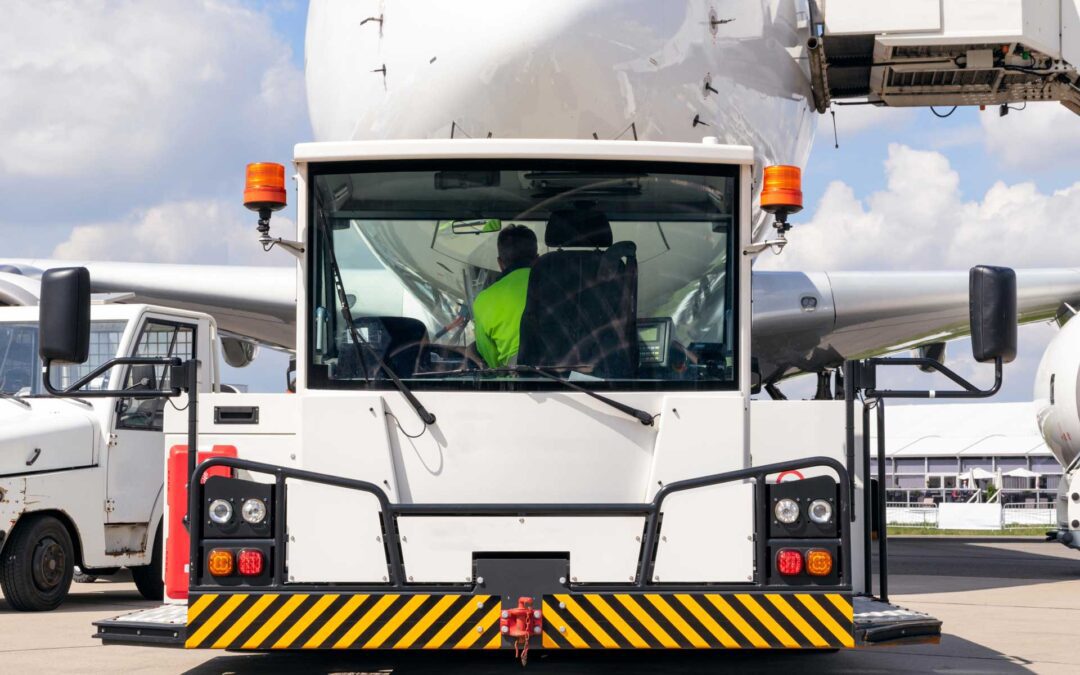
Towing moves planes around the airport when not under their own power. Special vehicles called tugs connect to the nose gear. Skilled drivers maneuver aircraft in tight spaces.
Pushback is the process of moving a plane away from the gate. A tug pushes the aircraft backward so it can taxi to the runway. Coordination between the tug driver and pilots is key.
Safety checks are important before towing or pushback. Ground crews inspect the area for obstacles. They also make sure all doors are closed and ground equipment is clear of the plane.
Aircraft Servicing
Aircraft servicing is vital for safe and efficient flight operations. It involves several key processes that prepare an aircraft for its next journey. These tasks ensure the plane is fueled, clean, powered, and maintained properly.
Refueling and Ground Power
Aircraft refueling is a critical part of ground operations. Trained personnel use specialized equipment to pump fuel into the aircraft’s tanks. The amount of fuel loaded depends on the flight plan and aircraft type.
Ground power units (GPUs) supply electricity to parked planes. This allows the aircraft to run systems without using its own engines or batteries. GPUs help conserve onboard fuel and reduce noise at the airport.
Safety is crucial during these processes. Workers follow strict rules to prevent fuel spills and electrical hazards.
Cabin Cleaning and Lavatory Services
A clean cabin is important for passenger comfort and health. Cleaning crews work quickly between flights to:
Remove trash
Vacuum floors
Wipe down surfaces
Restock supplies
Lavatory service is another key task. Special trucks empty and clean the airplane’s toilets. They also refill them with fresh water and chemicals.
These services help maintain a hygienic environment for travelers and crew.
De-Icing and Aircraft Maintenance
De-icing is crucial for winter operations. It removes ice and snow from the aircraft’s surfaces. This process uses special fluids sprayed onto the plane. De-icing ensures safe takeoffs in cold weather.
Regular maintenance keeps planes in top condition. Mechanics perform checks and repairs on various systems. This includes:
Inspecting engines
Checking hydraulics
Testing electronics
Some maintenance happens during brief stops. Major work occurs during scheduled downtime. Proper upkeep prevents problems and extends an aircraft’s life.
Passenger and Crew Management
Passenger and crew management is a crucial part of aircraft ground handling. It involves several key processes to ensure smooth operations and customer satisfaction.
Check-In and Ticketing
Check-in and ticketing are the first steps in the passenger journey. Passengers present their travel documents and receive boarding passes. Luggage is weighed, tagged, and sent to the aircraft.
Self-service kiosks are now common at many airports. They allow passengers to check in quickly and print their own boarding passes.
For international flights, passport and visa checks are conducted. Passenger service agents help resolve any issues that may arise during this process.
Passenger Handling and Embarkation
After check-in, passengers move through security screening. They then proceed to the departure gate for boarding.
If buses are needed to transport passengers to the aircraft, ground staff ensure passenger safety on the ramp. They also assist passengers with special needs or young children.
During boarding, agents check boarding passes and direct passengers to their seats. They help with storing carry-on luggage in the overhead bins.
Crew Services and Turnaround Time
Crew services are vital for efficient aircraft turnaround. These include providing transportation between the airport and hotels.
Flight crews receive updated flight plans, weather reports, and passenger information. They also get meal services during longer layovers.
Quick and efficient crew changes are essential. New crews must be briefed and ready to take over as soon as the incoming crew completes their duties.
Specialized Ground Handling Tasks
Ground handling involves several specialized tasks that require specific skills and equipment. These tasks ensure safe and efficient aircraft operations while on the ground.
Handling Dangerous Goods
Dangerous goods in aviation require careful handling. These items can pose risks to safety if not managed properly.
Trained personnel must identify and segregate hazardous materials. They use special packaging and labeling to prevent accidents.
Strict regulations govern the transport of dangerous goods by air. Ground handlers must follow these rules closely.
Common dangerous goods include:
Flammable liquids
Compressed gases
Corrosive substances
Radioactive materials
Ground staff use protective equipment when handling these items. They also maintain detailed records of all dangerous goods shipments.
Unit Load Devices and Cargo Loaders
Unit Load Devices (ULDs) are containers used to load cargo onto aircraft. They come in various shapes and sizes to fit different aircraft types.
Cargo loaders are specialized vehicles that lift ULDs into the aircraft. These machines can handle heavy loads safely and efficiently.
Ground handlers must:
Inspect ULDs for damage
Load them correctly to balance the aircraft
Secure ULDs to prevent shifting during flight
Proper use of ULDs and cargo loaders speeds up the loading process. It also helps protect cargo from damage during transport.
Provisioning and Catering
Catering services play a crucial role in passenger comfort. Ground handlers work with catering companies to stock aircraft with food and beverages.
Provisioning involves supplying the aircraft with:
Meals and snacks
Drinks
Cutlery and serving items
Blankets and pillows
Ground staff must follow strict food safety guidelines. They ensure that all catering items are fresh and properly stored.
Timing is critical in catering operations. Meals must be loaded just before departure to maintain quality and safety.
Quality Standards and Best Practices
Ground handling operations follow strict guidelines to ensure safety and efficiency. Key standards and practices focus on operational procedures, staff training, and customer care.
IATA Ground Operations Manual
The IATA Ground Operations Manual sets industry-wide standards for aircraft handling. It covers tasks like aircraft loading, passenger services, and baggage handling. The manual is updated regularly to keep up with new technologies and safety requirements.
Key areas covered in the manual include:
Ramp safety procedures
Aircraft fueling protocols
Cargo and mail handling
De-icing operations
Airlines and ground handlers use this guide to train staff and create their own procedures. It helps ensure consistent quality across different airports and countries.
Ground Handling Best Practices
Best practices in ground handling focus on safety, efficiency, and reliability. Some important practices include:
Regular staff training and certification
Use of digital tools for real-time communication
Strict adherence to safety checklists
Proper maintenance of ground support equipment
Ground handlers also work to improve turnaround times without compromising safety. This often involves careful planning and coordination between different teams.
Customer Service and Support
Good customer service is crucial in ground handling. It covers everything from check-in to baggage claim.
Key aspects include:
Efficient check-in and boarding processes
Clear communication during delays or disruptions
Quick resolution of passenger issues
Special assistance for travelers with disabilities
Many airports now use technology to enhance the passenger experience. This includes self-service kiosks and mobile apps for flight updates.
Ground handlers also work closely with airlines to maintain brand standards. This ensures a consistent experience for passengers from check-in to boarding.
Security, Ergonomics, and Technology
Aircraft ground handling relies on robust security measures, ergonomic practices, and advanced technologies. These elements work together to ensure safety, efficiency, and worker well-being in the dynamic airport environment.
Security Screening and Protocols
Security screening is a crucial part of ground handling operations. All personnel, vehicles, and equipment entering secure areas undergo strict checks. This includes ID verification and physical searches.
Ground handling agents follow detailed security protocols. They must report suspicious activities and maintain constant vigilance.
Regular security training keeps staff up-to-date on the latest threats and procedures.
Access to aircraft and sensitive areas is tightly controlled. Only authorized personnel with proper clearance can approach planes or enter restricted zones. Security cameras and access control systems monitor all ground handling activities.
Ergonomics in Ground Handling
Ergonomic risk factors in ground handling operations fall into four main categories:
Scheduling workload
Mental conditions
Physical strength
Qualifications
Ground handling involves repetitive tasks and heavy lifting. Proper ergonomic design of equipment and workspaces is essential. This helps prevent injuries and improves worker comfort.
Baggage carts and other Ground Support Equipment (GSE) are designed with ergonomics in mind. Features like adjustable handles and good wheel designs reduce physical strain.
Workers receive training on proper lifting techniques and body mechanics. Regular breaks and job rotation help prevent fatigue and repetitive stress injuries.
Technology and Operational Oversight
Advanced technologies enhance operational oversight in ground handling. Real-time tracking systems monitor the location and status of equipment and personnel.
Digital checklists and mobile devices help staff follow procedures accurately. This reduces errors and improves efficiency.
Automated guided vehicles (AGVs) are increasingly used for baggage and cargo transport. These robots navigate airport grounds safely, reducing manual labor.
Data analytics tools help managers optimize operations. They can identify bottlenecks, predict maintenance needs, and improve resource allocation.
Virtual reality training simulations prepare staff for various scenarios. This technology allows for safe practice of emergency procedures and complex tasks.
Ground Handling Challenges and Innovations
Aircraft ground handling faces hurdles but new solutions are emerging. Innovations aim to boost efficiency, cut costs, and reduce environmental impact. Key areas of focus include managing disruptions, upgrading equipment, and adopting greener practices.
Managing Irregular Operations (IROPS)
IROPS cause major headaches for airlines and ground handlers. Weather delays, technical issues, and other disruptions can ripple through schedules. New tech helps teams respond faster.
Real-time data sharing between ground crews, airlines, and airports improves coordination. AI-powered tools predict potential issues before they occur. This allows for proactive planning.
Mobile apps keep staff informed and help reallocate resources quickly. Digital checklists ensure proper procedures are followed during disruptions. These innovations help minimize passenger inconvenience and reduce operational costs.
Advancements in GSE
Ground Support Equipment (GSE) is getting smarter and more efficient. Electric baggage tugs and belt loaders cut emissions and noise. Automated guided vehicles (AGVs) move cargo with minimal human input.
Telematics systems track GSE location and usage. This optimizes fleet management and maintenance schedules. Some new equipment features collision avoidance tech to prevent accidents.
Smart grid integration for GSE charging stations balances power needs. This reduces strain on airport electrical systems during peak times.
Sustainable Practices and Future Trends
Sustainability is a top priority in ground handling. Many airports aim to reach net-zero carbon emissions. This drives adoption of eco-friendly practices.
Electric and hydrogen-powered GSE is replacing diesel models. Solar panels on terminal roofs help power ground operations. Some handlers use recycled water for aircraft cleaning.
The global airport ground handling market is growing fast. It’s expected to reach $76.1 billion by 2032. This growth will likely spur more innovations.
Future trends may include wider use of robotics and autonomous vehicles. Virtual reality could enhance staff training. Blockchain might improve parts tracking and maintenance records.
Frequently Asked Questions
Aircraft ground handling involves many important tasks and requirements. Let’s look at some common questions about this critical part of airport operations.
What are the primary responsibilities involved in aircraft ground handling jobs?
Aircraft ground handlers do many key tasks. They load and unload baggage and cargo. They clean and service the cabin. Ground handlers also refuel the aircraft and help with maintenance. They guide planes to gates and help passengers board.
What types of training are required for aircraft ground handling personnel?
Ground handling staff need safety training. This covers fire prevention and emergency procedures. They also learn about hazardous materials handling. Technical training on equipment like tugs and loaders is required. Customer service skills are important for passenger-facing roles.
Can you explain the various types of ground handling services provided at airports?
Airports offer many ground handling services. Passenger services include check-in and boarding assistance. Ramp services cover aircraft parking and pushback. Baggage handling moves luggage between planes and terminals. Catering services stock food and drinks. Cleaning crews prepare cabins between flights.
How are safety and efficiency maintained during aircraft ground handling procedures?
Strict rules and checklists keep ground handling safe. Workers use proper protective gear. Equipment is regularly inspected and maintained. Clear communication between teams is vital. Efficient processes minimize aircraft turnaround time without compromising safety.
What are the typical costs associated with airlines outsourcing ground handling services?
Ground handling costs vary by airport and airline needs. Factors include labor rates, equipment costs, and service levels. Large airlines may pay millions yearly for full handling at busy hubs. Smaller carriers often find outsourcing more cost-effective than in-house handling.
Which regulations must ground handling companies comply with to operate at airports?
Ground handlers must follow many rules.
The FAA sets guidelines for aircraft servicing and marshalling. IATA has global standards for ground operations. Local airport authorities also have specific regulations. Safety, security, and environmental rules are strictly enforced.
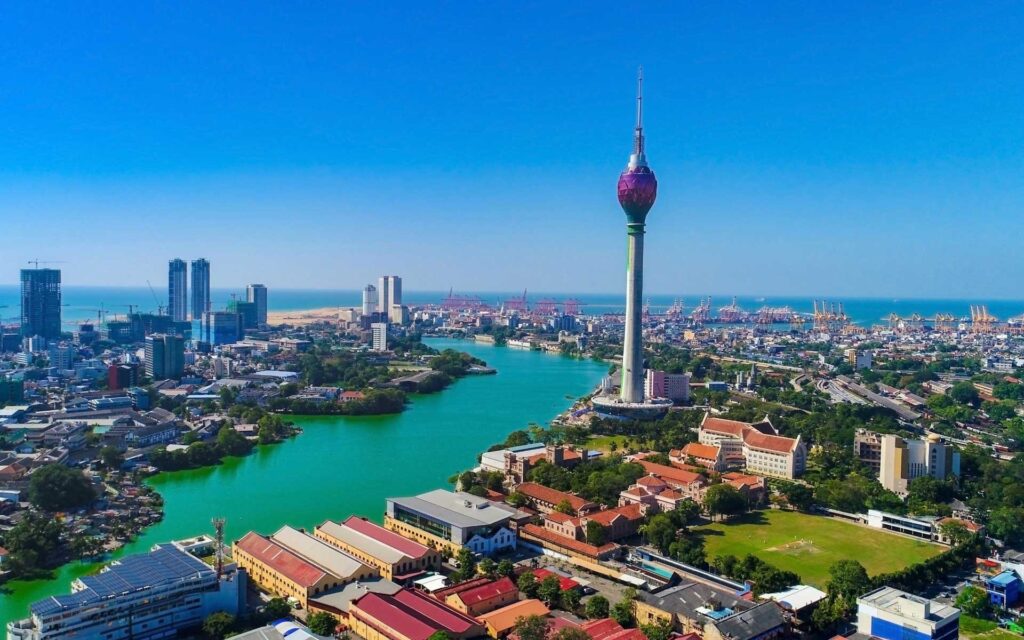
Colombo, the bustling capital of Sri Lanka, offers a mix of old-world charm and modern attractions. From stunning temples to colonial buildings, the city has something for everyone.
Visitors can explore historic sites, relax on beaches, and sample delicious local cuisine.
Colombo’s top attractions include the Gangaramaya Temple, National Museum, and Galle Face Green promenade. These spots showcase the city’s rich culture and history. The Pettah Market is perfect for those who want to experience local life and shop for unique souvenirs.
For nature lovers, the Colombo Zoo and Viharamahadevi Park provide green spaces within the urban landscape. Food enthusiasts can enjoy street food tours or dine at upscale restaurants serving Sri Lankan and international dishes.
With so much to see and do, Colombo promises an exciting adventure for all types of travelers.
Exploring the Heart of Colombo: Things to Do in Colombo
Colombo’s central area offers a mix of history, culture, and modern attractions. Visitors can explore colonial architecture, vibrant markets, and serene temples within a compact area.
Colombo Fort
Colombo Fort is the city’s historic core. Once a walled enclosure, it now houses government buildings and businesses. Old and new blend here, with colonial structures next to skyscrapers.
The area boasts several landmarks. The Old Parliament Building stands out with its neo-classical style. Nearby, the Central Bank building offers a stark contrast with its modern design.
Travelers can take a walking tour to see these sights. The President’s House and Gordon Gardens provide glimpses into Sri Lanka’s colonial past.
Clock Tower, a former lighthouse, serves as a meeting point. It’s a good place to start exploring the area.
Pettah Floating Market
Pettah Floating Market adds a unique touch to Colombo’s shopping scene. It’s not actually on water, but its design mimics floating structures.
The market features small shops in a row of connected buildings. Visitors can find local crafts, clothes, and souvenirs here. Fresh produce and spices fill the air with enticing aromas.
Bargaining is common, so shoppers should be ready to negotiate. The market gets busy, especially on weekends.
It’s a great place to experience local life and find unique gifts. Food stalls offer tasty Sri Lankan snacks for hungry shoppers.
Gangaramaya Temple
Gangaramaya Temple is one of Colombo’s most important Buddhist sites. It blends Sri Lankan, Thai, Indian, and Chinese architecture styles.
The temple complex includes several buildings. The main temple houses numerous Buddha statues and intricate artwork. A museum displays religious artifacts and gifts from devotees.
Visitors can observe monks in prayer or meditation. The Bodhi tree in the courtyard is a focal point for worship.
The temple hosts the grand Navam Perahera festival each February. Colorful processions with dancers and decorated elephants fill the streets.
Remember to dress modestly and remove shoes before entering sacred areas. The temple welcomes visitors of all backgrounds.
Cultural and Historical Attractions
Colombo is home to many important cultural and historical sites. These places offer a glimpse into Sri Lanka’s rich past and diverse heritage.
National Museum
The National Museum is Sri Lanka’s largest museum. It houses many ancient artifacts. The building itself is a beautiful example of colonial architecture.
Inside, visitors can see stone sculptures from ancient kingdoms. There are also exhibits on natural history and anthropology. The crown jewels of the last kings of Kandy are on display here.
The museum has a large collection of masks and puppets used in traditional rituals. These items show the artistic skills of Sri Lankan craftsmen.
Old City Hall
Old City Hall is a landmark in Colombo’s Fort area. It was built in the early 1900s and shows off British colonial style.
The building has a clock tower and a large dome. Inside, there are old photographs and documents about Colombo’s history.
Visitors can see the old council chambers where city decisions were made. The hall gives a sense of how Colombo was run in the past.
Independence Memorial Hall
Independence Memorial Hall marks Sri Lanka’s freedom from British rule. It was built in 1948 to celebrate the country’s independence.
The hall’s design is based on a royal court from ancient Sri Lanka. It has rows of stone pillars and a central pavilion.
Around the hall are statues of lions, a symbol of Sri Lankan strength. The site often hosts national day celebrations and cultural events.
Kelaniya Raja Maha Vihara
Kelaniya Raja Maha Vihara is an important Buddhist temple near Colombo. It is said to be on a spot where Buddha once visited.
The temple is known for its beautiful paintings and sculptures. These artworks show scenes from Buddha’s life and Sri Lankan history.
Visitors can see monks praying and people making offerings. The temple is very active, especially during full moon days.
Many locals come here to pray and take part in religious events. It’s a good place to learn about Sri Lankan Buddhism and art.
Recreational Spots and Green Spaces
Colombo offers several peaceful green spaces for relaxation and outdoor activities. These areas provide a refreshing break from the city’s busy streets and allow visitors to enjoy nature.
Viharamahadevi Park
Viharamahadevi Park is Colombo’s largest public park. It features wide lawns, shady trees, and colorful flower gardens.
Visitors can enjoy walking paths, a small zoo, and a children’s playground. The park has several statues, including one of Queen Victoria.
On weekends, families often come for picnics and to let kids play. The park also hosts occasional outdoor events and concerts.
Galle Face Green
Galle Face Green is a popular oceanfront promenade. It offers stunning views of the Indian Ocean and cool sea breezes.
People come here to fly kites, play cricket, or simply relax on the grass. The area is known for its street food vendors selling tasty snacks.
At sunset, the Green fills with locals and tourists enjoying the colorful sky. It’s a great spot for people-watching and experiencing local life.
Nuga Gama
Nuga Gama is a unique green space in the heart of Colombo. It recreates a traditional Sri Lankan village setting.
Visitors can walk through lush gardens and see local plants and trees. The area includes a small pond and rustic huts.
Nuga Gama offers a peaceful retreat from the city. It’s a good place to learn about Sri Lankan rural life and traditions.
Shopping and Marketplaces
Colombo offers diverse shopping options, from historic sites turned retail hubs to colorful markets near iconic landmarks. Visitors can find unique souvenirs, local crafts, and modern goods in these bustling areas.
Dutch Hospital Shopping Precinct
The Dutch Hospital Shopping Precinct is a popular spot for shopping in Colombo. This restored colonial building now houses boutique shops, cafes, and restaurants.
Shoppers can find:
Local designer clothing
Handmade jewelry
Traditional Sri Lankan crafts
Spices and teas
The precinct’s charming architecture adds to the shopping experience. Its central courtyard is perfect for relaxing between purchases. Many stores offer high-quality items, making it a great place to buy gifts or souvenirs.
Jami-ul-Alfar Mosque
While not a shopping destination itself, the Jami-ul-Alfar Mosque is near bustling market areas. This striking red and white mosque is a landmark in Pettah, Colombo’s main bazaar district.
The streets around the mosque are filled with:
Textile shops
Spice vendors
Fresh produce stalls
Electronics stores
Shoppers can find bargains on everyday items and unique local goods. The area gets crowded, so it’s best to visit early in the day. Visitors should dress modestly out of respect for the nearby mosque.
Things to Do in Colombo: Cuisine and Culinary Experiences
Colombo offers a rich tapestry of flavors and dining experiences. From high-end hotels to street food stalls, the city caters to all tastes and budgets.
Galle Face Hotel High Tea
The Galle Face Hotel is a must-visit for those seeking a refined culinary experience. Their high tea is a beloved tradition that dates back to colonial times.
Guests can enjoy a variety of teas, finger sandwiches, and pastries while taking in stunning ocean views. The hotel’s terrace provides a perfect setting for this elegant affair.
The high tea menu features both Western and Sri Lankan treats. Scones with clotted cream sit alongside local delicacies like fish cutlets and egg hoppers.
Reservations are recommended, especially during peak tourist seasons. The experience typically lasts about two hours, making it an ideal afternoon activity.
Traditional Sri Lankan Cuisine
Colombo’s food scene is dominated by flavorful Sri Lankan dishes. Rice and curry form the backbone of local cuisine, with a variety of side dishes adding depth and complexity.
Street food tours offer an excellent way to sample local flavors. Popular items include kottu roti, which is made with chopped flatbread and vegetables. Another favorite is isso wade, spicy lentil fritters topped with prawns.
Many restaurants also serve traditional rice and curry. This typically includes a mound of rice surrounded by smaller portions of various curries and accompaniments.
Seafood is abundant in Colombo’s coastal setting. Crab curry and fish ambul thiyal are local specialties worth trying.
Many eateries offer cooking classes, allowing visitors to learn the art of Sri Lankan cuisine firsthand. These classes often include a trip to a local market to select fresh ingredients.
Guided Tours and Excursions: Things to Do in Colombo
Colombo offers many tour options for visitors to explore the city and beyond. These range from short tuk tuk rides to full-day excursions. Guided tours provide a great way to learn about local culture and history.
City and Tuk Tuk Tours
Tuk tuk tours are a popular way to see Colombo. These three-wheeled vehicles zip through traffic, allowing visitors to cover more ground. Many tours last 3-4 hours and visit key sites like the Clock Tower and markets.
City walking tours are also available. These often focus on colonial architecture or food. Half-day bus tours can reach farther attractions like temples on the outskirts of town.
For evening exploration, some companies offer night tuk tuk rides. These showcase Colombo’s lit-up landmarks and bustling nightlife areas.
Day Trips to Kandy and Galle: Things to Do in Colombo
Kandy and Galle make great day trip options from Colombo. Kandy, the cultural capital, is about 3-4 hours away by car. Most tours include visits to the Temple of the Tooth and Peradeniya Botanical Gardens.
Multi-day tours are available for those wanting a deeper look at these cities. These often include hotel stays and more in-depth sightseeing.
Private Sightseeing Opportunities
Private tours allow for a customized Colombo experience. Visitors can choose their own itinerary and pace. Many tour companies offer English-speaking guides who share local insights.
Popular private tour spots include Pettah Market, Gangaramaya Temple, and Galle Face Green. Some tours focus on specific interests like architecture or food.
For those short on time, providers offer airport layover tours. These brief trips give a quick taste of Colombo between flights.
Booking private tours is easy through online platforms. Reviews from past travelers can help in choosing a reputable guide.
Historic Hotels and Accommodation
Colombo boasts iconic hotels steeped in history. These grand establishments offer luxurious stays and glimpses into the city’s colonial past. Guests can enjoy modern amenities while surrounded by classic architecture and timeless elegance.
Grand Oriental Hotel
The Grand Oriental Hotel, built in 1837, stands as one of Colombo’s oldest hotels. Its prime location in the Fort area offers stunning harbor views. The hotel’s architecture blends colonial and modern styles.
Guest rooms feature antique furnishings and contemporary comforts. The hotel’s restaurants serve both local and international cuisines. Its rooftop bar provides panoramic city vistas.
The Grand Oriental has hosted many notable figures throughout its history. Its walls display photographs and memorabilia from past events. Bookings are available for those seeking a taste of old-world charm.
Galle Face Hotel
The Galle Face Hotel, opened in 1864, is a landmark on Colombo’s seafront. Its Victorian-era architecture and manicured lawns create a regal atmosphere. The hotel faces the Indian Ocean, offering breathtaking sunset views.
Rooms and suites combine period decor with modern luxuries. Guests can enjoy multiple dining options, including beachfront restaurants. The hotel’s spa and pool provide relaxation after exploring the city.
The Galle Face Hotel has a museum showcasing its rich history. It has welcomed royalty, celebrities, and world leaders over the years. The hotel’s afternoon tea is a popular tradition among visitors and locals alike.
Further Afield: Excursions Outside Colombo
Colombo serves as an excellent base for exploring Sri Lanka’s cultural treasures and natural wonders. Visitors can embark on exciting day trips to discover ancient temples and awe-inspiring fortresses.
Temple of the Sacred Tooth Relic
The Temple of the Sacred Tooth Relic in Kandy is a must-visit destination. This sacred Buddhist site houses a tooth believed to belong to Buddha himself.
The temple’s ornate architecture showcases intricate wood carvings and detailed frescoes. Visitors can witness daily rituals and ceremonies performed by monks.
The best time to visit is during the morning or evening puja ceremonies. These ceremonies offer a glimpse into Sri Lankan Buddhist traditions.
Visitors should dress modestly and remove shoes before entering the temple. The journey from Colombo to Kandy takes about 3-4 hours by car or train.
Sigiriya Rock Fortress
Sigiriya Rock Fortress is an ancient palace and fortress complex perched atop a massive column of rock. This UNESCO World Heritage site dates back to the 5th century.
Visitors can climb to the summit via a series of staircases. The ascent offers stunning views of the surrounding landscape and ancient water gardens.
The site is famous for its colorful frescoes of celestial nymphs. These well-preserved paintings adorn the rock face.
At the top, explorers can see the remains of the ancient palace and enjoy panoramic views. The climb can be challenging, so it’s best to start early in the morning to avoid the heat.
Sigiriya is about a 4-hour drive from Colombo. Many tour operators offer day trips to this iconic landmark.
Frequently Asked Questions
Colombo offers diverse attractions and experiences for various types of visitors. From historical sites to family-friendly activities, the city caters to different interests and preferences.
What are the top attractions to visit in Colombo?
Colombo’s top attractions include the Gangaramaya Temple, a stunning Buddhist complex. The Galle Face Green, a seaside promenade, is perfect for evening strolls and street food.
The National Museum showcases Sri Lankan history and culture. Visitors can also explore the vibrant Pettah Market for a taste of local life.
Can you suggest activities for families with children in Colombo?
Families can enjoy the Colombo National Zoo, home to various animals and birds. The Viharamahadevi Park offers green spaces and playgrounds for children to run around.
The Planetarium provides an educational experience about space and astronomy. Water parks like Leisure World are great for cooling off on hot days.
What are the best experiences for couples seeking a romantic day out in Colombo?
Couples can take a sunset cruise from the Colombo Harbor for breathtaking views. A romantic dinner at the historic Galle Face Hotel offers a luxurious experience with ocean views.
A couples’ spa treatment at one of the city’s upscale hotels provides relaxation. An evening walk along Galle Face Green can be a peaceful end to the day.
Where should I go to experience Colombo’s nightlife?
The Old Dutch Hospital complex is a popular spot for nightlife. It houses various bars and restaurants in a historic setting.
Colombo’s rooftop bars offer stunning city views and cocktails. Park Street Mews is known for its trendy restaurants and bars with live music.
Are there any one-day itinerary recommendations for a quick visit to Colombo?
Start with a morning visit to Gangaramaya Temple. Then explore the National Museum to learn about Sri Lankan history.
Enjoy lunch at the Old Dutch Hospital. Spend the afternoon shopping in Pettah Market. End the day with a sunset stroll along Galle Face Green.
What unique cultural experiences does Colombo offer to visitors?
Visitors can watch a traditional Kandyan dance performance at cultural centers. Participating in a Sri Lankan cooking class offers insights into local cuisine.
Exploring Hindu temples like Sri Kailawasanathan Swami Devasthanam Kovil provides a glimpse into the city’s religious diversity. The Colombo Fort area showcases colonial architecture and history.
The Civil Aviation Authority of Sri Lanka (CAASL) plays a vital role in Sri Lanka’s aviation sector. It oversees and regulates all civil aviation activities in the country.
The CAASL ensures that Sri Lanka’s airspace is safe, efficient, and follows international standards.
The CAASL was set up under the Civil Aviation Authority of Sri Lanka Act No. 34 of 2002. Its main job is to make sure that aviation in Sri Lanka follows the rules. These rules are set by the International Civil Aviation Organization (ICAO).
The CAASL works hard to keep Sri Lanka’s air transport system running smoothly and safely.
From its head office in Katunayake, the CAASL handles many tasks.
These include giving out licenses, checking aircraft safety, and managing air traffic control. The CAASL also deals with new tech like drones, making sure they are used safely in Sri Lankan airspace.
Regulatory Framework
The Civil Aviation Authority of Sri Lanka operates within a comprehensive regulatory framework. This framework is built on a strong legislative foundation and aligns with international aviation standards.
Legislative Mandate
The Civil Aviation Authority of Sri Lanka (CAASL) gets its power from key pieces of legislation. The Civil Aviation Authority of Sri Lanka Act No. 34 of 2002 created the CAASL. It is the main group that regulates civil aviation in the country.
CAASL – The Civil Aviation Act No. 14 of 2010 further strengthened the CAASL’s authority. This act gives the CAASL broad powers to regulate safety, security, and efficiency in the aviation sector.
Under these laws, the CAASL oversees:
Aircraft registration and airworthiness
Licensing of aviation personnel
Air traffic management
Airport certification
Aviation security measures
Compliance with International Standards
The CAASL ensures Sri Lanka’s civil aviation system meets global standards. It follows the International Standards and Recommended Practices set by the International Civil Aviation Organization (ICAO).
Key areas of compliance include:
Safety management systems
Security Protocols
Environmental protection measures
Air navigation services
The CAASL updates its regulations regularly to align with ICAO standards. This helps maintain Sri Lanka’s status as a safe and efficient aviation hub in South Asia.
Operational Oversight
The Civil Aviation Authority of Sri Lanka (CAASL) conducts rigorous oversight of aviation operations. This includes safety and security measures, as well as certification processes for airlines and airports.
Safety and Security
The CAASL makes aviation safety a top priority. It sets strict standards for aircraft maintenance, pilot training, and air traffic control.
Regular inspections ensure compliance with international safety rules. The authority also monitors weather conditions and issues alerts when needed.
For security, the CAASL works with airports to implement screening procedures. This covers passengers, luggage, and cargo. The goal is to prevent any threats to flights.
Security training is mandatory for all aviation personnel. The CAASL updates these programs to address new risks.
Certification and Service
The CAASL handles certification for all aspects of civil aviation. This includes:
Airlines
Airports
Pilots
Mechanics
Air traffic controllers
To get certified, applicants must meet detailed requirements. The CAASL reviews qualifications, conducts tests, and performs on-site inspections.
For airlines, the certification process covers fleet maintenance, crew training, and operational procedures. Airports must prove they can handle different types of aircraft safely.
The CAASL also oversees aviation services. It regulates ticket pricing and flight schedules. Consumer protection is a key focus, ensuring fair treatment of passengers.
Civil Aviation Authority of Sri Lanka Strategic Initiatives
The Civil Aviation Authority of Sri Lanka has implemented key initiatives to boost aviation and drive national progress. These efforts focus on socio-economic growth and strategic planning for infrastructure development.
Contributions to Socio-Economic Development
The CAASL plays a vital role in Sri Lanka’s economic advancement. It helps create jobs in aviation and related sectors. The authority also supports tourism by ensuring safe air travel to the country.
Working with industry partners is a priority for CAASL. This cooperation leads to better services and more opportunities.
CAASL’s policies aim to make Sri Lanka an aviation hub. This could bring in foreign investment and boost trade. The authority balances growth with safety and environmental concerns.
Infrastructure and Strategic Planning
CAASL guides the expansion of Sri Lanka’s aviation infrastructure. It oversees airport improvements and new developments.
The Civil Aviation Master Plan is a key initiative. This plan sets out long-term goals for the sector. It covers areas like airport capacity, air traffic management, and safety standards.
CAASL also works on the National Sustainable Aviation Environment Policy. This shows a commitment to green growth in aviation. The policy aims to reduce the environmental impact of air travel.
Strategic planning extends to regional airports too. CAASL ensures these projects align with national aviation goals. This balanced approach supports growth across Sri Lanka.
Organizational Excellence
The Civil Aviation Authority of Sri Lanka (CAASL) focuses on two key areas to achieve organizational excellence: human resources and financial management. These pillars support the CAASL’s mission to regulate and develop Sri Lanka’s aviation sector effectively.
Human Resources
The CAASL prioritizes staff development to maintain high standards in aviation regulation. It recruits qualified professionals with expertise in various aviation fields.
The authority offers regular training programs to keep staff updated on industry trends and best practices.
CAASL employees undergo specialized courses in areas like safety oversight, air traffic management, and aviation security. This ensures they can effectively regulate the aviation industry.
The authority also promotes a culture of continuous learning. It encourages staff to attend international workshops and seminars. This exposure helps them bring global best practices to Sri Lanka’s aviation sector.
Financial Management
CAASL maintains strict financial controls to ensure efficient use of resources. It follows transparent budgeting processes and regularly audits its financial statements.
The authority generates revenue through various aviation-related fees and charges.
These include aircraft registration fees, air operator certificate charges, and airport taxes.
CAASL invests in modern technology and infrastructure to improve its regulatory capabilities. It allocates funds for upgrading air traffic control systems and safety monitoring equipment.
The authority also sets aside resources for research and development. This helps CAASL stay ahead of emerging aviation trends and challenges.
Frequently Asked Questions
The Civil Aviation Authority of Sri Lanka handles many important aspects of aviation in the country. People often have questions about contacting them, job opportunities, and regulations.
How can I contact the Civil Aviation Authority of Sri Lanka?
You can reach the Civil Aviation Authority of Sri Lanka through their official website. They provide contact information for different departments and offices.
The main office is located in Katunayake, near Bandaranaike International Airport.
Where can I find job vacancies at the Civil Aviation Authority of Sri Lanka?
Job openings at the Civil Aviation Authority are usually posted on their official website. They may also advertise positions in local newspapers or job portals.
Interested candidates should check the careers section of the CAA website regularly for updates.
What are the primary responsibilities of the Civil Aviation Authority of Sri Lanka?
The Civil Aviation Authority of Sri Lanka regulates the aviation industry in the country. They ensure safety standards are met and develop the aviation sector.
Key duties include licensing pilots, certifying aircraft, and overseeing airport operations.
Who currently holds the position of director of civil aviation in Sri Lanka?
The director of civil aviation in Sri Lanka changes periodically. For the most up-to-date information, it’s best to check the official CAA website or recent news articles.
This position oversees the operations of the Civil Aviation Authority.
What is the difference between the Civil Aviation Authority and the Ministry of Aviation in Sri Lanka?
The Civil Aviation Authority is a statutory board under the Ministry of Tourism and Aviation. The CAA handles day-to-day regulation of aviation.
The Ministry of Aviation sets broader policies and oversees the entire aviation sector in Sri Lanka.
Are there any regulations on bringing drones into Sri Lanka?
Sri Lanka has specific rules for bringing drones into the country. Travellers need to get permission from the Civil Aviation Authority before importing drones.
The CAA website provides details on the required documents and procedures for drone imports.