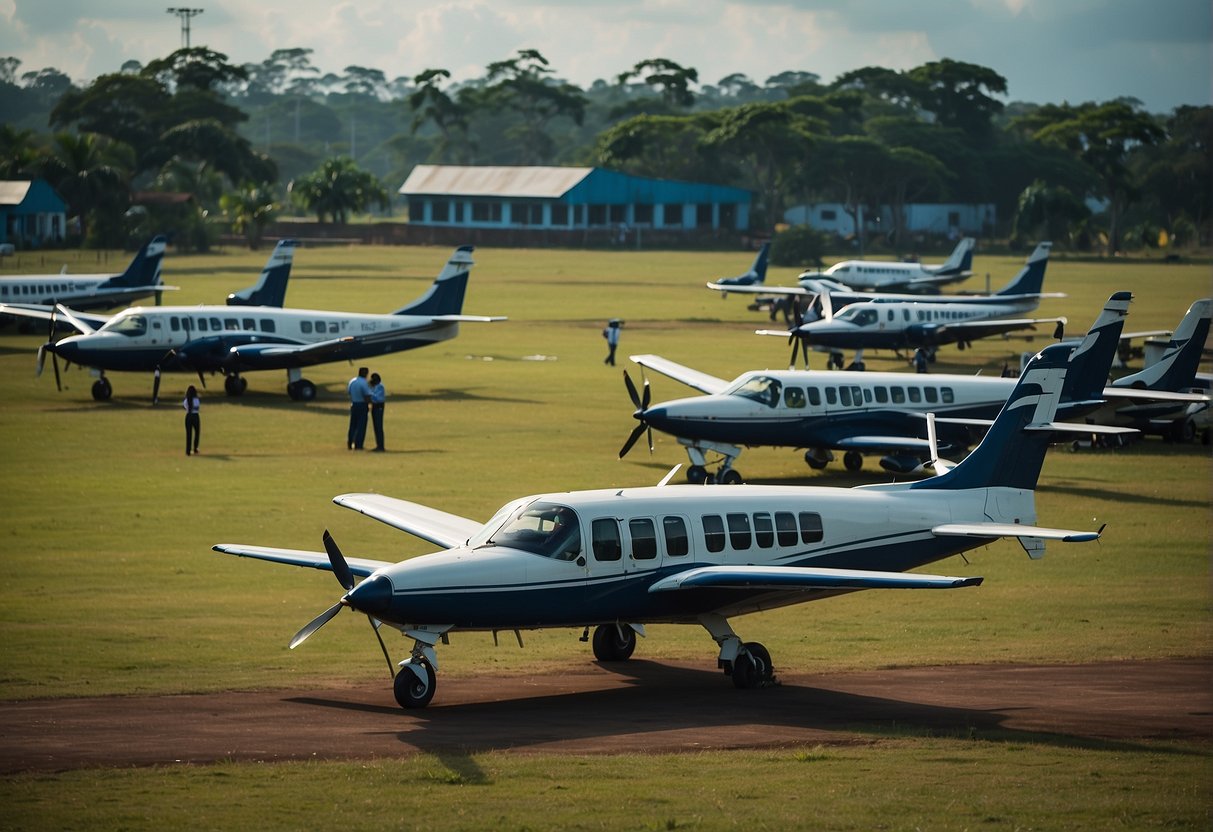
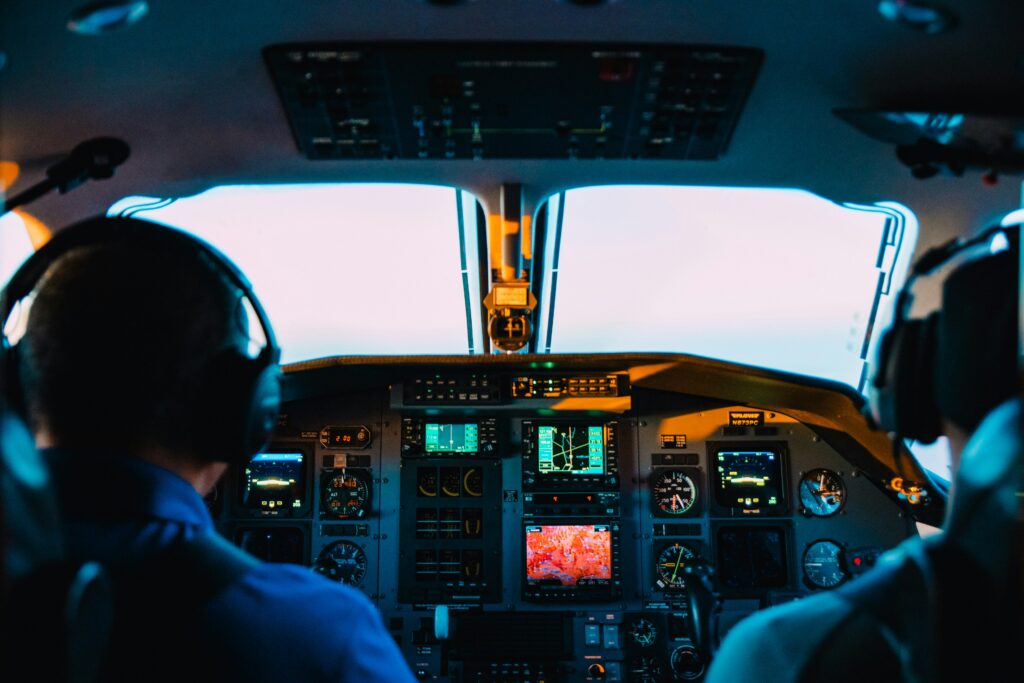
Aviation schools in Sri Lanka are carving a niche for aspiring aviators. They provide them with the skills and knowledge essential for careers in the sky. Sri Lanka is positioned as a strategic hub in the South Asian region. It offers a unique advantage for aviation training. This advantage comes from its blend of experienced instructors, modern facilities, and a diverse flight environment. These institutions are committed to fostering the next generation of pilots, aircraft engineers, and aeronautics professionals.
The SriLankan Aviation College plays a pivotal role in the country’s aviation education landscape, offering internationally recognized qualifications and training programs. Other key players include the Red Bird Aviation Flight Training Academy and the Millennium College of Aviation Studies (MCAS), each contributing to a comprehensive educational structure that ensures students are industry-ready upon their graduation. These colleges emphasize a balanced approach, combining theoretical knowledge with practical experience to meet international aviation standards.
Sri Lanka, an established aviation training hub, invites global students to benefit from its high-calibre training programs. The Asian Aviation Centre stands as the island’s oldest operational flying school, emphasizing its long-established record in the industry. Students go through tough training to become skilled, responsible, and knowledgeable aviation professionals. They are ready to take to the skies with confidence.
Overview of Aviation Schools in Sri Lanka
Sri Lanka is home to several respected aviation schools that cater to the diverse needs of the aviation industry. SriLankan Aviation College is a Regional Training Partner and Authorized Training Center. It is a well-known school that trains professionals for SriLankan Airlines and other international companies.
Another important player is the Millennium College of Aviation Studies (MCAS). It offers many aviation programs. MCAS also provides an Aviation Degree. This degree aims to improve aviation education in Sri Lanka. They provide pathways to Masters’ as well, marking them as a pioneer in the field.
The Asian Aviation Centre has two parts: a flight school and an engineering school. They are now called AAC Flight Academy and AAC Engineering Academy. The changes in management have created a more focused approach to flying and engineering in aviation training.
Lastly, Sakurai Aviation is Sri Lanka’s top flying school and domestic airline. It offers efficient and affordable training. Their competitive edge comes from easy payment plans and different study options. These options meet the needs of future aviation professionals.
Each institution adds its own touch to aviation education in Sri Lanka. This ensures that students get a complete education for careers in the skies or in aeronautics.
When evaluating aviation schools in Sri Lanka, prospective students must consider the accreditation and certification status of the institution. These factors determine the recognition and validity of the education provided.
The Millennium College of Aviation Studies (MCAS), for instance, is well-regarded for its range of aviation programs. It is the first and only top Aviation College in Sri Lanka. It offers an Aviation Degree that can lead to master’s programs.
At the SriLankan Aviation College, students have the opportunity to gain an international aviation qualification, which is a significant asset for their career prospects. This institution prides itself on world-class training and accessible international standard accreditations.
Furthermore, the IATA – SriLankan Aviation College is a part of the IATA’s global training partner network. It serves as a Regional Training Partner (RTP) and an Authorized Training Center (ATC). It has a special ATC Authorization Code, IAC, which boosts the credibility of its programs.
School Name
Accreditation
Certification
Millennium College of Aviation Studies
Degree Pathways to Masters
Local and international recognition
SriLankan Aviation College
IATA Training Partner Network
ATC Authorization Code: IAC
Accreditations and affiliations with respected organizations show a school’s commitment to education standards. They are also important for the global recognition of the qualifications given to students.
Types of Pilot Training Programs in Aviation Schools
In Sri Lanka, future pilots can earn different licenses through pilot training programs. Each program has its own requirements and goals. These programs are designed to cater to different career aspirations in the field of aviation.
Private Pilot License (PPL)
A Private Pilot License in Sri Lanka equips individuals with the essential skills to operate light single-engine aircraft. The program focuses on basic aviation principles, flight operation, and navigation. Students learn under visual flight rules (VFR) and upon completion, can carry passengers but cannot charge for their services.
Commercial Pilot License (CPL)
The Commercial Pilot License program lays the foundation for a professional flying career. It includes advanced flight training, instrument flight rules (IFR) education, and cross-country flying experience. Graduates can operate aircraft for compensation and are eligible for diverse aviation industry employment opportunities, from charter flights to cargo flying.
Airline Transport Pilot License (ATPL)
Obtaining an Airline Transport Pilot License (ATPL) is the pinnacle of pilot training. It allows for the highest level of aircraft command. ATPL certification requires extensive flight experience and knowledge. License-holders are authorized to serve as pilot-in-command on scheduled airline flights. ATPL holders meet the criteria for flying large, multi-crew aircraft internationally. They are essentially qualified for the most senior pilot positions offered by airlines.
Curriculum and Course Structure: Aviation Schools in Sri Lanka
The curriculum at aviation schools in Sri Lanka is carefully designed. It prepares students for a successful career in aviation. The course structure generally combines theoretical knowledge with practical experience to ensure a comprehensive learning experience.
Ground School Training forms the fundamental part of the curriculum where students are introduced to subjects like:
The flight training part usually includes a set number of flying hours. During this time, students get hands-on experience flying aircraft. Sakurai Aviation outlines costs for aircraft usage and associated enrollment fees, reflecting the practical elements of their training modules.
Most institutions provide a range of programs from beginner to advanced levels, including:
Private Pilot License (PPL)
Commercial Pilot License (CPL)
Airline Transport Pilot License (ATPL)
The Asian Aviation Centre is one of the oldest flight schools in the country. It has Approved Training Organization (ATO) status. The center offers programs that follow the guidelines of the Civil Aviation Authority of Sri Lanka.
Flight schools like SriLankan Aviation College emphasize international qualifications, equipping students with globally recognized credentials to advance their aviation careers.
Courses are structured incrementally, enabling students to build upon foundational knowledge and skills, progressing to advanced levels and specialized aviation areas.
Admission Requirements: Aviation Schools in Sri Lanka
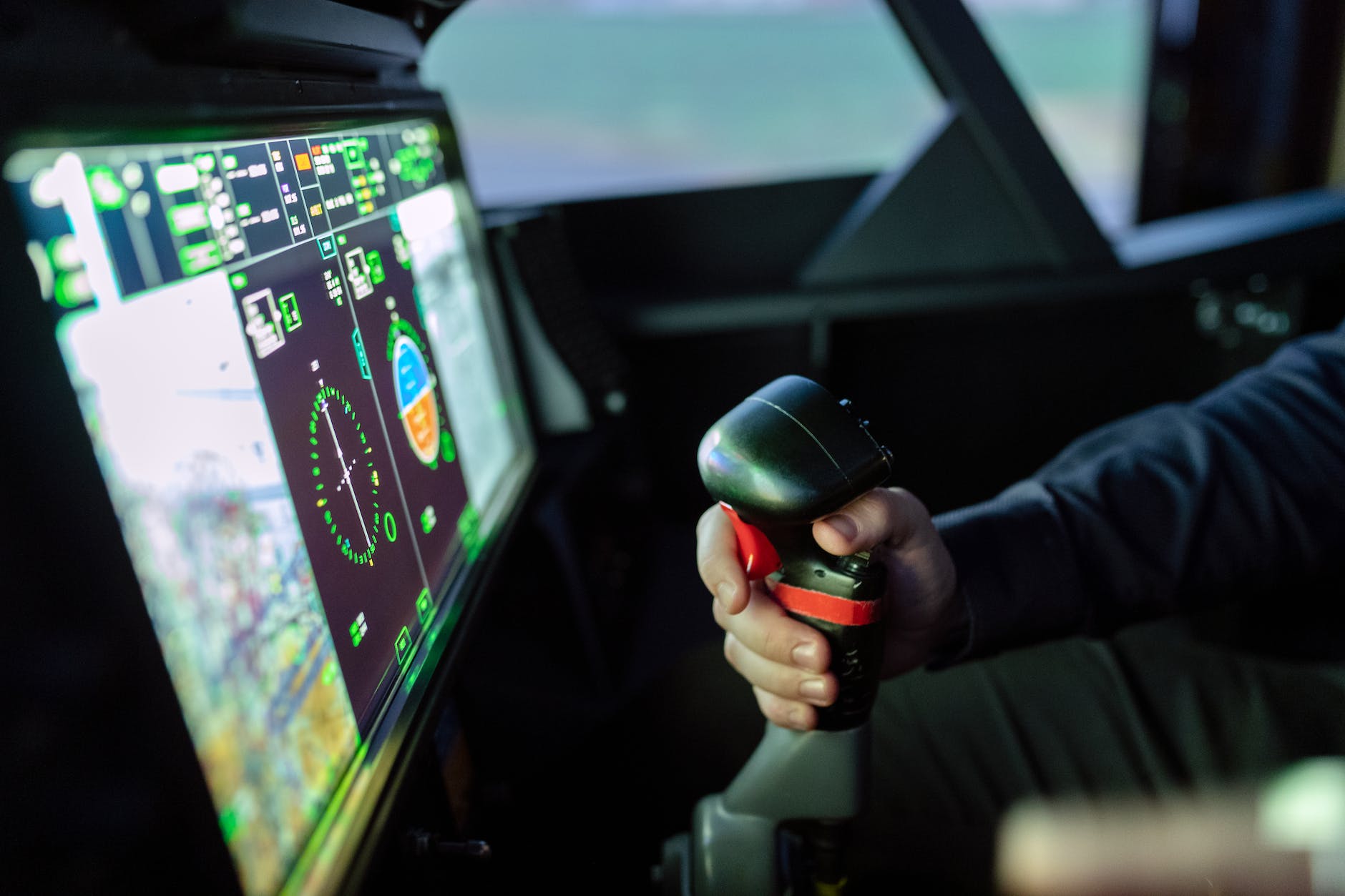
Photo by ThisIsEngineering on Pexels.com
Admission requirements for aviation schools in Sri Lanka vary depending on the program and level of study. The SriLankan Aviation College is a well-known school in this field. It explains a process that usually begins with choosing a course. This course should match the candidate’s current academic or professional level.
Prospective students must generally meet the following criteria:
Educational Background: A high school diploma or equivalent qualification is usually required for entry-level courses. Advanced programs may require further aviation-related certifications or degrees.
Age: Candidates must often be of a certain age, which can vary from one institution to another. For pilot training programs, the minimum age is usually 17 years old.
Medical Fitness: A medical certificate confirming the applicant’s fitness for aviation training is crucial, especially for pilot candidates.
Language Requirements:
English Proficiency: Proficiency in English is essential, as it is the international language of aviation. Applicants may need to demonstrate their competency through standardized English language tests or interviews.
Here is a concise breakdown of the typical requirements:
Requirement
Detail
Educational Qualification
High school diploma/equivalent, aviation-related certifications for advanced courses
Age
Minimum age (varies by program, usually 17 for pilots)
Medical Certificate
Required to ensure fitness for aviation training
Language Proficiency
English fluency proven by tests or interviews
It’s advisable for candidates to check with the specific aviation institution, such as the Millennium College of Aviation Studies, for any additional prerequisites before applying.
Facilities and Equipment: Aviation Schools in Sri Lanka
Aviation schools in Sri Lanka have many facilities and tools. They offer complete training for future aviation professionals. At the Department of Aviation | CINEC, students benefit from a Part 147 maintenance training organization approved by the Civil Aviation Authority of Sri Lanka (CAASL). Their main feature is the hands-on training on a Pressurized Lear Jet Aircraft. This training is important for getting the Category B1.1 license.
The SriLankan Aviation College promotes itself as offering world-class aviation training with various accreditations and affiliations. They have modern facilities, including flight simulators and comprehensive online resources, that support their training programs. Being linked to the national airline also provides students with real-world insights into airline operations.
Asian Aviation Centre operates a flying training school with an emphasis on ab initio flight training. Their facilities help students from their first training flights to the end of exams. These exams are run by the Director General of Civil Aviation of Sri Lanka.
At Millennium College of Aviation Studies (MCAS), the institution prides itself on taking aviation education to greater heights, with an array of aviation programs and pathways to aviation degrees and even master’s degrees.
Ravana Aviation Academy provides professional aviation education and training with a focus on foundational aviation knowledge. They claim a well-structured approach to training future pilots with a robust understanding of all relevant aviation subjects.
In summary, aviation schools in Sri Lanka have the right facilities and modern equipment. They are ready to train the next generation of aviation professionals. Their commitment to giving both practical and theoretical knowledge helps students get ready for their future careers in aviation.
Faculty and Instructors: Aviation Schools in Sri Lanka
The aviation schools in Sri Lanka, such as the SriLankan Aviation College and Asian Aviation Centre, employ faculty members with a wealth of experience in various sectors of the aviation industry. The instructors often come with backgrounds that include airport operations, flight training, and aviation management.
SriLankan Aviation College uses the knowledge of experienced aviation professionals. These instructors share their skills to help train the next generation of aviation workers. They give students a strong understanding of the industry.
Qualifications: Instructors typically hold advanced qualifications in their respective fields, ensuring they are well-equipped to train aspiring aviation professionals.
Experience: Many of the faculty members have worked for major airlines and possess significant industry experience.
Asian Aviation Centre recognizes the importance of hands-on experience. The faculty here are known for their practical approach to teaching:
Flight Training: Experienced pilots provide ab initio flight training.
Ground School: Experts in aviation theory prepare students for Directorate General of Civil Aviation exams.
At the Millennium College of Aviation Studies, faculty members like Ranjith Attanayakege bring over 40 years of industry experience to the classroom. They make sure that courses cover technical skills. They also explore the details of training administration and managing people.
Instructor Profiles:
Expertise: Faculty often have more than 30 years of multi-national industry experience.
Roles: Instructors have been involved in a wide array of aviation disciplines, from flying training to flight operations management.
These institutions work to keep their curriculum up to date with the fast-changing aviation industry. They provide students with the knowledge they need to succeed in a competitive field.
Aviation Schools Safety and Maintenance Training
In Sri Lanka’s robust aviation education landscape, safety and maintenance training is paramount. Institutions like the CINEC Campus rigorously prepare students with EASA (European Aviation Safety Agency) compliant syllabi, emphasizing the multifaceted nature of aircraft maintenance. Their programs are designed to meet strict standards set by the Civil Aviation Authority of Sri Lanka (CAASL). This requires a complete four-year training period for aircraft maintenance engineers.
Another key player is the SriLankan Aviation College, which has bolstered its reputation by becoming an IATA (International Air Transport Association) Regional Training Partner. This institution offers specialized courses, including Safety Management Systems (SMS) for Maintenance and Repair Operations.
Aviation safety courses focus on proactive strategies to manage and mitigate risks inherent in aviation operations. The emphasis is on creating a safety culture that integrates well with technical expertise.
These institutions are not only training skilled technicians. They are also developing leaders in aviation safety. This ensures that every flight operation meets the highest standards of maintenance and care.
Pilot: Many people want to become pilots. There are different types, like private pilots and commercial airline pilots. Each requires specific training and certifications.
Aircraft Maintenance Engineer: Another critical role is ensuring aircraft are safe and well-maintained. This position is detail-oriented and crucial for the aviation sector.
Air Traffic Controller: Managing the flow of aircraft in and out of airspace is a high-stakes, rewarding career. Professionals are required to be decisive and have excellent communication skills.
Aviation Management:If you like the business side of aviation, there are jobs available. You can work in operations management, airline finance, or human resources. These positions can be found at airports or airlines.
Flight Attendant: Individuals in this role are responsible for passenger safety and comfort. It demands exceptional interpersonal skills and the ability to manage in-flight situations.
Opportunities Abroad: Training in Sri Lanka can also open global doors in aviation, as it’s an industry-recognized worldwide.
Career Role
Description
Pilot
Navigation of aircraft and passenger transport.
Aircraft Maintenance Engineer
Maintenance and repair of aircraft systems.
Air Traffic Controller
Control and regulation of air traffic.
Aviation Management
Supervisory roles in the business side of aviation.
Flight Attendant
Ensuring passenger safety and service.
Candidates should note these careers require adherence to international and local regulations. They may also open up travel opportunities and provide challenging, yet rewarding professional experiences.
Cost and Financial Aid: Aviation Schools in Sri Lanka
When thinking about enrolling in Sri Lankan aviation schools, students should look closely at the costs of their program. Many institutions like Sakurai Aviation provide a detailed breakdown of expenses, reflecting both tuition fees and additional costs, which can amount to a significant investment. It is common for fees to be shown in local currency (LKR). This helps students know what to expect for their financial commitments during their courses.
Tuition Fees and Additional Costs:
Application Fee
Tuition for various stages of training
Examination Fees
Equipment and Supplies
Some aviation colleges offer financial support and scholarships to students who qualify. They may extend help through different financial aid programs designed to ease the burden of educational expenses. For example, SriLankan Aviation College offers a range of programs and may have financial aid options for eligible students.
Students should reach out to the admissions offices of their schools. They can get the latest information on scholarships, bursaries, and payment plans. These offices can provide up-to-date details on available financial assistance options.
Key Financial Aid Considerations:
Scholarship Availability
Eligibility Criteria
Application Process and Deadlines
Repayment Terms (if any)
Aviation education demands a substantial financial investment. Students can manage the cost of aviation training by doing research and planning their finances. They can also use available financial aid programs.
Student Support Services: Aviation Schools in Sri Lanka
Student support services play a crucial role in the success of pupils at aviation schools in Sri Lanka. At the SriLankan Aviation College, students are provided with a Student Portal which serves as a hub for academic resources, enabling them to manage their studies and access course materials efficiently.
The support services extend beyond just educational resources. Students receive hands-on experience which is invaluable in the aviation industry. This ensures that learners acquire practical skills essential for their future careers. Furthermore, these institutions often have a strong customer focus, offering individual guidance to foster professional development.
To assist students aiming for a pilot career, academies like Red Bird Aviation outline clear missions and visions that focus on educating and guiding students to become industry leaders. Their approach involves team leadership development, aiming to help students soar to great heights in aviation.
In line with comprehensive educational support, the Millennium College of Aviation Studies (MCAS) in Sri Lanka is distinguished for providing a wide range of programmes. These courses are designed to create aviation professionals equipped with both academic knowledge and practical skills.
Lastly, the Civil Aviation Authority of Sri Lanka plays a supportive role by providing oversight and assistance concerning Student Pilot Licenses, ensuring aspiring pilots meet all necessary requirements to advance in their training.
Alumni Networks and Associations
In Sri Lanka, several alumni networks and associations are integral to the educational fabric, particularly in aviation. Notable among these is the Aeronautical Society of Rahula College, which has made significant strides in making aviation knowledge accessible. They have hosted a successful online series covering topics such as Military Flying Operations and Aeronautical Engineering.
The American Alumni Association (AAA) of Sri Lanka also plays a crucial role. The AAA was founded in 1988. It helps Sri Lankans who want to pursue higher education in the United States. They support both current students abroad and returnees, enhancing the knowledge transfer in various fields including aviation.
Another prominent group is the Aeronautics Society of the Royal College, recognized nationally for fostering interest in aviation among students. They have built connections with the Sri Lanka Air Force and local groups. This helps strengthen unity in the industry.
Private educational institutions like Stafford International School promote aviation through their dedicated Aviation Club, impacting the private school sector.
These organizations work together to create a network. This network helps both alumni and current students who want to succeed in the aviation industry. They assist in providing resources, mentorship, and opportunities for professional development, maintaining Sri Lanka’s standards in aviation education and practice.
FAQS: Aviation Schools in Sri Lanka
NNavigating Sri Lanka’s aviation education landscape involves understanding prominent institutions and the variety of pilot training programs. It also requires comprehending the financial commitments associated with these career paths. This section addresses some common inquiries prospective students may have when considering aviation as a career.
What are the leading aviation training institutions in Sri Lanka?
Sri Lanka boasts several recognized aviation training institutions, including the SriLankan Aviation College, which offers a range of programs and stands as part of the national carrier’s training division. Another notable institution is Sakurai Aviation, which is known as Sri Lanka’s Premier Flying School & Domestic Airline.
What types of courses are offered by aviation colleges in Sri Lanka?
Colleges in Sri Lanka offer varied courses from private pilot to commercial pilot licenses, and even up to airline transport pilot licenses. There are special courses for aircraft maintenance and aviation management. These courses help people choose different careers in the field.
What is the estimated cost for pilot training programs in Sri Lanka?
The cost of pilot training in Sri Lanka can vary widely depending on the level of certification and institution. A comprehensive breakdown of costs is typically provided upon inquiry at individual schools, ensuring transparent financial planning for aspiring pilots.
How can one enrol in an aviation school in Sri Lanka?
Enrollment steps can be found on official websites or by contacting schools directly. The Civil Aviation Authority of Sri Lanka also lists approved flying training organizations, which can be a starting point for those looking to enter aviation training programs.
What is the price range for obtaining a Private Pilot License in Sri Lanka?
Getting a Private Pilot License in Sri Lanka costs a lot of money. The price can change based on factors like how fast you train, how often you fly, and which flight school you choose. Prospective pilots should contact schools directly for specific fees and payment options.
Are there specific requirements for aircraft engineering courses in Sri Lankan aviation schools?
Many aviation schools have different entry requirements. However, a good background in math and physics is usually needed for aircraft engineering courses. Detailed admission criteria can be acquired from the schools directly or from resources provided by the Civil Aviation Authority of Sri Lanka.
Sri Lanka’s aviation sector is a key part of its transportation system. It helps with travel and tourism and plays an important role in the country’s economy. The country’s main gateway is the Bandaranaike International Airport, located in Katunayake, which services millions of passengers annually. As the main international airport, it connects Sri Lanka to the world. It offers many services, including passenger handling and cargo.
Airport and Aviation Services, a state-owned company, manages and oversees airports in Sri Lanka. This organization ensures that the standards for airport services and aviation safety are met, in line with international regulations. Additionally, the Civil Aviation Authority of Sri Lanka governs the industry’s regulatory framework, working to fortify the country’s aviation safety and operational efficacy. This comprehensive system aims at fostering a secure and customer-centric air travel environment.
With the expansion of aviation facilities, Sri Lanka sees a steady increase in its connectivity to regional and international destinations. The country is home to the Mattala Rajapaksa International Airport. It is the second international airport in southern Sri Lanka. This airport helps grow air transportation in the region. The network of airports and the ongoing efforts to enhance aviation services reflect the nation’s commitment to becoming a key player in the global aviation map.
History of Aviation in Sri Lanka
Aviation in Sri Lanka began in the early 20th century. On December 7, 1912, the islands’ skies witnessed the first flight. Frenchmen Georges Verminck and Marc Pourpre achieved this using a Bleriot aircraft at the Colombo Race Course grounds. This event set the stage for the future of Sri Lankan aviation.
Later milestones include the establishment of the Aerodrome at Ratmalana in 1936. It included facilities for an emerging Aero Club of Ceylon to offer public flight opportunities. This foundational period also saw the publishing of the First Air Navigation Regulations in 1937. The registration of the first aircraft bearing the Ceylon mark also occurred during this time.
Sri Lanka’s main international gateway, Bandaranaike International Airport, plays a crucial role in the nation’s aviation sector. It is administered by the Airport and Aviation Services (Sri Lanka) Ltd. It serves as the hub for SriLankan Airlines, the national carrier which reflects the island’s modern aviation identity.
Throughout its history, Sri Lanka has made significant strides in aviation. This is shown by the landing of an Airbus A380-800 by Emirates at Bandaranaike International Airport in January 2012. This marked a first for the country’s aviation industry.
Sri Lanka’s aviation story is a blend of history, developments, and modern achievements. It continues to evolve, underscoring the nation’s progress in this dynamic field.
Major Airports in Sri Lanka
Sri Lanka has both international and domestic airports. These airports are important hubs for business and tourism on the island.
The Bandaranaike International Airport is the premier international gateway into Sri Lanka, located in the capital city of Colombo. It operates as the main hub for the national carrier, SriLankan Airlines, and accommodates millions of passengers annually. The airport has multiple terminals and handles both passenger and cargo traffic efficiently.
Mattala Rajapaksa International Airport
Mattala Rajapaksa International Airport, situated in the southern province, is known to be the country’s second international airport. Even though it serves fewer passengers than Bandaranaike, it is important for diversifying Sri Lanka’s aviation options.
Ratmalana Airport
Once the primary airport serving Colombo, Ratmalana Airport has transitioned to focus mainly on domestic flights and aviation training. Its location in a suburb of Colombo makes it accessible for local air travel.
Other Domestic Airports
Sri Lanka boasts several other domestic airports, which cater to internal air travel and connect the various regions. These airports are smaller but essential for facilitating quick and convenient travel within the country. A few notable ones include Jaffna Airport and Batticaloa Airport, which are integral to the domestic airline network.
Airline Operators in Sri Lanka
Sri Lanka’s airline industry has many operators. This includes the national flag carrier and private charter services. They provide connections both internationally and within the island.
SriLankan Airlines
SriLankan Airlines is the national flag carrier of Sri Lanka, with a hub at Bandaranaike International Airport. They commenced operations in 1979 and offer a range of international flights across Asia, Europe, and the Middle East.
Cinnamon Air
Cinnamon Air, operating out of Bandaranaike International Airport and the Water’s Edge seaplane base, offers premium domestic services. They provide convenient options for travelers seeking to explore the island’s diverse landscapes.
Other Airline Services
Several other airlines also operate in Sri Lanka including budget carriers and charter services. List of airlines of Sri Lanka provides comprehensive insights into various airlines with their respective hubs and operations date.
Civil Aviation Authority of Sri Lanka
The Civil Aviation Authority of Sri Lanka (CAASL) is responsible for civil aviation in Sri Lanka. They ensure that it is safe and secure. It works under the Ministry of Civil Aviation. It sets standards and checks compliance in the nation’s airspace.
Key responsibilities of the CAASL include:
Regulating Air Transport: This involves overseeing the air transport sector. It includes issuing air operator certificates and monitoring air transport statistics.
Safety Oversight: Implementing safety regulations and conducting audits to ensure compliance with both national and international safety standards.
Environmental Impact: Monitoring and evaluating the environmental impact of aviation activities, including the emissions produced by aircraft.
Drone Regulation: Governing the usage and approval of unmanned aerial systems (drones) within Sri Lanka’s airspace.
As of the latest statistics, there were 6,738,983 passenger movements in and out of Sri Lanka. This included 3,489,842 passengers uplifted and 3,249,141 passengers discharged from January 1, 2023, to November 30, 2023.
For those seeking to operate drones in the country, CAASL provides a clear set of guidelines. Individuals must check if their drone type is approved and, if not, apply for type approval through the CAASL.
The CAASL oversees a wide array of other functions. This includes the Civil Aviation Training Centre in Sri Lanka which is an Approved Training Organization (ATO). This establishment focuses on providing crucial training for Air Traffic Services. It recently commenced an Aerodrome Control training program.
The CAASL aims to maintain a neutral and clear directive. This is to ensure the safe, efficient, and sustainable development of the aviation sector within Sri Lanka.
Airport Security and Safety: Airport and Aviation Sri Lanka
Airport and Aviation Services (Sri Lanka) (Private) Limited is dedicated to maintaining stringent security and safety measures. These are imperative for protecting passengers, staff, and aircraft against potential threats and for ensuring a safe travel environment.
Security Measures
Security screening is a fundamental aspect of airport operations. In accordance with Regulation 19 of the Civil Aviation (Security) Regulations 2008, stringent controls are applied on liquids, aerosols, and gels (LAGs). Passengers travelling through Sri Lankan airports are expected to adhere to specific guidelines pertaining to these items to ensure security compliance.
Safety Protocols
To promote health and safety, numerous precautionary measures are implemented across Sri Lankan airports. These include:
Placement of hand sanitizer stations throughout the premises
Installation of protective Plexiglas at check-in and immigration counters
Conducting thermal temperature screening
Implementation of social distancing markers
All protocols align with the aim of providing a secure and healthy environment for everyone within the airport’s vicinity. Ongoing efforts to enhance airport safety are consistently reviewed and improved upon.
Economic Impact of Airports and Aviation on Sri Lanka
Airports and aviation hold a crucial role in Sri Lanka’s economy. The sector facilitates a significant percentage of the country’s GDP, derived from both air transport and tourism. According to a report by IATA, the aviation industry supports a substantial portion of the nation’s jobs and has the potential for even further growth.
Job Creation & GDP Contribution
The aviation sector directly and indirectly supports employment, contributing to around 700,000 jobs.
Air transport is essential for foreign tourist arrivals, with significant annual spendings bolstering the local economy.
Tourism, largely reliant on aviation, adds to the country’s economic diversification and resilience.
Long-term Potential
Studies show that by 2038, the aviation sector could create over 1 million jobs. It may also add nearly $30 billion to the GDP.
Strategic development plans could further maximize aviation’s role in economic growth and connectivity.
The data highlights how a strong aviation sector helps boost trade, tourism, and economic growth in Sri Lanka. The country’s ongoing investment in aviation infrastructure and policies can greatly improve its economic impact worldwide.
Regulations and Policies in Aviation: Airport and Aviation Sri Lanka
In Sri Lanka, aviation regulations and policies are established to ensure the safety, security, and efficiency of air transport. The Civil Aviation Authority of Sri Lanka (CAASL) is the designated body responsible for overseeing these regulations.
The Air Navigation Regulations of 1955, as amended, lay the foundation for aviation operations within the country. The Civil Aviation Authority enforces these rules. They aim to meet international standards from the International Civil Aviation Organization (ICAO).
Sri Lanka has passed the Air Navigation (Special Provisions) Act No. 55 of 1992. This law focuses on certain parts of civil aviation. Other important laws include the Rome Convention Act No. 17 of 1955 and the Offences Against Aircraft Act No. 24 of 1982. These enactments contribute to the legal framework governing aviation activities.
The country’s commitment to aviation security and safety is further underscored by the National Civil Aviation Policy of Sri Lanka, which was updated in 2016. The policy shows the plan for the aviation sector and its expected growth. It highlights how important this sector is to the national economy.
Key regulatory documents include:
Air Navigation (Special Provisions) Act
Air Navigation Regulations
Rome Convention Act
Offenses Against Aircraft Act
We always work to make sure that national rules match international agreements. This helps keep air travel safe and secure.
Flight Operations: Airport and Aviation Sri Lanka
Flight operations in Sri Lanka are a critical component of the country’s aviation sector, encompassing commercial flights, cargo operations, and general aviation services. These operations are governed by established regulations to ensure safety and efficiency.
Commercial Flights
Commercial flights in Sri Lanka mainly operate from Bandaranaike International Airport. SriLankan Airlines is the main airline. These flights connect Sri Lanka to various destinations across the globe, facilitating both passenger travel and tourism. The schedules and operations follow international standards. They aim to provide reliable and comfortable services for passengers.
Cargo Operations
Cargo operations in Sri Lanka involve the transport of goods via air freight. The Bandaranaike International Airport and Mattala Rajapaksa International Airport play pivotal roles in handling cargo, which includes perishables, textiles, and electronics. These airports have the right facilities to handle cargo well. This ensures that cargo is processed quickly and safely.
General Aviation
General aviation in Sri Lanka includes many non-commercial flight activities. These activities are private flying, flight training, and aerial work. The SriLankan Aviation College offers programs to train individuals in various aviation disciplines. This sector is important for helping people grow in aviation careers. It also provides special services like air ambulance and surveying operations.
Airport Infrastructure and Development
In Sri Lanka, airport infrastructure is witnessing a significant transformation, tailored to meet the needs of an expanding tourism industry and greater international connectivity. The centerpiece of this development is the Bandaranaike International Airport Terminal 2, which represents a $550 million investment.
Construction Phases:
Phase I: Preparatory work and design.
Phase II: Main construction; expected to have been completed by December 2023.
The new terminal is a project by Airport and Aviation Services (Sri Lanka) Limited. It aims to help with the growing number of passengers, which is important for Sri Lanka’s economic growth. It began construction in December 2020, and upon completion, is set to significantly increase the annual passenger capacity.
Key Features of Terminal 2:
Increased passenger throughput
Enhanced safety and security measures
Modern facilities and comforts
The International Air Transport Association (IATA) has also called for a plan for aviation in Sri Lanka. This plan would help the country grow economically and strengthen its aviation industry. Such strategic planning underscores the importance of aviation connectivity as a driver for prosperity.
Sri Lanka is working on projects to become an important aviation hub in the region. The emphasis on infrastructure reflects the nation’s commitment to elevating its status in the global aviation landscape.
Challenges Facing Sri Lanka’s Aviation Sector
Sri Lanka’s aviation sector has been grappling with significant challenges that affect its growth and sustainability:
Infrastructure Constraints: Limited airport capacity and the need for modernization hinder the scalability of operations.
Economic Instability: Fluctuations in the country’s economy, coupled with currency depreciation, impact airline revenue and operational costs.
Regulatory Hurdles: Strict and sometimes outdated regulations can stifle innovation and efficiency within the aviation industry.
Human Resource Issues: The sector has a talent shortage. There are not enough skilled aviation professionals to meet industry needs.
External Shocks: Unpredictable events, such as the COVID-19 pandemic, have caused big drops in air travel. This has disrupted the stability of the industry.
Sri Lanka’s aviation industry faces global economic pressures and rising competition. This highlights the need for a clear strategy to tackle these challenges.
For more information about the pandemic’s impact, visit the International Air Transport Association. They discuss the importance of a strong aviation plan. You can also see the performance of SriLankan Airlines during these tough times.
Environmental Considerations
In Sri Lanka, the aviation industry is making concerted efforts to address environmental concerns. With the Civil Aviation Authority of Sri Lanka outlining that the burning of one kilogram of fuel is linked to the emission of approximately 3.16 kilograms of CO2, the pressure to mitigate aviation’s environmental impact is significant.
The Environmental Impact Assessment (EIA) process in Sri Lanka is important for understanding the effects of aviation projects. This includes the building of the Mattala Rajapakse International Airport. Reports show that, despite these efforts, the airport has struggled to reach its expected success. This indicates a gap between what was assessed and the real results after the impact.
Sustainable aviation fuels (SAF) are expected to play a pivotal part in reducing the carbon footprint of the industry. Sri Lanka’s sustainable aviation environment policy includes a vision for net zero carbon emissions from aviation by 2050. IATA has highlighted the imperative for accessible sustainable aviation fuels in the country.
The aviation sector’s sustainability efforts show a commitment to the United Nations’ Sustainable Development Goals. They aim to balance development with caring for the environment. For example, the focus is increasingly on measures such as:
Use of SAF
Improvement in Energy Efficiency
Investment in Green Airport Infrastructure
These initiatives represent Sri Lanka’s proactive approach to creating a more sustainable future for its aviation industry.
Future of Aviation in Sri Lanka
Sri Lanka’s aviation industry stands on the cusp of a transformative phase. A plan for growth has been a key focus. The International Air Transport Association (IATA) supports this strategic plan. This blueprint aims to enhance economic growth and expand the aviation sector’s capabilities. Given the sector’s reported profits, standing at a robust Rs. 22 billion from January to August 2023, its expansion is imminent and reflects a positive outlook.
The development of Bandaranaike International Airport Terminal 2 is a significant milestone in this journey. The multi-level terminal will sprawl over an area of approximately 180,000m², signaling a leap in infrastructure modernization. Moreover, this expansion is expected to bolster the country’s connectivity with international markets, which is integral to the nation’s broader economic development.
Key initiatives for the upcoming period include:
Investing in Infrastructure: To sustain growth and manage increased traffic.
Enhancing Air Connectivity: Developing routes that support tourism and trade.
Adopting New Technologies: Improving operational efficiency and customer experience.
Focusing on Sustainability: Meeting environmental targets alongside growth.
They believe that Sri Lanka’s aviation sector will help the economy grow. It will also support the country’s progress.
Frequently Asked Questions
This section answers common questions about airports in Sri Lanka. It also covers jobs with Airport and Aviation Services. Additionally, it provides details about aviation operations in the country.
What are the major airports in Sri Lanka and their facilities?
Sri Lanka’s main airport is Bandaranaike International Airport. It, along with Mattala Rajapaksa International Airport, has many facilities. These include lounges and dining options.
How can one apply for a job with Airport and Aviation Services in Sri Lanka?
To apply for a job with Airport and Aviation Services, visit the official website. Check for current job openings and follow the application instructions.
Where is the Bandaranaike International Airport located, and what are its contact details?
The Bandaranaike International Airport is in Katunayake. It is the main hub for Sri Lankan Airlines. You can reach them through their Flight Inquiry numbers on their official website.
What are the current vacancies at Airport and Aviation Services Sri Lanka and the application process?
The latest job openings and application procedures for Airport and Aviation Services Sri Lanka are on their careers page. Applicants can find the necessary forms and guidelines for submission there.
Who currently holds the position of chairman of Airport Aviation Services in Sri Lanka?
You can find the chairman of Airport Aviation Services Sri Lanka on their official website. The site shows current executive positions and profiles.
How many airlines operate in Sri Lanka and what destinations do they cover?
Many airlines operate in Sri Lanka. They cover a range of destinations both within the country and abroad. This shows how well-connected Sri Lanka is to major cities around the world.
Sri Lanka has made a bold move to boost its tourism industry. Starting October 1, 2024, the island nation will offer visa-free access to citizens from 35 countries.
Malaysia
Netherlands
Poland
Singapore
Spain
Nepal
New Zealand
Qatar
Slovenia
Sweden
Oman
Russia
Saudi Arabia
Switzerland
Thailand
Turkey
Ukraine
United Arab Emirates
United Kingdom
United States
Vietnam
Azerbaijan
Bangladesh
Belarus
Belgium
Bulgaria
Cambodia
Canada
China
Denmark
Egypt
France
Germany
India
Indonesia
This new policy aims to attract more visitors and help Sri Lanka reach its target of 2.3 million tourists by 2024.
The list of countries granted visa-free entry includes major nations like the UK, USA, Canada, Germany, Australia, and Japan.
This initiative will last for six months, giving travelers a unique opportunity to explore Sri Lanka’s rich culture and natural beauty without the hassle of obtaining a visa.
The Sri Lanka Tourism Development Authority sees this as a game-changing strategy to compete with other regional destinations.
By removing visa barriers, Sri Lanka hopes to position itself as a more accessible and appealing travel destination for international tourists.
This move could significantly impact the country’s economy and local communities that rely on tourism.
Overview of Visa Policies
Sri Lanka has implemented new visa policies to make travel easier. These changes include visa-free access for certain countries and updates to the e-visa system.
This list covers a wide range of countries, making travel to Sri Lanka easier for many people.
E-Visa and Visa on Arrival
While the e-visa system is currently suspended, it’s expected to return in the future. When active, it allows travelers to apply for visas online before their trip.
Visa on arrival has been used recently due to issues with the e-visa system. This option may still be available for some travelers, depending on their country of origin.
Travelers should check the latest information before their trip. Visa policies can change, so it’s important to stay updated on the current rules.
Entry Requirements and Travel Documents
Sri Lanka has specific rules for travelers entering the country. Visitors need to know about required papers and current rules.
Documentation for Visa-Free Entry
To enter Sri Lanka without a visa, travelers must have a valid passport. The passport needs to be good for at least 6 months after the planned arrival date.
Visitors should also have proof of return or onward travel.
Some countries may need to show a vaccination record. It’s smart to check the latest health rules before the trip.
Travelers should fill out an arrival card. This card asks for basic info like name, passport number, and where they’ll stay in Sri Lanka.
Travel Restrictions and Regulations
Sri Lanka has added 38 countries to its visa-free list. Visitors from these places can stay for up to 30 days.
There might be limits on bringing in certain items. Things like drugs, weapons, and some foods are not allowed.
Sri Lanka may change its entry rules quickly. Travelers should check for updates right before their trip.
Some areas of Sri Lanka may have travel warnings. Visitors should look up any safety notices for the places they plan to go.
Visa-Free Access Dates and Duration
Sri Lanka’s new visa-free policy has specific start dates and stay durations. This change aims to boost tourism and simplify travel for visitors from certain countries.
Starting Date of Visa-Free Policy
The visa-free access to Sri Lanka begins on October 1, 2024. This date marks the start of a new era in Sri Lankan tourism policy.
Travelers from 35 countries can enter without a visa from this day forward. The government chose this date to allow time for implementation and to align with the tourism season.
Some countries may have different start dates. Visitors should check the official Sri Lankan immigration website for the most up-to-date information about their specific country.
The 30-day period starts from the date of entry into Sri Lanka. Visitors must leave the country before their 30 days are up.
For longer stays, travelers may need to apply for a visa extension. Extension procedures and fees may vary. It’s best to check with local immigration offices for details.
The visa-free policy is set to last for six months, ending in April 2025. After this trial period, the government will review its impact and decide on future policies.
Country-Specific Visa Information
Sri Lanka’s new visa policies affect travelers from different countries in unique ways. The rules vary based on nationality, with some getting more benefits than others.
Information for Indian Citizens
Indian citizens can now travel to Sri Lanka visa-free starting October 1, 2024. This change lasts for six months. Indian travelers don’t need to apply for a visa before their trip.
They can stay in Sri Lanka for up to 30 days. This new rule makes travel easier and cheaper for Indian tourists. It also helps business trips between the two countries.
Indian visitors still need a valid passport. They should check its expiry date before traveling. The passport must be valid for at least six months beyond the planned stay.
Information for United Kingdom and United States
Citizens from the UK and US also get visa-free access to Sri Lanka. This starts on October 1, 2024, and lasts for six months.
Travelers from these countries can enter without a pre-arranged visa.
The stay limit is 30 days for both UK and US citizens. This applies to tourism and short business trips. For longer stays, different rules may apply.
Travelers should bring:
A valid passport
Return tickets
Proof of funds for their stay
Special Considerations for China and Japan
Chinese and Japanese citizens are included in Sri Lanka’s new visa-free policy. They can enter without a visa from October 1, 2024, for six months.
The 30-day stay limit applies to both countries.
Chinese and Japanese travelers should note that their passport must be valid for at least six months. They may also need to show hotel bookings and proof of funds at entry.
This policy aims to boost tourism from these key Asian markets. It makes Sri Lanka more accessible for Chinese and Japanese visitors.
Sri Lanka’s Tourism Sector Insight: Sri Lanka Visa Free Countries
Sri Lanka’s tourism sector is experiencing significant changes. The country is taking steps to boost visitor numbers and showcase its diverse attractions.
Impact on Tourist Arrivals
Sri Lanka aims to increase tourist arrivals through a new visa-free program. This initiative covers 35 countries and runs from October 2024 to April 2025.
The program targets major nations like the UK, USA, Canada, and China.
Tourism plays a key role in Sri Lanka’s economy. In the first half of 2024, the sector generated over $1.5 billion. The visa-free policy is expected to further boost these numbers.
The government hopes this move will make Sri Lanka more appealing as a holiday destination. It comes at a crucial time, just before the winter booking season.
Promoting Wildlife and Cultural Destinations
Sri Lanka’s tourism strategy focuses on its unique wildlife and rich cultural heritage. The country boasts diverse ecosystems, from lush rainforests to pristine beaches.
Wildlife safaris in national parks like Yala and Udawalawe are popular attractions. Visitors can spot elephants, leopards, and various bird species in their natural habitats.
Cultural sites also draw many tourists. The ancient cities of Anuradhapura and Polonnaruwa showcase Sri Lanka’s historical significance. Temples and archaeological ruins offer insights into the country’s Buddhist heritage.
Coastal areas like Mirissa and Trincomalee provide opportunities for whale watching and water sports. These diverse offerings cater to different types of travelers, from adventure seekers to history buffs.
Cost and Financial Aspects
Sri Lanka’s new visa policies aim to make travel more affordable and accessible. The changes affect visa fees and introduce free tourist visas for many countries.
Visa Fee Policies
Sri Lanka typically charges visa fees for most international visitors. The cost varies based on the traveler’s nationality and length of stay.
Short-term tourist visas usually cost between $20 to $40 USD.
Some travelers may qualify for visa fee waivers or discounts. This includes children under 12 and diplomats from certain countries.
E-visas often have lower fees than visas obtained on arrival. Applying online can save money and time at the border.
Initiative for Free Tourist Visas
Sri Lanka announced a new program offering free tourist visas to 35 countries. This starts on October 1, 2024.
The free visa initiative lasts for six months. It allows a 30-day stay without charge.
Key countries included are:
United States
United Kingdom
India
China
Australia
Canada
Germany
This move aims to boost tourism and economic growth. It makes Sri Lanka more competitive with other Asian destinations.
Travelers save $20-$40 per person with this initiative. For families or groups, the savings can be significant.
Comparative Analysis: Sri Lanka Visa Free Countries
Sri Lanka’s new visa-free policy sets it apart from many other countries. This change brings both advantages for travelers and potential benefits for Sri Lanka’s tourism industry.
Comparison with Other Countries’ Visa Policies
Sri Lanka’s visa-free access for 35 countries is a significant shift in its international travel policy. Many popular tourist destinations require visas or have stricter entry requirements.
For example, Thailand offers visa-free travel to citizens of about 65 countries, while India has a more restrictive policy. Sri Lanka’s new approach puts it in line with countries like Malaysia, which offers visa-free entry to citizens of many nations.
The list of countries eligible for visa-free travel to Sri Lanka includes major tourist markets such as the UK, USA, Canada, and Australia. This move aligns Sri Lanka more closely with countries with open visa policies to boost tourism.
Advantages of Visa-Free Travel for Sri Lanka
The visa-free policy offers several benefits for Sri Lanka. It makes the country more attractive to international tourists by simplifying the entry process.
Eliminating the need for a visa reduces both cost and paperwork for travelers. This can lead to:
Increased tourist arrivals
Boost in tourism revenue
Enhanced international relations
The policy may also improve Sri Lanka’s global image as a welcoming destination. It could lead to more spontaneous trips, as travelers can visit without advance planning for visas.
For the tourism industry, this change might result in higher occupancy rates for hotels and increased business for tour operators. It may also encourage longer stays, as visitors won’t be limited by visa durations.
Frequently Asked Questions
Sri Lanka’s visa policies have undergone changes recently. These updates affect both foreign visitors to Sri Lanka and Sri Lankan passport holders traveling abroad.
What are the requirements for visa-free entry into Sri Lanka for foreign nationals?
Starting October 1, 2024, citizens from 35 countries can enter Sri Lanka visa-free for six months. This includes travelers from the UK, USA, Canada, Germany, Australia, and several other nations.
Visitors must have a valid passport and return ticket. They should also show proof of sufficient funds for their stay.
How many countries can Sri Lankan passport holders enter without a visa as of 2024?
Sri Lankan passport holders can visit 26 countries without a visa as of 2024. This includes destinations like Singapore, Madagascar, and Barbados.
Some countries offer visa-on-arrival or electronic travel authorization options for Sri Lankans.
Is there a visa-on-arrival option available for tourists entering Sri Lanka?
Sri Lanka temporarily offered visas on arrival due to issues with its e-Visa system. However, this was a short-term measure.
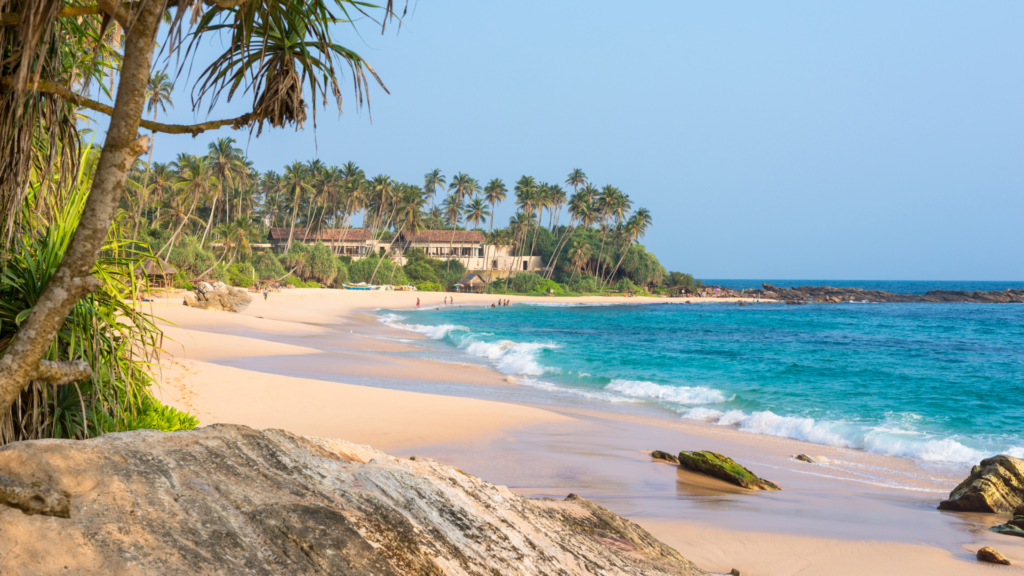
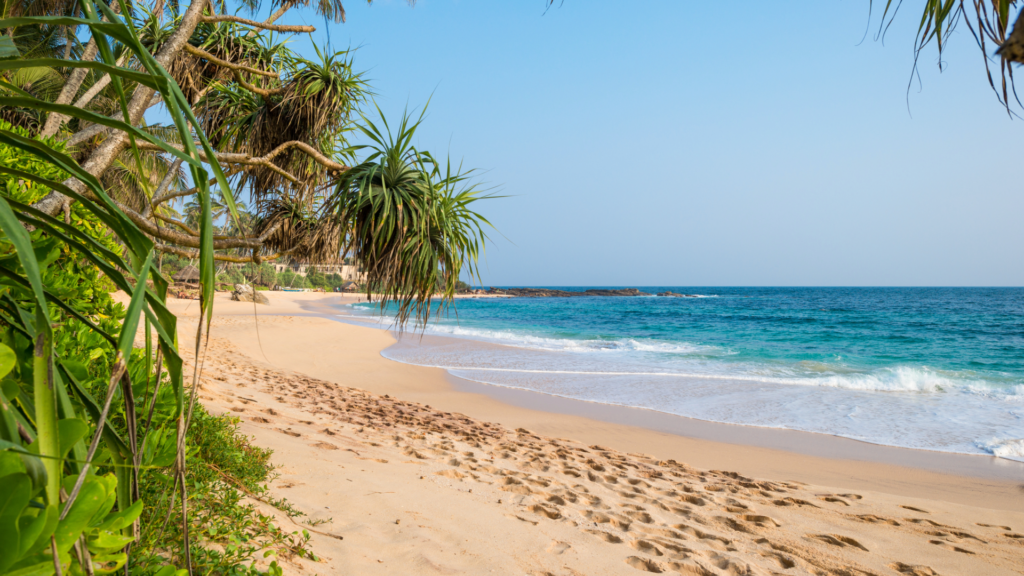
Escape to Sri Lanka’s top-rated beach resorts for a dream vacation. These resorts boast pristine, golden sand beaches that stretch for miles. The crystal-clear turquoise waters invite you to swim, while the sea breeze carries the soothing sound of waves. The resorts are nestled amidst lush, tropical landscapes that showcase Sri Lanka’s biodiversity. From coconut palm groves to rainforests, the resorts blend seamlessly with nature, creating a serene atmosphere for guests to unwind.
Top beach resorts in Sri Lanka offer warm hospitality and luxurious amenities. The staff ensures every guest feels welcome and cared for throughout their stay. The genuine warmth and kindness of the locals will make you feel at home. The resorts provide world-class dining, rejuvenating spa treatments, exciting water sports, and cultural excursions. Whether you’re seeking a romantic getaway, family vacation, or solo retreat, these resorts promise an idyllic getaway that will leave you refreshed and inspired.
1. Amanwella, Sri Lanka – Top Beach Resorts in Sri Lanka
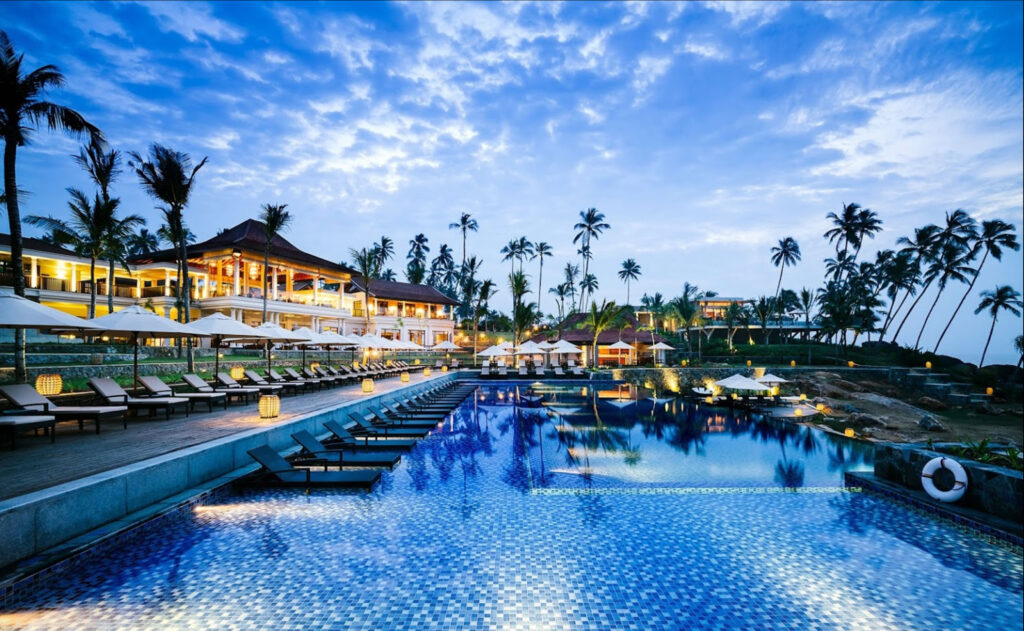
Nestled along the pristine coastline of Sri Lanka, Amanwella stands as a beacon of unparalleled luxury and tranquillity. This exclusive beach resort is a testament to Aman’s renowned commitment to providing guests with an exceptional and immersive experience. Discover the allure of Amanwella, where serenity and sophistication harmonize perfectly. This luxury resort offers a tranquil escape in a breathtaking setting.
Amanwella’s serene ambience invites guests to unwind and relax. The resort’s design seamlessly blends with the natural surroundings, creating a peaceful oasis.
Indulge in the resort’s sophisticated amenities, from the stunning infinity pool to the exquisite dining options. Amanwella caters to discerning travellers seeking the ultimate in luxury and tranquillity.
Experience the enchantment of Amanwella and immerse yourself in its serene atmosphere. This exclusive resort promises an unforgettable getaway in a picture-perfect setting.
Location and Setting:
Perched on a crescent-shaped beach in the charming town of Tangalle, Amanwella is a sanctuary of natural beauty and seclusion. The resort’s design seamlessly integrates with the surrounding landscape, offering breathtaking views of the Indian Ocean and the lush greenery that envelops the property. The gentle sound of the waves and the rustling of palm trees create an ambience of serenity and relaxation, setting the stage for an unforgettable retreat.
Accommodations:
Amanwella’s accommodations are a testament to understated elegance and comfort. The resort features spacious and stylish suites, each with its own private plunge pool and expansive terrace. The minimalist design, natural materials, and open-plan layouts evoke a sense of tranquillity and harmony with the environment, providing guests with a serene and luxurious escape.
Dining and Culinary Experience: At Amanwella, dining is an artful celebration of local flavours and global culinary expertise. The resort’s restaurant offers a delectable array of fresh seafood, locally inspired dishes, and international cuisine, all prepared with the finest ingredients and presented with impeccable attention to detail. Guests can savour their meals against the backdrop of the ocean, creating an unforgettable dining experience that engages all the senses.
Guests can enjoy yoga sessions on the beach and indulgent spa rituals. These experiences allow for immersion in relaxation and renewal.
Expert therapists and practitioners guide guests through a world of rejuvenation at Amanwella. The resort’s wellness offerings cater to those seeking holistic well-being in a serene setting.
Amanwella’s spa and wellness experiences provide the perfect opportunity for guests to unwind and recharge. From traditional healing practices to modern therapies, the resort offers a comprehensive approach to well-being.
Activities and Excursions:
Amanwella provides an array of activities and excursions that allow guests to explore the natural wonders and cultural treasures of Sri Lanka. From guided nature walks and wildlife safaris to cultural tours and water sports, the resort offers a diverse range of experiences that cater to every interest and inclination.
2. Anantara Peace Haven Tangalle Resort – Top Beach Resorts in Sri Lanka
Nestled on the sun-kissed shores of Sri Lanka’s southern coast, the Anantara Peace Haven Tangalle Resort beckons travellers to experience a harmonious blend of luxury, natural beauty, and warm hospitality. This blog invites you to embark on a virtual journey to explore the captivating allure of this idyllic resort, where every moment is infused with tranquillity and indulgence.
Location and Setting:
Anantara Peace Haven Tangalle Resort is set amidst 21 acres of lush, tropical gardens. The resort overlooks the azure waters of the Indian Ocean, embodying serenity and seclusion.
The resort’s design integrates seamlessly with the natural landscape. Panoramic views of the coastline provide an enchanting backdrop for an unforgettable retreat.
Anantara Peace Haven Tangalle boasts a prime location that embodies tranquillity and privacy. The resort’s setting amidst natural beauty creates an ideal escape for relaxation.
Guests at Anantara Peace Haven Tangalle Resort can immerse themselves in the serene surroundings. The resort’s harmonious blend of nature and luxury ensures a memorable stay.
Luxurious Accommodations:
The resort’s luxurious accommodations, including spacious rooms, private villas, and suites, are designed to evoke a sense of contemporary elegance and comfort. Each abode is thoughtfully appointed with modern amenities, private terraces, and captivating ocean or garden views, providing guests with a sanctuary of relaxation and rejuvenation.
Culinary Delights:
Anantara Peace Haven Tangalle Resort is a haven for culinary enthusiasts, offering a diverse array of dining experiences that celebrate the rich flavours of Sri Lankan cuisine and international gastronomy. From beachfront dining at the stunning “Il Mare” to indulgent seafood feasts at “Verala,” guests can savour a symphony of flavours amidst breathtaking settings that elevate every meal into a memorable occasion.
Wellness and Relaxation:
The resort’s award-winning spa, “Anantara Spa,” invites guests to embark on a transformative journey of wellness and rejuvenation. With a range of holistic treatments, wellness rituals, and yoga sessions set against the backdrop of the ocean, guests can immerse themselves in a world of relaxation and renewal, guided by expert therapists and practitioners.
Activities and Experiences:
Anantara Peace Haven Tangalle Resort offers an array of activities and experiences that cater to every interest and inclination. From water sports and cultural excursions to cooking classes and wildlife encounters, the resort provides a diverse range of experiences that allow guests to immerse themselves in the natural wonders and cultural richness of Sri Lanka.
3. Cape Weligama
Cape Weligama, situated on the southern coast of Sri Lanka, is a beacon of unrivalled luxury. The resort boasts breathtaking natural beauty and warm hospitality.
Discover the captivating allure of Cape Weligama, where every moment is infused with elegance and tranquillity. The resort promises an unforgettable escape for discerning travellers.
Cape Weligama’s stunning location on the southern coast of Sri Lanka offers a perfect blend of luxury and natural beauty. Guests can immerse themselves in the serene surroundings and enjoy unparalleled hospitality.
Experience the epitome of luxury at Cape Weligama, where breathtaking vistas and elegant accommodations await. The resort invites you to indulge in a truly unforgettable escape.
Exquisite Setting:
Perched atop a dramatic cliff overlooking the azure waters of the Indian Ocean, Cape Weligama boasts an awe-inspiring setting that seamlessly blends with the surrounding natural landscape. The resort’s design reflects the rich heritage and architectural traditions of Sri Lanka, creating an ambience of timeless elegance and sophistication.
Luxurious Accommodations:
Cape Weligama offers a collection of sumptuous villas and suites, each meticulously designed to provide guests with an unparalleled sense of comfort, privacy, and indulgence. Featuring spacious layouts, private plunge pools, and panoramic ocean views, the accommodations embody the epitome of refined luxury and offer a sanctuary for relaxation and rejuvenation.
Gastronomic Delights:
At Cape Weligama, culinary excellence takes centre stage, with a diverse array of dining experiences that celebrate the rich flavours of Sri Lankan cuisine and international gastronomy. From the iconic “Ocean Terrace” to the intimate “Tableau,” guests can embark on a gastronomic journey that tantalizes the senses amidst stunning coastal vistas.
Wellness and Serenity:
The resort’s “Cape Club” invites guests to immerse themselves in a world of holistic wellness and rejuvenation, offering a range of spa treatments, yoga sessions, and wellness rituals that draw inspiration from ancient healing traditions and modern therapeutic practices. The tranquil surroundings and expert care create an oasis of relaxation and renewal.
Experiential Adventures:
Cape Weligama provides a wealth of experiences that allow guests to explore the natural wonders and cultural treasures of Sri Lanka. From guided excursions to nearby attractions, water sports, and cultural immersions, the resort offers a diverse range of activities that cater to every interest and curiosity.
4. KK Beach, Sri Lanka – Top Beach Resorts in Sri Lanka
KK Beach, a boutique beachfront hotel in Habaraduwa, offers laid-back luxury on Sri Lanka’s southern coast. The resort captivates travellers with its stylish design, gourmet dining, and direct beach access. It provides an intimate retreat with a chic ambience.
The resort’s design integrates with the natural surroundings, creating contemporary elegance and tranquillity. The modern architecture and curated interiors reflect a commitment to a refined and comfortable environment.
Gourmet dining is a highlight at KK Beach. The restaurant serves exquisite dishes using fresh local ingredients and global inspirations. Guests can enjoy stunning ocean views while savouring unforgettable meals.
Direct beach access allows guests to immerse themselves in the coastline’s beauty. They can stroll along the shore, swim in crystal-clear waters, or unwind on the sandy beach.
KK Beach’s chic and sophisticated ambience is evident in its personalized service and thoughtful amenities. Whether seeking relaxation or adventure, KK Beach offers a haven where laid-back luxury meets coastal living, creating unforgettable memories in an idyllic setting.
Summary: Top Beach Resorts in Sri Lanka
1. Amanwella
Nestled along the southern coast of Sri Lanka, Amanwella is a luxurious beachside resort that offers a serene and secluded retreat. Surrounded by palm trees and overlooking the Indian Ocean, this resort provides the perfect setting for a tranquil beach vacation. With its minimalist design, private plunge pools, and impeccable service, Amanwella promises an unforgettable beach experience.
2. Anantara Peace Haven Tangalle Resort
Situated in the charming town of Tangalle, the Anantara Peace Haven Tangalle Resort is a haven for beach lovers. Boasting a picturesque location overlooking the azure waters of the Indian Ocean, this resort offers a range of luxurious accommodations, world-class amenities, and a variety of water sports and wellness activities.
3. Cape Weligama
Perched atop a dramatic cliff overlooking the ocean, Cape Weligama is a breathtaking resort that embodies the essence of Sri Lankan luxury. With its spacious villas, infinity pools, and panoramic views of the coastline, Cape Weligama is the perfect destination for travellers seeking a lavish beach retreat.
4. KK Beach
Located in the vibrant town of Habaraduwa, KK Beach is a boutique beachfront hotel that exudes laid-back luxury. With its stylish design, gourmet dining, and direct access to the beach, this intimate resort offers a chic and sophisticated ambience for discerning travellers.
Whether you’re seeking a romantic getaway, a family vacation, or simply a peaceful escape by the sea, Sri Lanka’s beach resorts offer an unparalleled experience. From pristine beaches and world-class amenities to warm hospitality and breathtaking natural beauty, these resorts provide the perfect backdrop for an unforgettable beach vacation in Sri Lanka.
So pack your bags, slip into your beachwear, and get ready to experience the magic of Sri Lanka’s best beach resorts. Your tropical paradise awaits!
Sri Lanka Embassy Locations: Maintaining diplomatic relations between nations involves establishing embassies and consulates in partner countries to manage various governmental and citizen services. The United States has embassies and consulates from many countries, including Sri Lanka. Sri Lanka is an island in the Indian Ocean. – Sri Lanka has a rich culture and a strong history with the U.S.
The Sri Lankan Embassy in Washington, D.C. is the main diplomatic office for Sri Lanka in the U.S. It helps with diplomatic communication. The embassy also offers consular services. The embassy also provides visa services for people who want to visit Sri Lanka.
In addition to the main embassy, Sri Lanka also maintains other representations across the United States. These include consulates in major cities. They help meet the needs of the Sri Lankan community. They also boost trade, cultural exchanges, and education partnerships. Sri Lanka has a network of missions. This includes the Sri Lanka Embassy in Washington D.C. It also has consulates in Los Angeles, New York, and Houston. These missions help support Sri Lankans living in the U.S. They also strengthen the relationship between Sri Lanka and the United States.
Overview of Sri Lanka Embassies in the United States
The Sri Lankan Embassy in Washington, D.C. is the main office for Sri Lanka in the United States. The mission is responsible for maintaining good relations. It also helps Sri Lankan citizens in the U.S. The head of the mission is the Ambassador of Sri Lanka to the United States. This role is currently held by Mr. Mahinda Samarasinghe.
Contact Information:
Address: Embassy of Sri Lanka, Washington, D.C.
Fax: +1 202 232 7181
Email: Contact via the official embassy website
Office hours are by appointment from Monday to Friday, with closures on Saturday and Sunday.
Services provided include:
Consular services for Sri Lankan nationals
Visa processing for U.S. citizens and residents
Bilateral engagement activities and cultural events
The U.S. Embassy in Sri Lanka supports these efforts. It focuses on the well-being of U.S. citizens in Sri Lanka. It also works to strengthen the relationship between the U.S. and Sri Lanka.
Moreover, economic ties between both nations are significant, with the United States being Sri Lanka’s largest export market. These embassies play a crucial role in bolstering economic, political, and cultural connections, affirming their importance in international relations.
Key Officers:
Ambassador: Mr. Mahinda Samarasinghe
For emergency help, Sri Lankan citizens can contact the embassy using the contact information given. U.S. citizens should call the special lines listed on the U.S. Embassy website.
Sri Lanka Embassy Locations
Sri Lanka has several diplomatic offices in the United States. These offices help Sri Lankans and others who need consular services. These facilities are situated in prominent cities, offering a range of services from visa processing to citizen assistance.
Embassy of Sri Lanka in Washington, D.C.
Embassy of Sri Lanka in Washington, D.C. Address: 3025 Whitehaven St NW, Washington, DC 20008, United States Phone: +1 202-483-4025
This embassy is the main representative of Sri Lanka in the United States. It provides many diplomatic and consular services.
Sir Lanka New York Consulate: Sri Lanka Embassy Locations
Consulate General of Sri Lanka in New York Address: 630 3rd Ave #20, New York, NY 10017, United States Phone: +1 212-986-7040
Sri Lanka Los Angeles Consulate
Consulate General of Sri Lanka in Los Angeles Address: 3250 Wilshire Blvd #1405, Los Angeles, CA 90010, United States Phone: +1 213-263-2646
This consulate connects Sri Lanka with people on the west coast of the United States. It offers services and support to Sri Lankan nationals.
Please note that the information can change. It is a good idea to check the details before visiting or contacting the embassies. For the latest information, check the official website of the Sri Lankan Ministry of Foreign Affairs. You can visit it at http://www.mfa.gov.lk. You can also find details at https://slembassyusa.org/
Consular Services: Sri Lanka Embassy Locations
The embassies and consulates of Sri Lanka in the United States provide many services. These services are for Sri Lankan citizens and foreigners. These services facilitate various legal and civil processes required for international travel and residency.
Passport Services
Sri Lankan diplomatic missions provide comprehensive passport services. This includes the issuance of new passports, renewal of expired ones, and replacement of lost, stolen, or damaged passports. Applicants can acquire detailed requirements and book an appointment through the Embassy of Sri Lanka in Washington, D.C..
Visa Services
For foreign nationals looking to travel to Sri Lanka, the consular offices offer visa services. These range from tourist, and business, to transit visas, among others. Each visa type has specific application guidelines, which can be found on the official embassy website.
Citizenship Services
Citizenship services include the handling of matters such as citizenship registration, dual citizenship applications, and renunciation procedures. Individuals seeking to navigate the process of citizenship must follow the protocol outlined by consular officials.
Notary Services
Notary services are available to authenticate documents such as affidavits, power of attorney, and educational certificates required for legal use in Sri Lanka. The consulates ensure that all documents meet the legal parameters set forth by Sri Lankan law.
Cultural Representation: Sri Lanka Embassy Locations
The Sri Lankan Embassy in Washington D.C. represents the culture of the Sri Lankan community in the United States. This is especially true during the 75th anniversary of Sri Lanka-U.S. diplomatic relations. The event underscored the embassy’s role in showcasing the island nation’s rich heritage through various cultural exhibitions.
Cultural Performances: These shows include traditional dances and music. They help Americans learn about Sri Lanka’s rich culture.
Art Exhibitions: Visual arts, including paintings and sculptures, offer insights into the creativity and history of Sri Lankan civilization.
Cuisine Events: Food is a key part of any culture. Culinary events show visitors the unique flavors and spices of Sri Lankan cooking.
Embassy-led cultural initiatives not only foster a sense of community among expatriates but also promote international understanding. The embassy keeps a calendar of cultural and religious events. This helps strengthen ties by sharing an appreciation for arts and traditions.
Educational workshops and seminars about Sri Lanka’s past and current societal developments provide a platform for dialogue and exchange. These efforts show the embassy’s commitment to honor its roots. They also aim to create a positive cultural exchange with the United States.
Trade and Economic Affairs
The relationship between the United States and Sri Lanka encompasses various aspects, including trade and economic affairs. The United States remains Sri Lanka’s largest trading partner. They work together through the United States – Sri Lanka Trade and Investment Framework Agreement (TIFA). This agreement focuses on trade and investment talks. It also includes the protection of worker rights.
Exports and Imports:
Exports: Sri Lanka’s exports to the U.S. mainly comprise apparel, precious stones, rubber, spices, and tea.
Imports: Conversely, the U.S. exports to Sri Lanka include wheat, lentils, machinery, and medical equipment.
Bilateral Agreements: Sri Lanka has expanded its economic frontiers by signing bilateral agreements with 43 additional countries, which helps facilitate international trade and investment.
In recent years, tax policies have changed. In 2017, Sri Lanka passed an Inland Revenue Act. This act aims to simplify tax rules and attract foreign investment. This act is a pivotal point in Sri Lanka’s efforts to foster a more cohesive fiscal environment.
The U.S. Embassy and the Sri Lankan embassy in Washington D.C. are important for their relationship. They help with economic talks and trade missions that support both countries’ economic interests.
Educational Exchanges
Educational exchange programs between Sri Lanka and the United States are robust conduits for cultural and knowledge sharing. The U.S. Embassy in Sri Lanka often sponsors different exchange programs. These programs aim to strengthen ties through education.
One key program is the Global Undergraduate Exchange Program (Global UGRAD). It offers scholarships for Sri Lankan students to study in the U.S. for one semester. This program is part of a larger effort by the Bureau of Educational and Cultural Affairs. It aims to develop leaders and promote understanding between cultures.
Opportunities for U.S. Citizens include programs for cultural, educational, and professional exchanges. These are provided by the United States Department of State. These programs are designed for U.S. citizens seeking international experience and exposure to Sri Lanka’s rich culture and heritage.
Program Type
Key Objective
Target Participants
Academic and Professional
Enhance skill sets and international networks
Educators and professionals
Cultural and Arts
Promote cultural understanding through arts
Artists and cultural professionals
Furthermore, the United States – Sri Lanka Fulbright Commission facilitates the prestigious Fulbright Program, providing grants for graduate study and research. EducationUSA centers, like the one at the Fulbright Commission, provide resources for Sri Lankan students. These resources help them study in the United States.
These programs show a commitment to promoting education and understanding between the two nations. They highlight the importance of cultural and scholarly exchange.
Bilateral Relations and Diplomacy
The United States and Sri Lanka have sustained a robust diplomatic relationship, anchored in shared democratic values and interests. Key parts of this partnership include: – Economic growth – Sustainable development – Respect for democracy – Human rights The rule of law is important. These shared ideas are the foundation of our partnerships. We use different diplomatic channels to support these connections.
In Washington, DC, Sri Lanka’s Embassy is very important. It helps with diplomatic communication and promotes cultural and economic ties between the two countries. The embassy’s contact information is a key resource for bilateral exchanges:
Address: 3025 Whitehaven Street, Washington, DC 20008
Telephone: 202-483-4025
Sri Lanka has a Consulate General in Los Angeles. This helps the country connect better with people on the West Coast of the United States.
These resident diplomatic missions are instrumental in fostering dialogue and cooperation across a range of sectors. The Fourth Sri Lanka – U.S. Partnership Dialogue took place in Colombo. Both nations showed their commitment to a partnership that benefits them both.
To support and improve these diplomatic relations, the U.S. Department of State identifies key officials. This strengthens the framework of this international alliance.
Frequently Asked Questions: Sri Lanka Embassy Locations
This section gives clear answers to common questions about services from Sri Lankan diplomatic missions in the United States. It covers passport renewal, visa requirements, and contact information.
How can U.S. citizens renew their passport at the Sri Lankan Embassy?
U.S. citizens from Sri Lanka can renew their passport. They should visit the Embassy of Sri Lanka in Washington, D.C. for assistance and forms.
Where can I find the official Sri Lanka Embassy website for information?
For accurate and official information, visit the Embassy of Sri Lanka’s website in Washington, D.C. It has details on services and announcements.
What services does the Sri Lanka Consulate in New York offer?
The Sri Lanka Consulate in New York offers a range of consular services, including visa processing, document authentication, and assistance to Sri Lankan nationals.
Where is the closest Sri Lankan Embassy or Consulate to my location?
How can I contact the Sri Lankan Consulate in Los Angeles for my consular needs?
Individuals can reach out to the Sri Lankan Consulate in Los Angeles through the contact details provided on the Consulate’s official webpage.
Do United States citizens require a visa to travel to Sri Lanka?
U.S. citizens need a visa to travel to Sri Lanka. They can apply online at the official Sri Lanka visa portal. They can also get help at a Sri Lankan Embassy or Consulate.